
By Haruna Ayuba, Abubakar K Monguno and Baba Kura Bukar
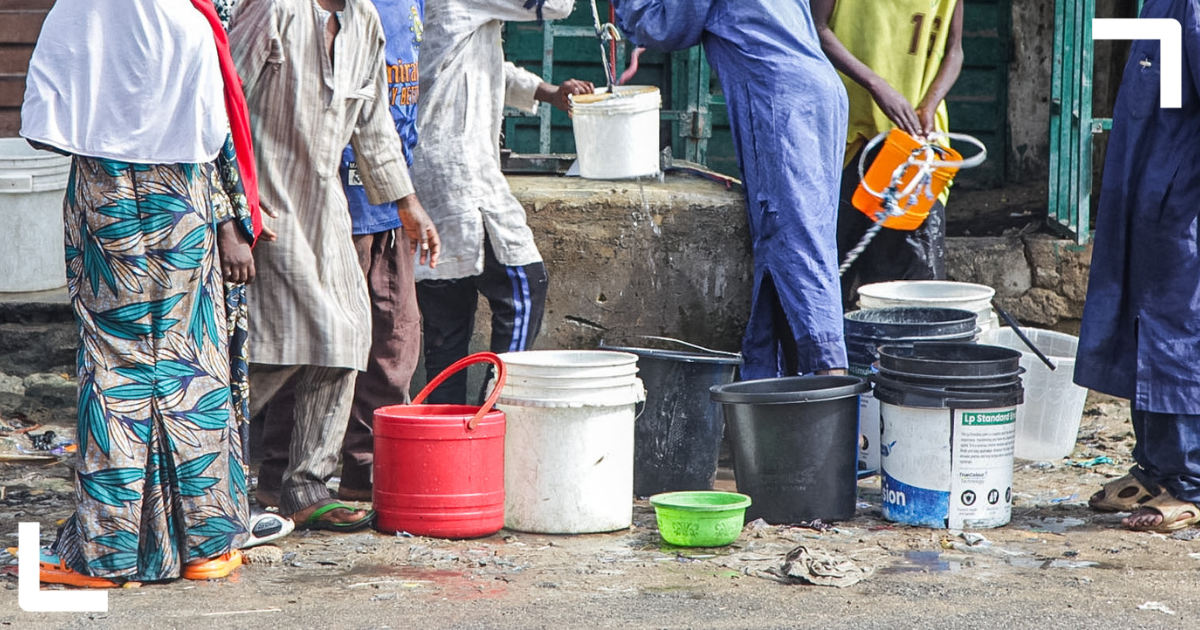
On 4 May, the first case of cholera in 2026 was confirmed in Maiduguri, three days after it was reported. This index case was traced to a water point located in a densely populated informal settlement.
By 8 July, 20,808 cases and 67 fatalities were recorded in the city, representing two-thirds of the state’s caseload (according to the Borno State Ministry of Health Dashboard).
Despite the city’s high cholera burden, the case fatality rate (CFR – percentage of infected people dying from the disease) of 0.65% is low. This makes the 2026 Maiduguri epidemic well below the acceptable World Health Organisation (WHO) standard of 1%. In public health, this is indicative of an epidemic that has been well managed in terms of response and treatment compared to situations in Borno’s hinterland locations like Damboa, where the CFR is as high as 13%.
A glocal response
Several factors are behind these high survival rates, chief among them being the swift, coordinated response from the government, development partners and local communities. Led by the Borno State Ministry of Health, this multistakeholder collaborative effort comprises UN agencies (WHO, UNICEF) and international medical NGOs.
Local organisations have also been part of the response. For instance, the Rehabilitation, Empowerment and Better Health Initiative (REBHI) – ACRC’s action research implementing agency in Maiduguri – played a pivotal role. REBHI supported the Public Health Emergency Operations Centre (PHEOC) with vital infection prevention and control consumables and trained frontline staff on cholera prevention to ensure accurate risk communication reached vulnerable communities.
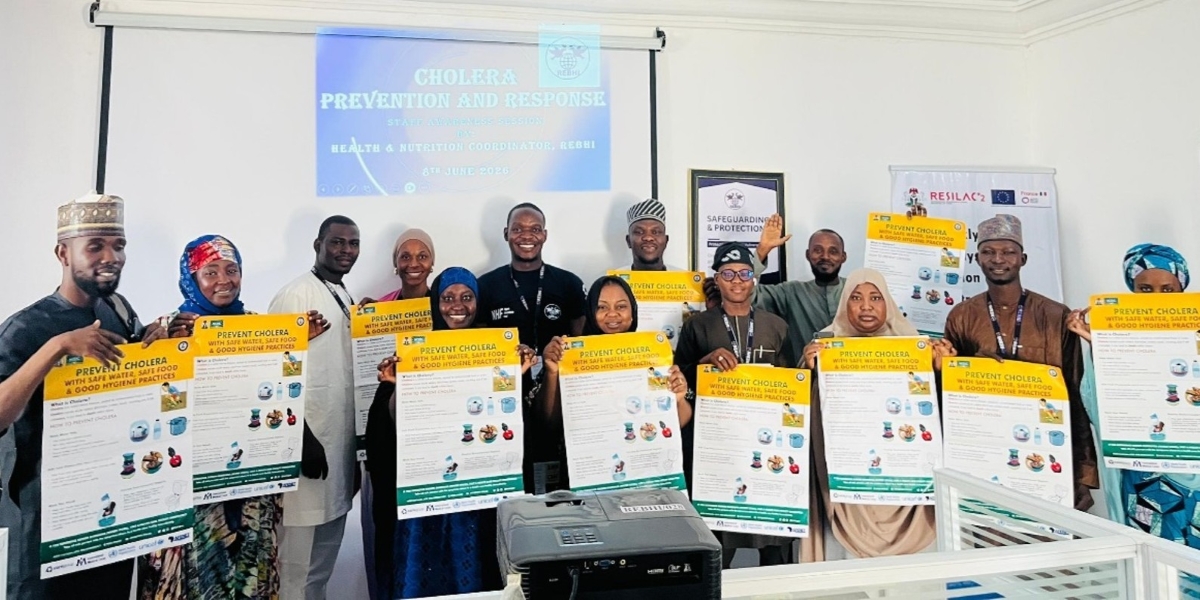
This global and local collaborative effort boosted disease surveillance, expanded treatment centres and decentralised case management. It also established a 24-hour emergency ambulance service with a functional distress hotline and launched massive community awareness campaigns, which included worship centres. Religious organisations also helped by supporting strategic communications activity to share information about preventing cholera.
Cholera recurrence remains a concern
The 2026 epidemic must not be seen as an isolated incident. Previously, the city has been plagued in 2010, 2014, 2015, 2017, 2021 and 2024, which underscores the urgency to address future outbreaks. Records indicate that most of these were concentrated in camps for internally displaced people (IDP), where sanitary conditions are substandard.
A study carried out on flood susceptibility indicated that 73% of the city’s 48,577 IDP population lived in high to very high-risk areas vulnerable to flooding. The present epidemic badly devastated communities with high populations, often those that hosted IDPs after the closure of formal IDP camps in the city in 2021.
Persistent water challenges in Maiduguri
Water shortage is the common denominator
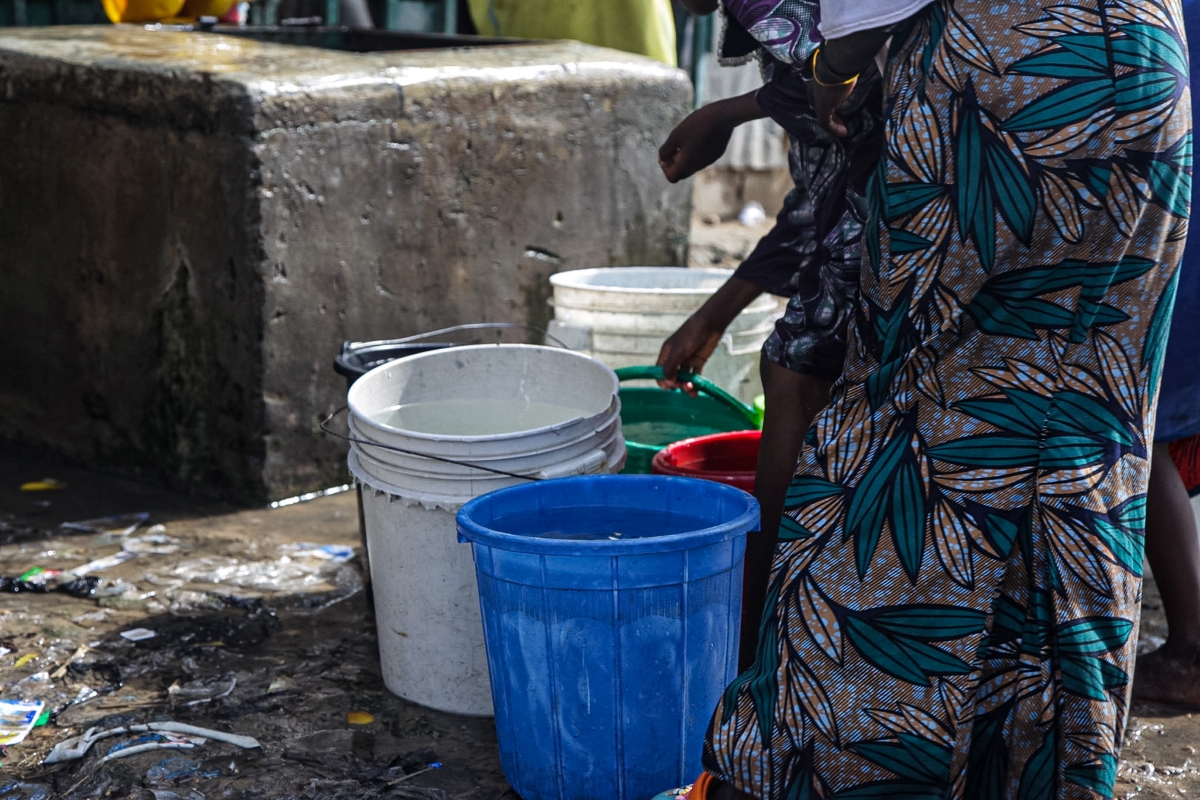
It is unlikely that cholera outbreaks will cease in Maiduguri. Only about half of the city’s population of almost 2 million has access to treated public water supply. This access is through a combination of treated surface water from Alau Dam, located near the city, and underground water sources. Damaged water pipes and ineffective development control by local planning authorities have combined to undermine public water supplies to buildings.
The city is also yet to fully recover from the September 2024 climate change-induced flooding that damaged water infrastructure. Compounding these problems is the limited power supply from the national grid, on which more than 2,000 boreholes in the city depend.
Adapting to water shortage increases risk of contamination
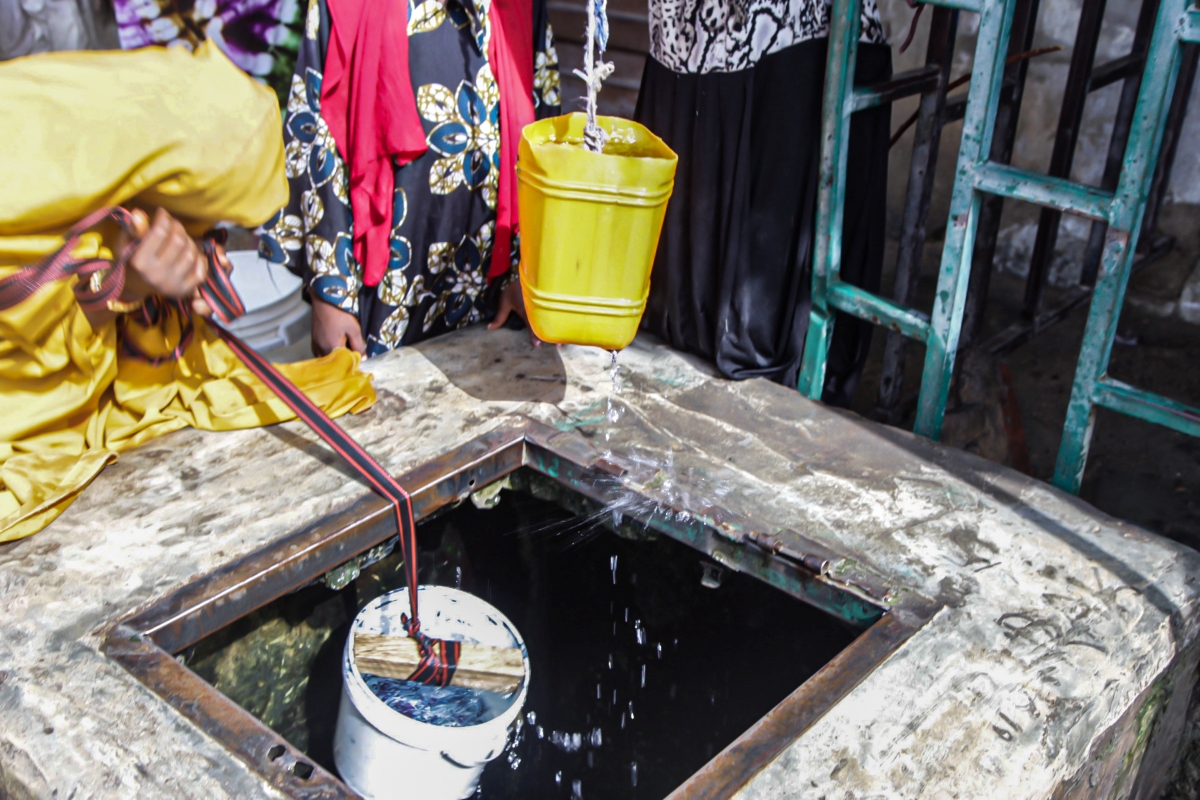
To ensure uninterrupted water supply from both public and private sources, most residents depend on water collected from concrete underground reservoirs, often called “dams”, for their longer-term water storage. The construction of dams across communities and homes is a coping strategy, but contamination is an issue.
Many reservoirs are uncovered or partly covered, built near open gutters or toilets. They often overflow during the rainy season (June to September), with stormwater runoff contaminating the water, as a result of the city’s low-lying topography. Further exacerbating this risk, the government occasionally faces chemical supply chain shortages, which means interventions by international partners are sometimes needed to keep public water treatment running.
Groundwater is complementary but unsafe
Other underground water sources offer no safer alternative either. In most high- and middle-class homes, families depend on private boreholes to meet domestic water needs. These boreholes are shallow wells of 30-80 metres deep, tapped from the city’s upper aquifer. Many wells have been sunk in unhygienic areas – such as close to municipal dump sites and pit latrines – and are prone to bacteriological and heavy metal contamination.
Groundwater exploitation is regulated in principle, but the guidelines are clearly difficult to enforce due to government failure to provide clean water, systemic failure and weak regulatory oversight.
Food–water contamination poses further risks
Vibrio cholerae, the bacteria that causes cholera, also spreads through food contamination. Large quantities of Maiduguri’s wastewater effluent from domestic sources are discharged daily into the Ngadda, a seasonal river that flows through the city used to irrigate crops. Significant quantities of E. coli (13–24 n/100 mg) have also been found in water samples collected from this stream.
When this contamination combines with high amounts of faecal matter – caused by open defecation along the riverbanks, especially in hotspots like Monday Market, Maiduguri Abattoir and Gamboru Market – chances for the spread of Vibrio cholerae become accelerated.
Anticipatory action against cholera
Proactive measures are essential to stop cholera outbreaks occurring in Maiduguri.
> Water chlorination will substantially mitigate the risks of contamination. Stockpiling to ensure availability and regular use for water treatment is required.
> In parts of the city not covered by public water supply, identification of cholera hotspots and free distribution of chlorine tablets are required.
> Intensification of disease surveillance by local government health teams and training of community-based organisations in basic disease surveillance would help in early detection and quick response.
> Public–private partnerships in the provision of toilet facilities can improve access to safer sanitation at affordable rates.
> Early procurement of oral cholera vaccine to prepare for timely distribution when an outbreak occurs is important at the beginning of each rainy season.
Photo credits: Fatima Adamu; Rehabilitation, Empowerment and Better Health Initiative (REBHI)
Note: This article presents the views of the authors featured and does not necessarily represent the views of the African Cities Research Consortium as a whole.
The African Cities blog is licensed under Creative Commons Attribution-NonCommercial-NoDerivatives 4.0 International (CC BY-NC-ND 4.0), which means you are welcome to repost this content as long as you provide full credit and a link to this original post.
