
Community-led climate action
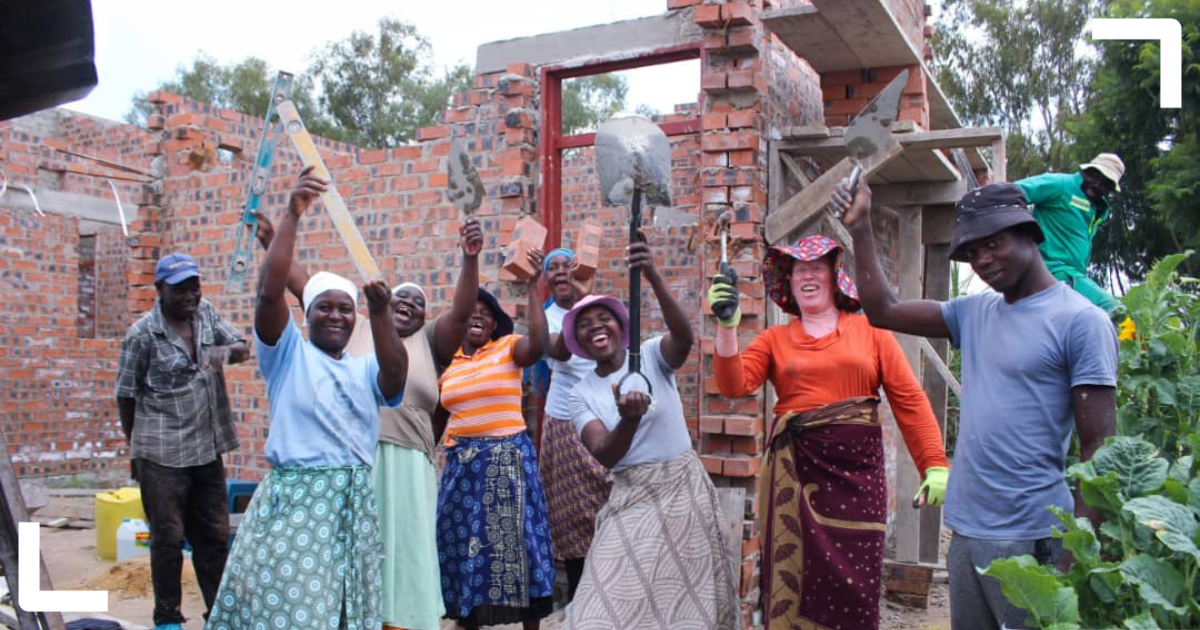
Across Harare’s informal settlements, climate change is no longer a distant threat, but a lived reality, manifesting in extreme weather patterns, disease outbreaks and environmental degradation that shape everyday survival. In the face of these challenges, communities are coming together to respond to the impacts collectively. Through ACRC’s Informal Settlements Climate Change Action (ISCCA) project, communities are organising to lead climate resilience efforts.
As part of a miniseries covering progress in the ISCCA project, this first blog post outlines the climate action goals the initiative is seeking to achieve and what’s been happening so far. The second explores the establishment of a community-led climate action network, the third spotlights grassroots activities taking place in different communities, the fourth shares lessons on the importance of political alignment from two informal settlements, and the fifth highlights the key role that climate savings groups play in advancing community climate resilience.
By Evans Banana and Shiela Muganyi
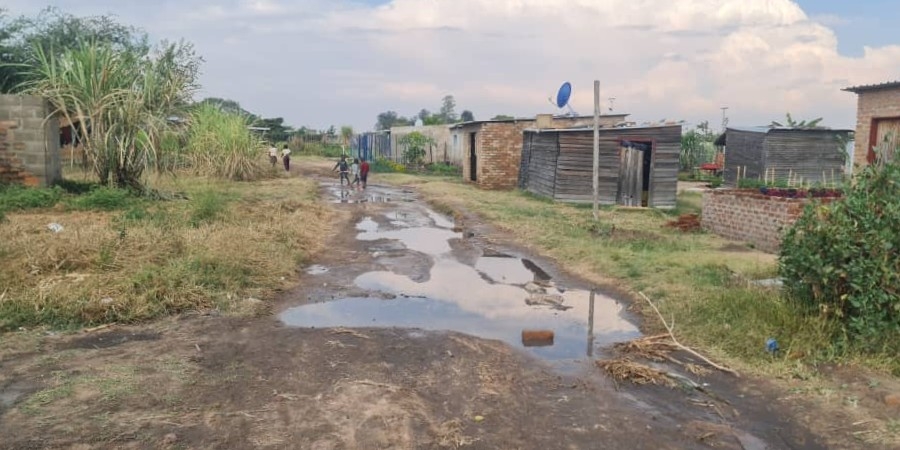
Harare is already facing significant challenges due to climate change, especially in informal settlements, where vulnerable populations are disproportionately affected. The prevalence of hazards such as floods, droughts, heatwaves and heavy rains exacerbates existing vulnerabilities, leading to severe impacts on marginalised groups including women and young people.
Informal settlements often lack adequate infrastructure, making residents more susceptible to property loss and displacement during extreme weather events. The increasing frequency and severity of climate-related disasters, coupled with growing inequalities, have exposed the inadequacies of current adaptation efforts and highlighted the urgent need for innovative infrastructure and financing mechanisms.
Despite policy commitments at the city and national level, informal settlements continue to bear the brunt of climate-induced disasters in the city. As a response, communities in Harare have been devising innovative solutions to reduce the effects of climate change. However, without sufficient policy support and recognition to anchor these efforts, sustainable initiatives remain trapped in a limited pilot mode, hindering their potential for broader city-wide replication.
Co-producing climate action with informal settlement communities
The Informal Settlements Climate Change Action (ISCCA) project in Harare seeks to co-produce climate-resilient interventions and strengthen local capacity to protect informal settlements from climate change.
Based on identified gaps and opportunities, the first phase of the ISCCA project focused on a set of four broad climate change resilience-building actions:
1. Conducting assessments to enhance understanding of climate change vulnerability in Harare’s informal settlements;
2. Climate change capacity strengthening for city stakeholders;
3. Establishing and strengthening urban reform coalitions on climate change issues;
4. Implementing co-produced climate resilient actions.
Transforming learning into climate action
Now into its second phase, the project is building on the gains from the first phase to demonstrate how cities can undertake informal settlement upgrading that prioritises community needs and integrates issues of climate change.
Five major lessons have emerged from the ISCCA action research process so far:
> Land tenure security and resolution of building approval procedures are a key pillar for building climate change resilience – Considering the uncertainty that comes with precarious land tenure, informal settlement residents reported that they struggle to invest in infrastructure and housing improvements. This was particularly the case for residents who were wary of the state’s tendency to deploy evictions and demolitions as the go-to policy for addressing land and housing informality.
> Climate change impacts vary across the city’s informal settlements – Climate change impacts are not uniform across the city. While some areas reported significant knocks from droughts, others recalled disconcerting stories of flooding events. These varied impacts highlight the importance of building settlement-specific resilient infrastructure, such as drainage systems for flood control in areas including Tafara and Budiriro.
> Building climate change resilience requires cross-settlement assessments – Vulnerability assessments are often settlement-specific, but this limits imagining how climate change impacts often transcend administrative boundaries. In Dzivarasekwa Extension, for instance, localised flood measures that were designed excluding adjacent neighbourhoods have illustrated shortcomings associated with such an approach.
> Leveraging and scaling locally-led climate actions is critical for fostering city-wide climate resilience – A wide array of locally-led actions is being implemented in different parts of the city. For example, in Dzivarasekwa Extension, a greening initiative supported by the City of Harare has seen the provision of fruit trees providing shade during high temperatures. Despite many locally-led climate actions, there was little – if any – invested towards institutionalising and scaling these responses.
> The Climate and Environment Policy is an important arena advancing informal settlement climate change reform agendas – Phase one of the ISCCA action research project coincided with the development of the City of Harare’s Climate and Environment Policy, presenting immense scope for realigning this crucial policy with climate change vulnerability issues in the city’s informal settlements. In the project’s second phase, the proposed policy constitutes a useful launchpad for reform conversations with city decision makers.
Scaling up reform efforts
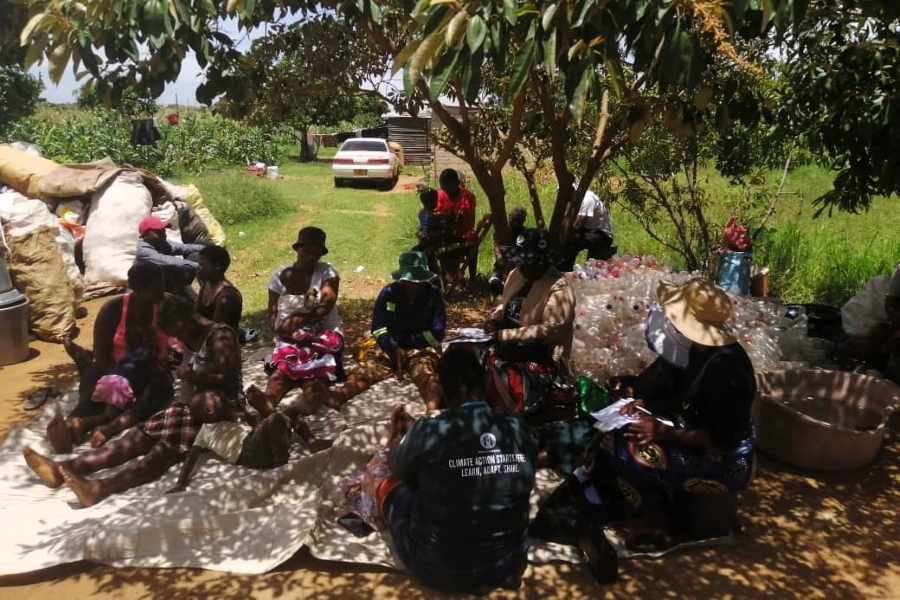
Building on the foundation laid by these findings, vulnerability assessments are being used to explore co-production of upgrading interventions in two further areas. The project is also focused on mobilising citizens and strengthening urban reform coalitions to form a more united front against climate-related challenges. This involves extending the overall capacity of communities and local authorities to access climate finance, implementing sustainable solutions and securing elite commitment – an essential component for ensuring the project’s long-term success.
In addition, work is underway to operationalise the housing and climate change framework developed during the first phase, while simultaneously building capacity for replication and scaling up climate action in additional informal settlements. To facilitate replication across informal settlements with diverse typologies and tenure arrangements, the project plans to leverage on existing climate risk and vulnerability assessments and use them to explore nature-based solutions, fostering tailored and climate resilience strategies appropriate in different contexts.
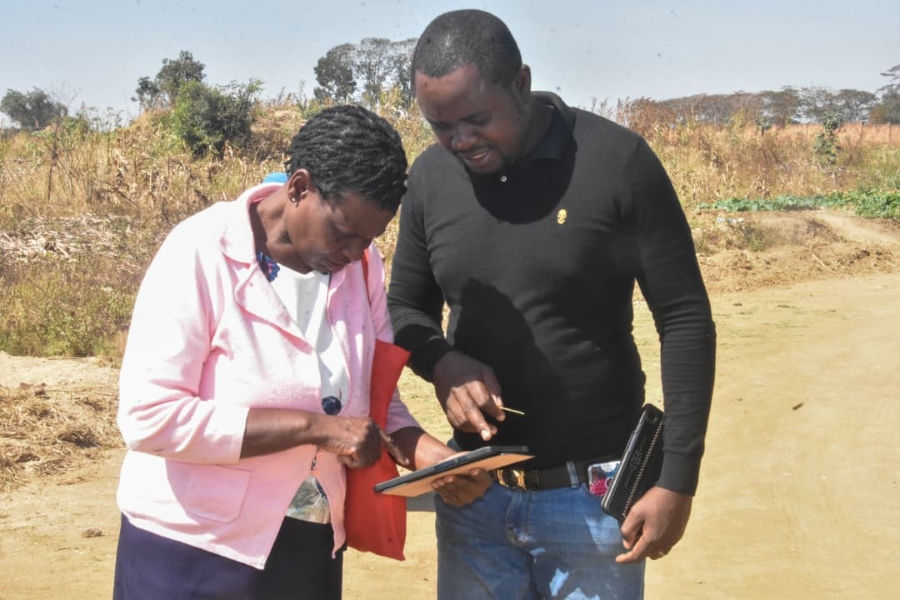
Crucially, the second phase is also building on institutional processes kick-started by the City of Harare, including the formulation of the Climate and Environment Policy. Phase one incorporated experiences and insights from informal settlements, the policy still needs to be finalised and integrated across city departments. The proposed policy presents huge reform opportunities for reimagining and fostering progressive connections between the informal settlements and climate change impacts.
Photo credits: Know Your City TV Zimbabwe
Note: This article presents the views of the authors featured and does not necessarily represent the views of the African Cities Research Consortium as a whole.
The African Cities blog is licensed under Creative Commons Attribution-NonCommercial-NoDerivatives 4.0 International (CC BY-NC-ND 4.0), which means you are welcome to repost this content as long as you provide full credit and a link to this original post.
