
By Jerry Okal, Rosebella Apollo and Jack Makau
An estimated 300,000 children in Nairobi’s informal settlements attend school each day without the certainty of a reliable meal.
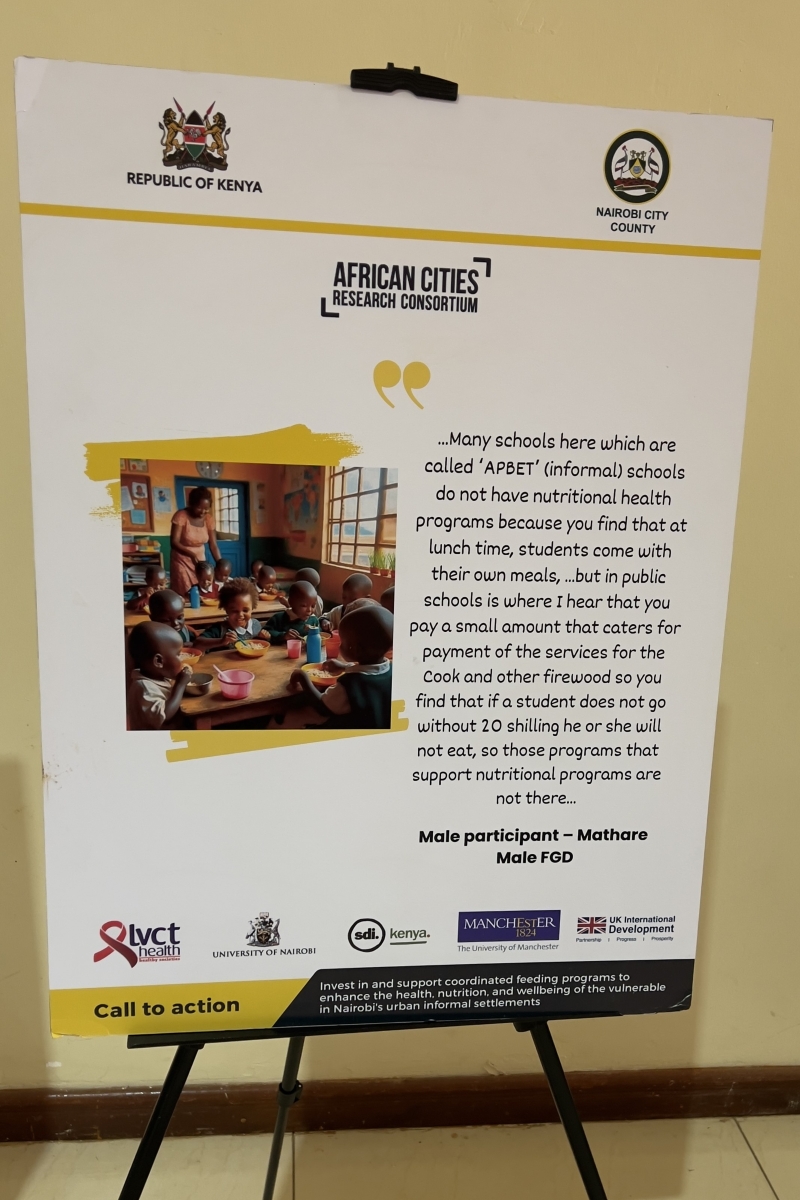
While the Nairobi County’s “Dishi na County” programme has been hailed as a novel programme that has made meaningful progress since its launch in August 2023 – offering subsidised meals at KSh 5 per child in public schools – it currently reaches fewer than 40% of learners. The remaining 60%, largely enrolled in low-cost private schools known as APBET (Alternative Provision of Basic Education and Training) institutions, have no formal feeding programme. Where meals are available in these schools, families pay up to six times more than their public school counterparts.
APBET schools serve some of Nairobi’s marginalised and economically vulnerable families – mostly those living in informal settlements – yet they remain outside the county’s feeding infrastructure. This gap has real health and economic consequences: children who miss meals are less able to concentrate, attend school less regularly and are more susceptible to poor health and nutritional outcomes.
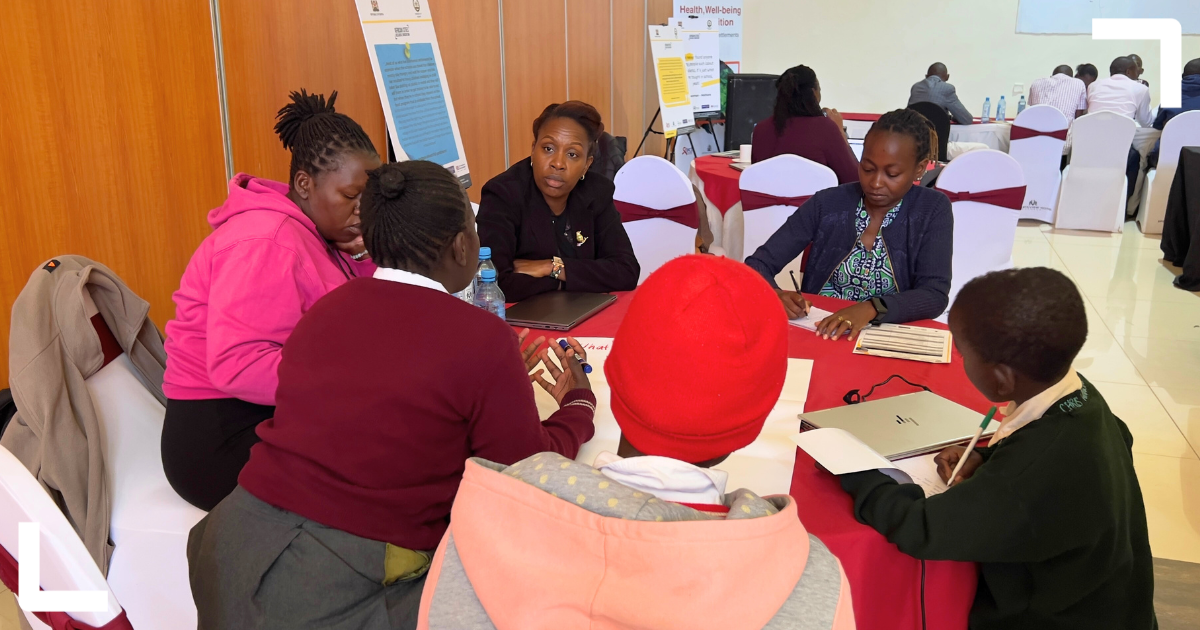
The informal school feeding pilot validation workshop
On 4 February 2026, LVCT Health and ACRC convened a validation workshop to review findings from a pilot study examining the potential of school feeding programmes in Nairobi’s informal school sector. The session brought together a broad group of stakeholders, including school directors, parents, kitchen staff, county government representatives, nutritionists and students.
Inviolata Njeri of LVCT Health presented the pilot findings. These confirmed the scope of the challenge and highlighted community readiness to participate in a sustainable feeding model for the APBET schools. Teachers from Mathare and Viwandani (where the pilot project was conducted) shared observations of improved enrolment, improved health, pupil confidence and school organisation in settings where feeding programmes had been introduced.
What the evidence shows
Research conducted by LVCT Health, the University of Nairobi and ACRC points to a viable path forward. Key findings include:
> School feeding improves learner concentration, enrolment consistency and overall wellbeing.
> Parents in informal settlements have indicated a willingness to contribute a modest amount of money for the school feeding programmne – up to KSh 20 per meal.
> At that contribution level, the programme could generate approximately KSh 1.2 billion annually – a potentially self-sustaining model that could be integrated with the Dishi na County programme.
> Broader benefits extend to parents, who regain time previously spent on meal preparation as well as savings from the school meals.
Recommended actions
Based on workshop discussions and study findings, the following steps are proposed:
> Extend the Dishi na County programme to cover APBET schools in informal settlements.
> Set meal contributions at a level that families can realistically afford – KSh 20 or below.
> Invest in shared infrastructure, including access to clean water, appropriate cooking energy and adequate food storage.
> Ensure that no child is excluded from meals due to a missed payment.
Looking ahead
The validation workshop demonstrated the value of bringing lived experience and research evidence into the same room. The conversation was grounded, practical and solution-oriented. With strong community willingness and a growing evidence base, there is a real opportunity to build a fair and sustainable school feeding system that works for all of Nairobi’s learners – regardless of which school they attend.
Photo credits: Rosebella Apollo
Note: This article presents the views of the authors featured and does not necessarily represent the views of the African Cities Research Consortium as a whole.
The African Cities blog is licensed under Creative Commons Attribution-NonCommercial-NoDerivatives 4.0 International (CC BY-NC-ND 4.0), which means you are welcome to repost this content as long as you provide full credit and a link to this original post.
