Health, wellbeing and nutrition
Many residents in African cities face considerable challenges relating to health, nutrition and wellbeing, along with marginalisation or exclusion in accessing healthcare – especially those living in poverty. Yet these difficulties are often masked within wider data and policy debates by the so-called “urban advantage”.
Poor access to clean water, sanitation and affordable quality health services, as well as malnutrition, have made many people living in African cities – particularly in informal settlements – vulnerable to communicable diseases such as malaria and tuberculosis. The Covid-19 crisis has highlighted the extent of health vulnerabilities in cities and the wider consequences for national and global health security, along with the fragility of food and nutrition security in many urban centres.
Improving integration between multiple city systems – including healthcare, food, water and sanitation, waste management, energy and spatial planning – is key to securing better health, wellbeing and nutrition outcomes for residents in African cities. This domain looks at the political dimensions underlying the ability of governments to provide affordable, higher quality health services and food, exploring potential policy approaches and interventions to improve access and availability.
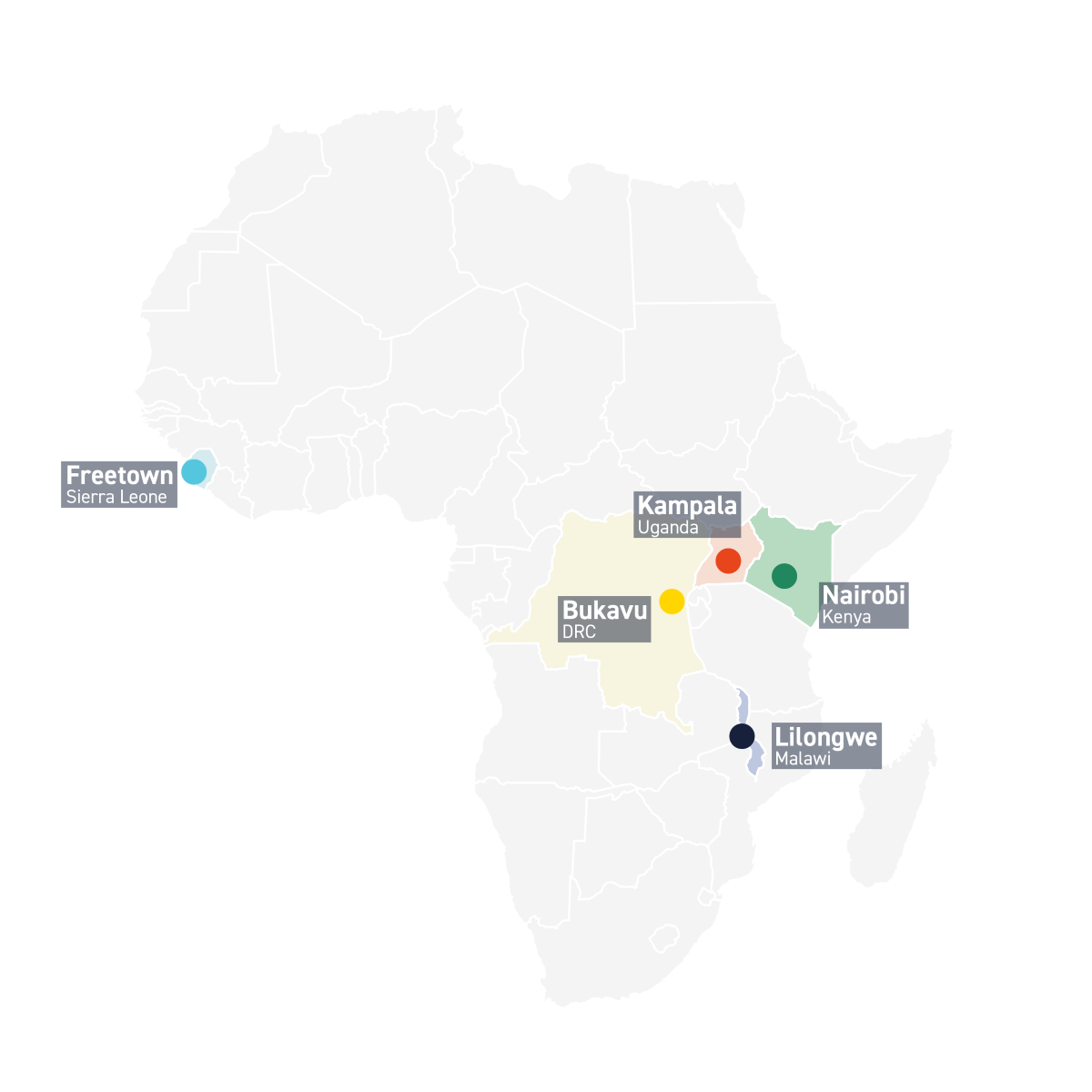
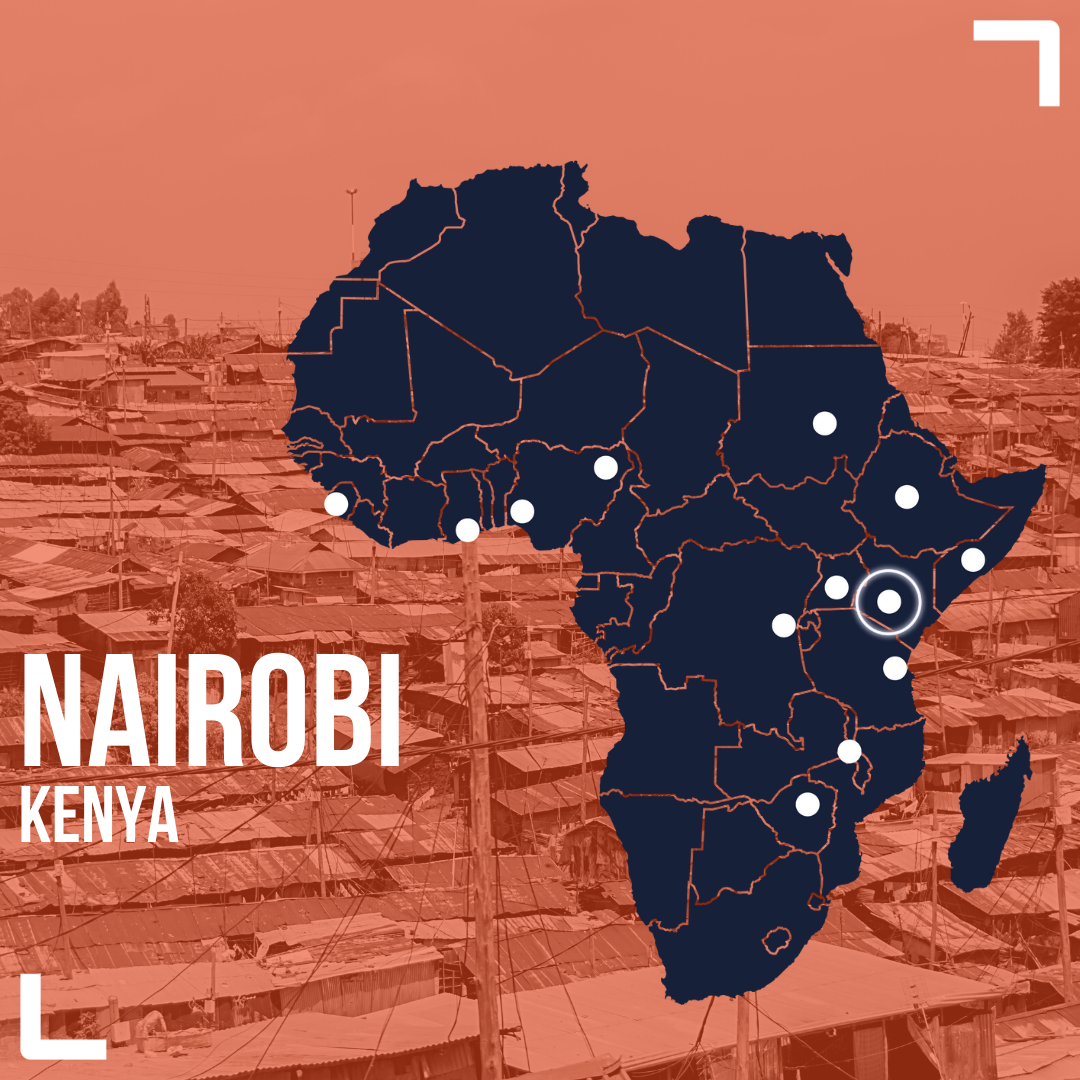
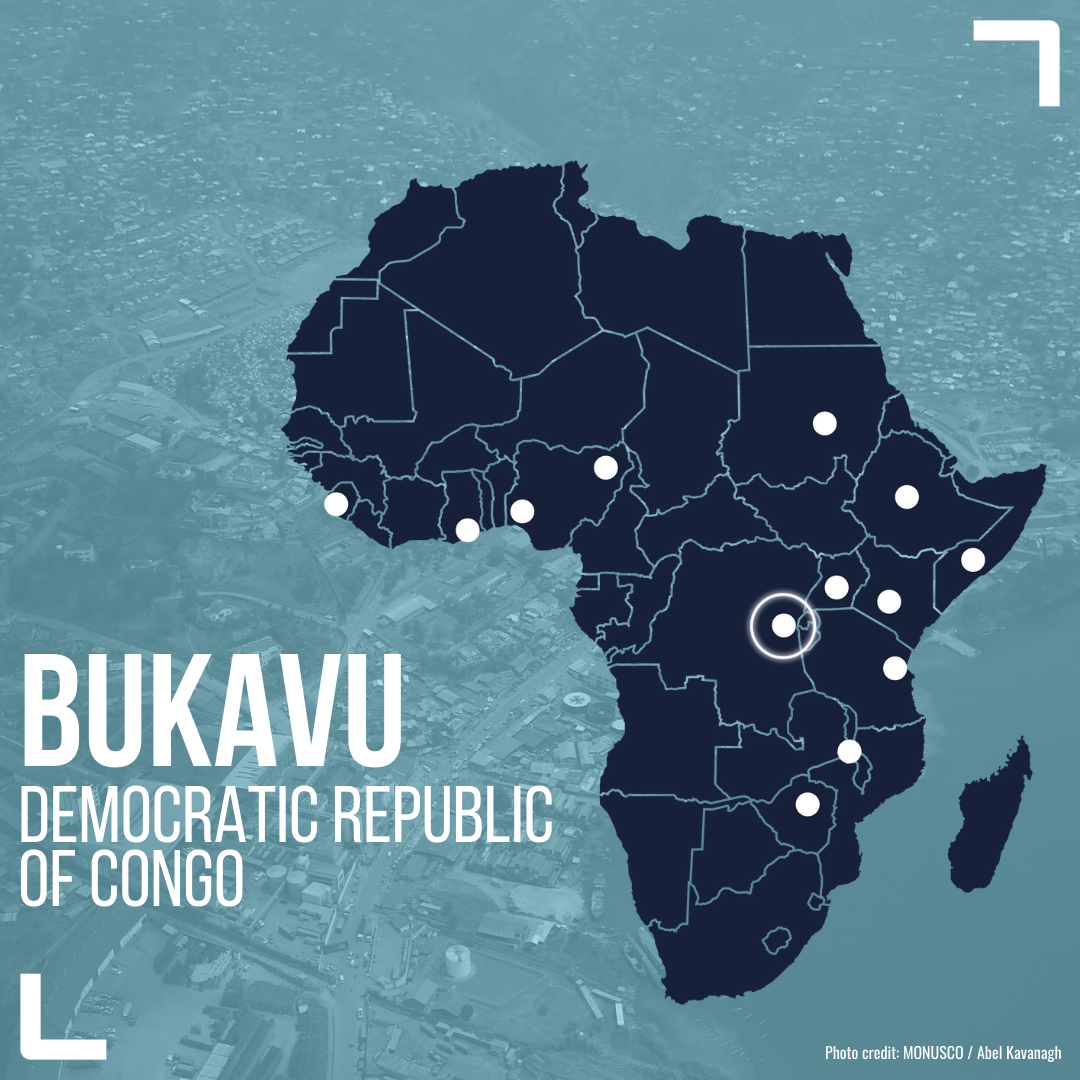
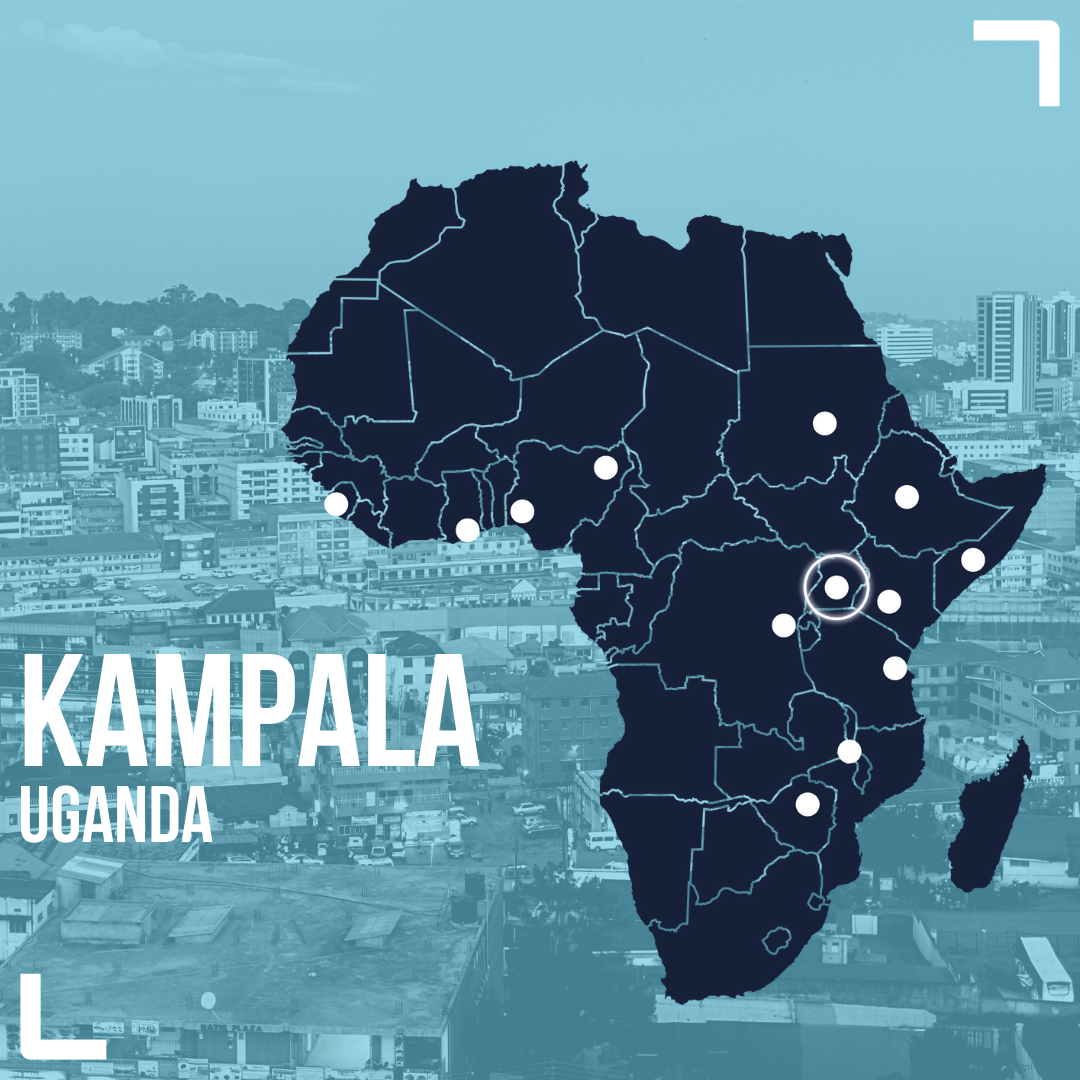
Within the health, wellbeing and nutrition domain, we are focusing on the following cities:
LATEST NEWS from ACRC
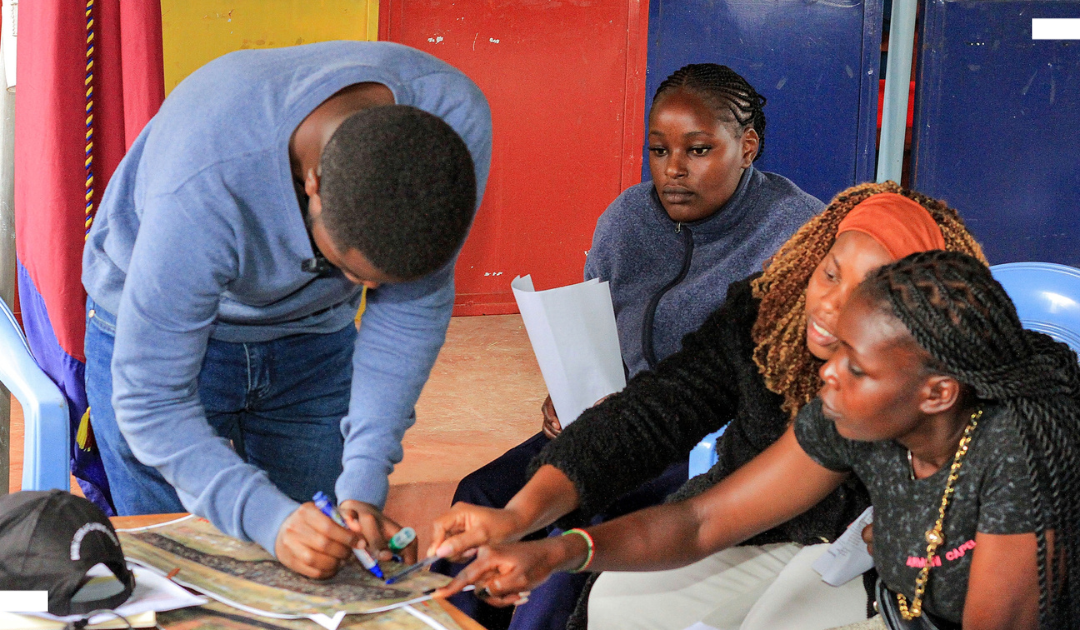
The power we see is not the final power: What land enumeration revealed in Mathare
Before we began the land enumeration, we thought we understood how power worked in Mathare. We grew up walking the same narrow paths, greeting elders at junctions and hearing everyday conversations about land, leadership and survival.
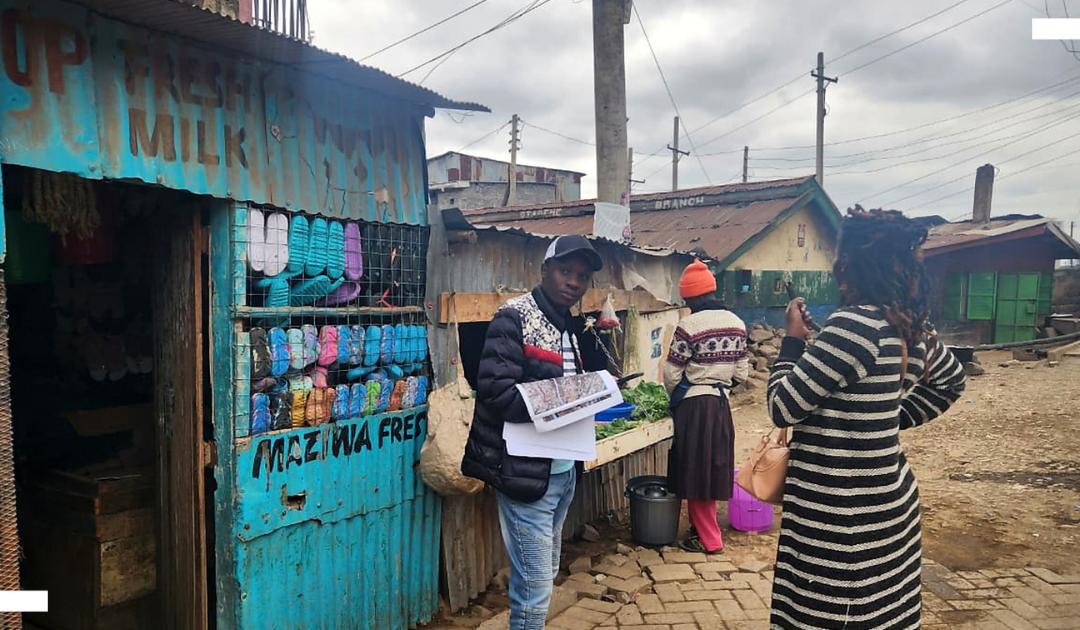
“Who sent you?” Lessons on trust from community-led research in Mathare
“Who sent you?” It was one of the first questions we heard while carrying out land enumeration in Mathare. It was often followed by others: “Who will see this information? Is it connected to demolitions? What will happen after you leave?”
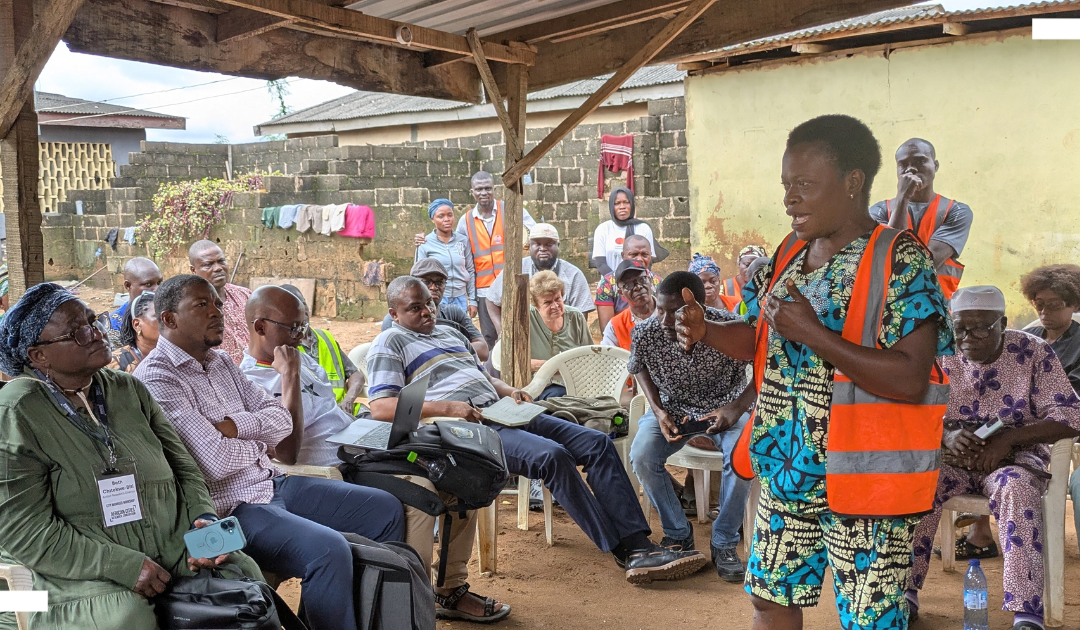
Podcast: The power of community knowledge
Chris Jordan is joined by Beth Chitekwe-Biti and Diana Mitlin for a conversation about the role of community knowledge within ACRC and beyond – including what it is, how it works and how it fits into ACRC’s research processes and aims around urban reform.