
A recent media engagement event, held by the ACRC city team in Harare, has led to a flurry of media coverage in the Zimbabwean press.
The news stories explore findings emerging from the ACRC action research project, “Building climate change resilience of informal settlements through strengthening locally-led climate action and co-producing basic services for Tafara households, Harare” (ISCCA), along with the progress that has been made towards more secure housing through the Harare Slum Upgrading Programme (HSUP).
The articles feature commentary from Evans Banana, ACRC’s uptake lead in Harare and programme coordinator at Dialogue on Shelter, who talks about how the action research is seeking to address critical challenges facing informal settlement residents.
Stories by ZTN Prime and The Herald Online centre around the community-led relocation of families from flood prone settlements in Harare to a planned neighbourhood in Tafara, as part of the HSUP initiative. A collaboration between Dialogue on Shelter, the Zimbabwe Homeless People’s Federation and the City of Harare with communities and other partners, the initiative was recently featured as a case study in ACRC’s urban reform database and showcases what community-led urban housing solutions can achieve.
Coverage from NewsDay Zimbabwe focuses on the growing climate risks facing informal settlements in Harare and the key role of communities in building climate resilience. Drawing on insights from ACRC’s ISCCA project, the article highlights the importance of securing land tenure, improving critical infrastructure and strengthening grassroots initiatives to ensure residents of African cities are better equipped to deal with extreme weather events, including flooding, strong winds and extreme heat.
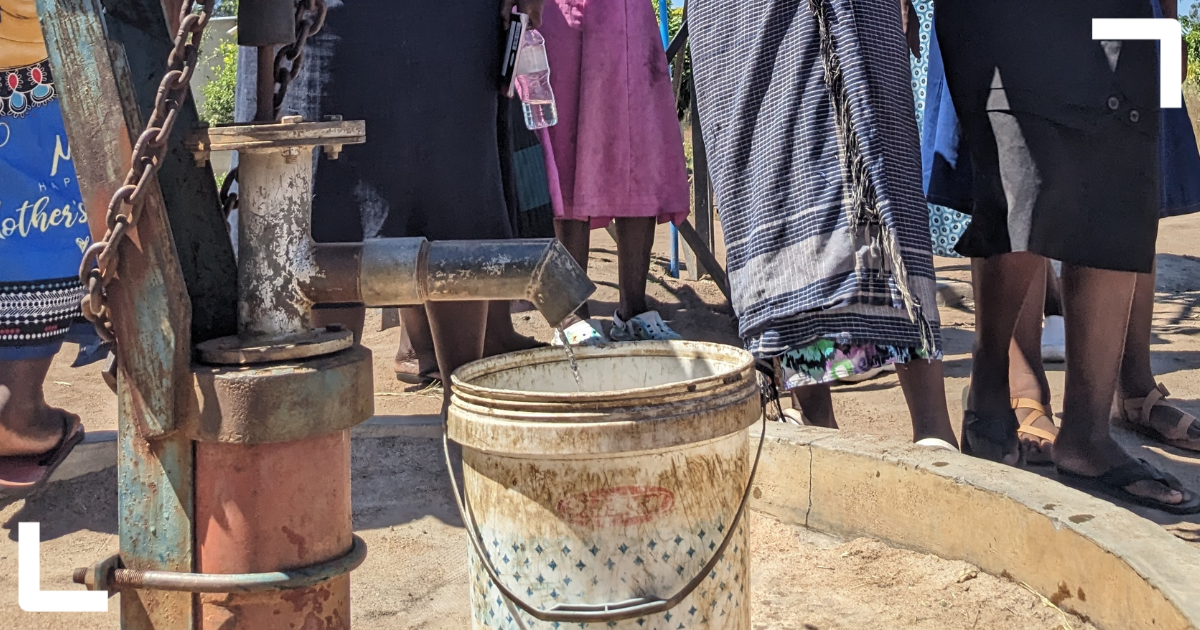
Relatedly, The Southern Environment highlights the work that is being done as part of the ISCCA initiative, spotlighting the central role that women co-researchers are playing in mapping flood-prone areas and documenting sanitation challenges, as well as identifying the climate risks impacting their day-to-day lives.
Photo credits: Chris Jordan
Note: This article presents the views of the authors featured and does not necessarily represent the views of the African Cities Research Consortium as a whole.
The African Cities blog is licensed under Creative Commons Attribution-NonCommercial-NoDerivatives 4.0 International (CC BY-NC-ND 4.0), which means you are welcome to repost this content as long as you provide full credit and a link to this original post.
