
Housing
Against a backdrop of poverty, underinvestment in basic infrastructure and contested land development, housing provision is lacking in African cities. In the absence of state support and affordable market opportunities, many households – including those in the middle classes – find housing in the informal sector, with associated insecurities.
As well as providing safety, security and access to essential basic services, housing also gives urban residents access to labour markets, a legal address and even a site for household economic activities. For city and national governments, housing construction is an important source of enterprise activity and employment. The cost, availability and suitability of urban housing options are influenced by multiple formal and informal systems, with a wide range of actors involved.
ACRC will examine the connections between these various systems and actors, along with other pertinent issues – including mass housing programmes versus incremental development, affordable housing, subsidies and environmentally friendly building materials – and how these intersect with other urban development domains.
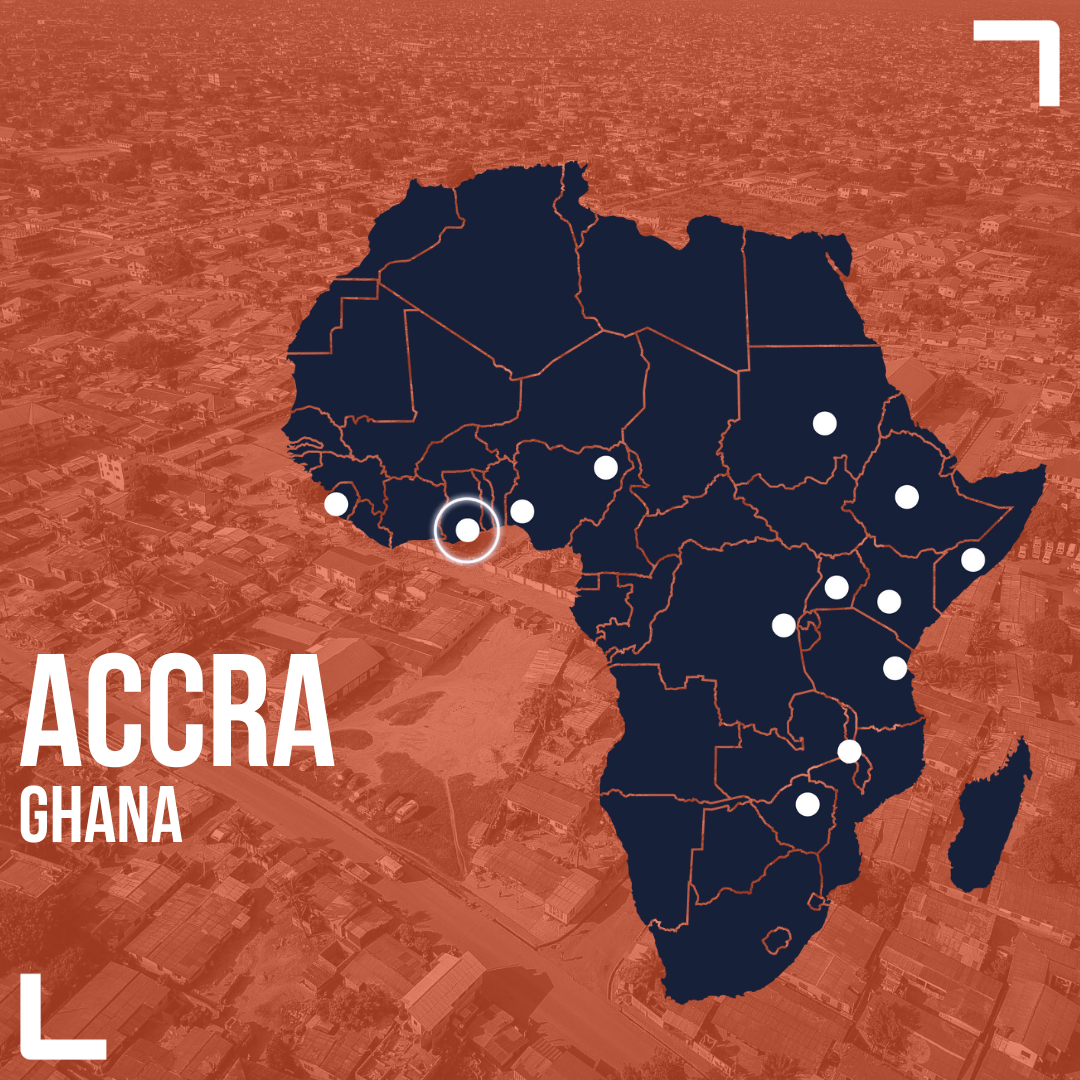
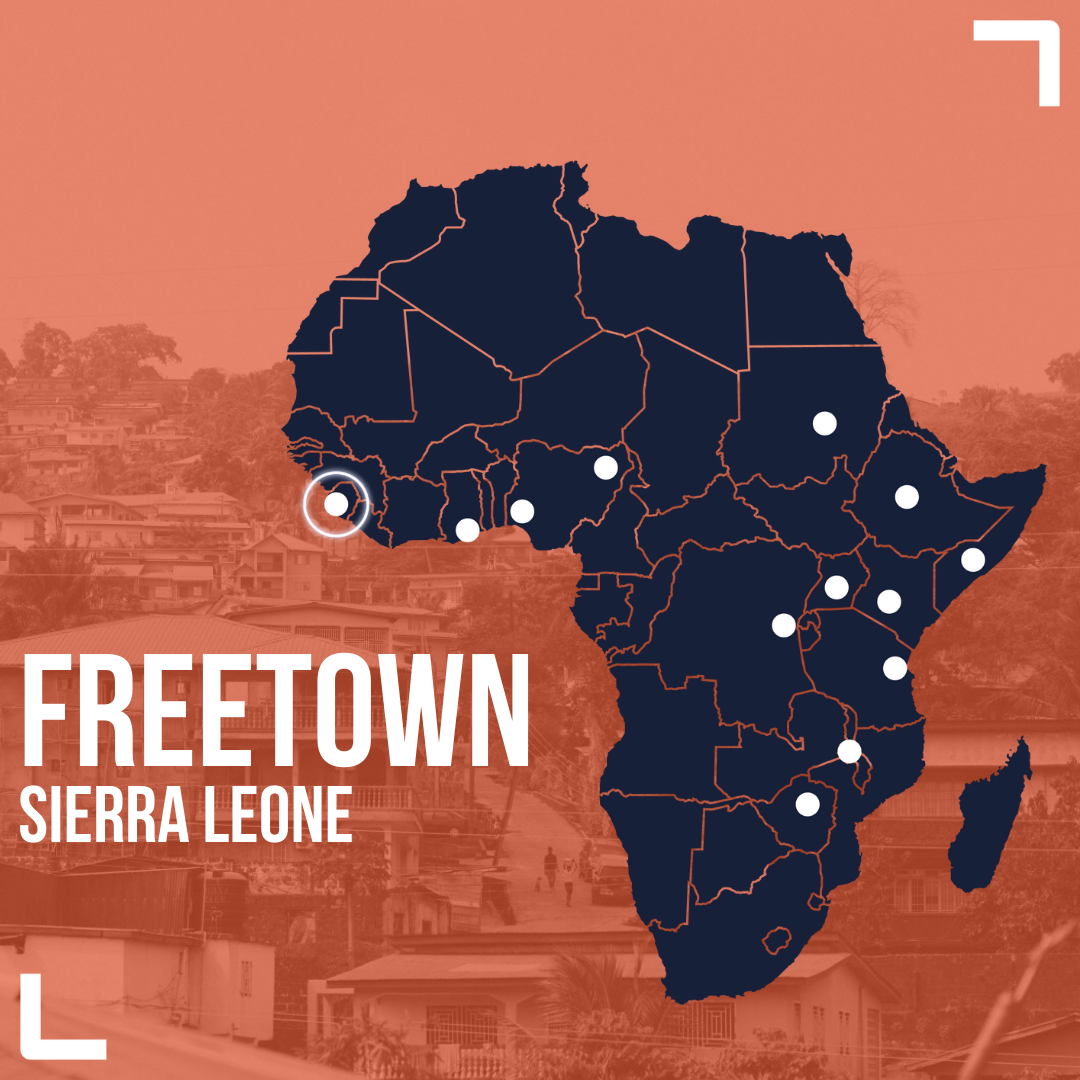
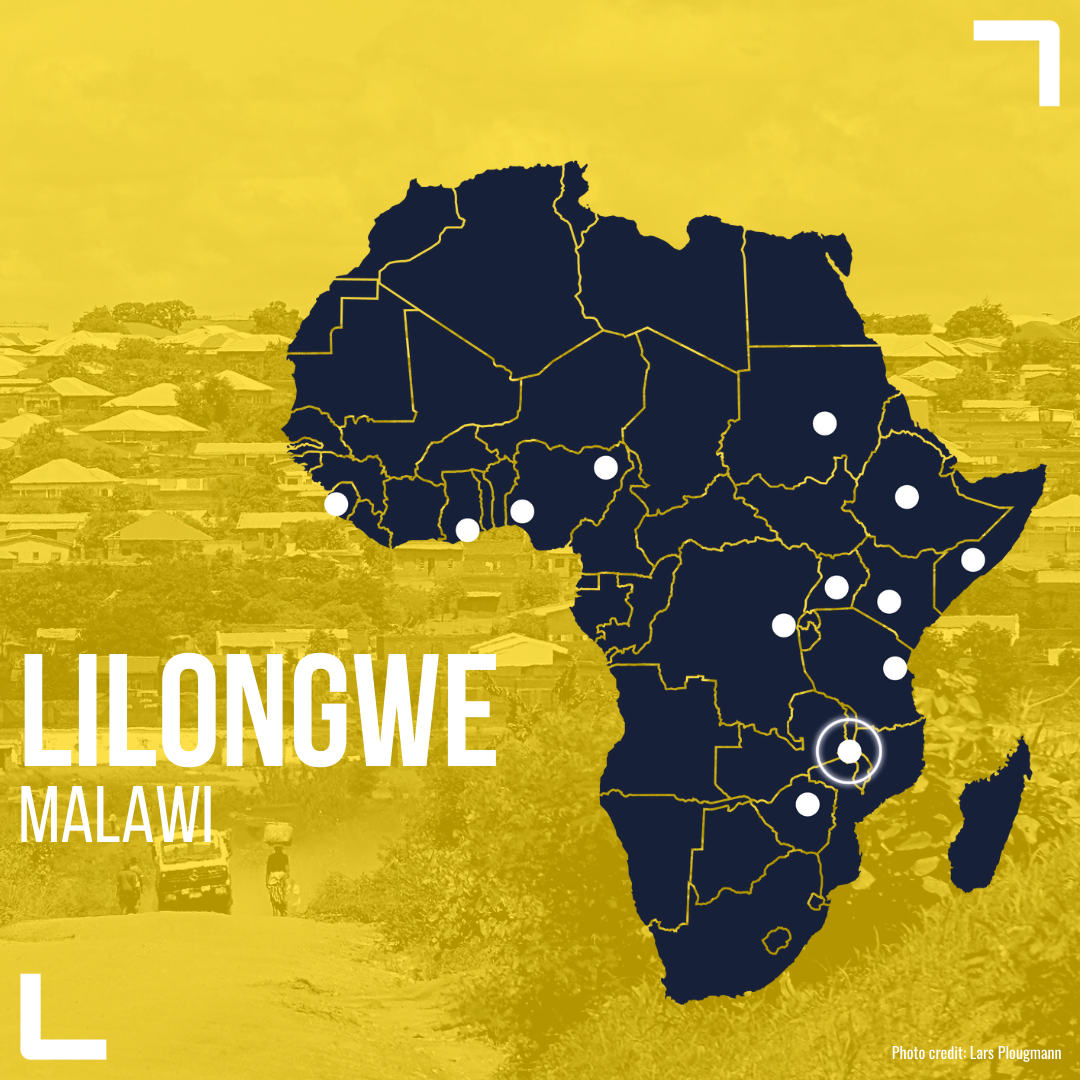
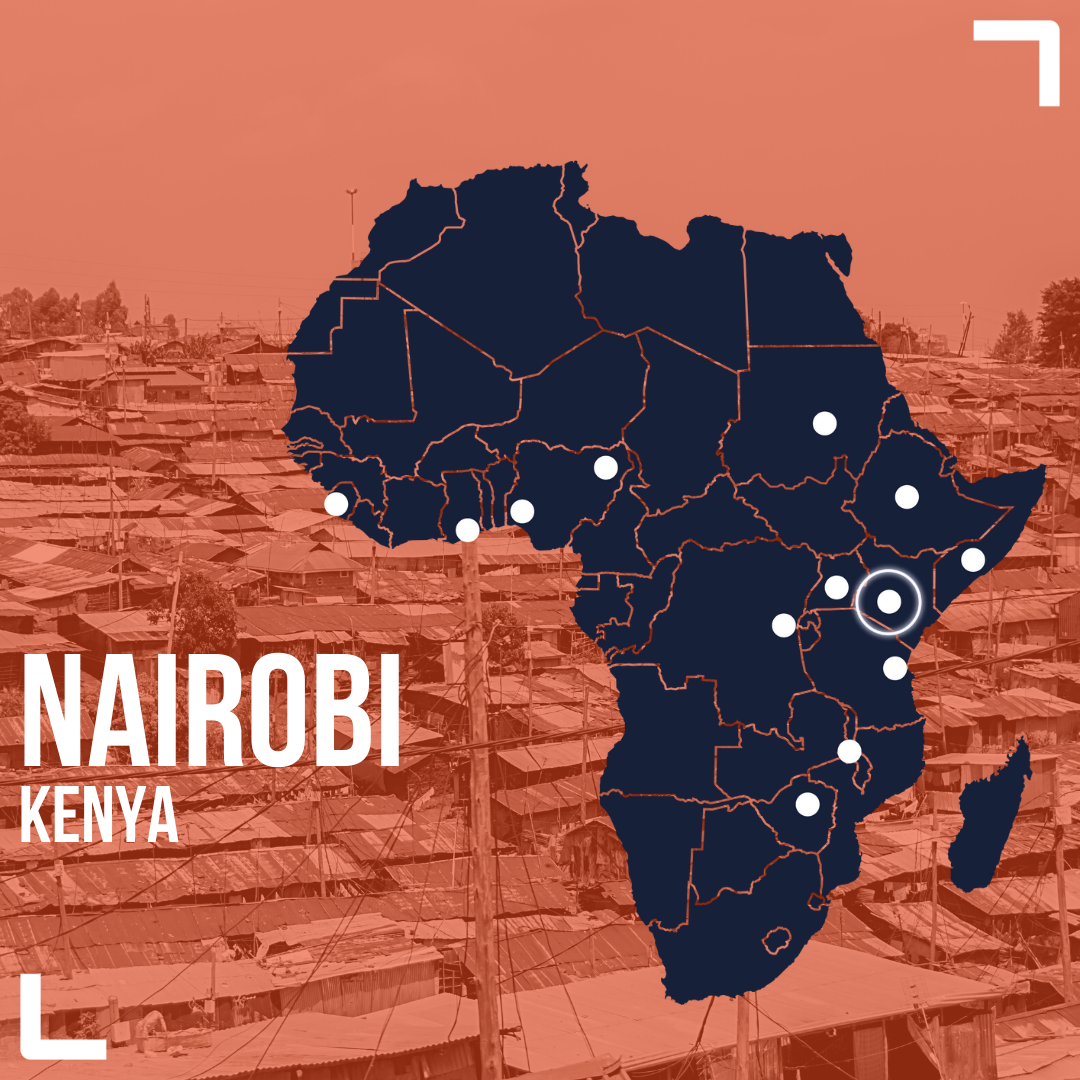
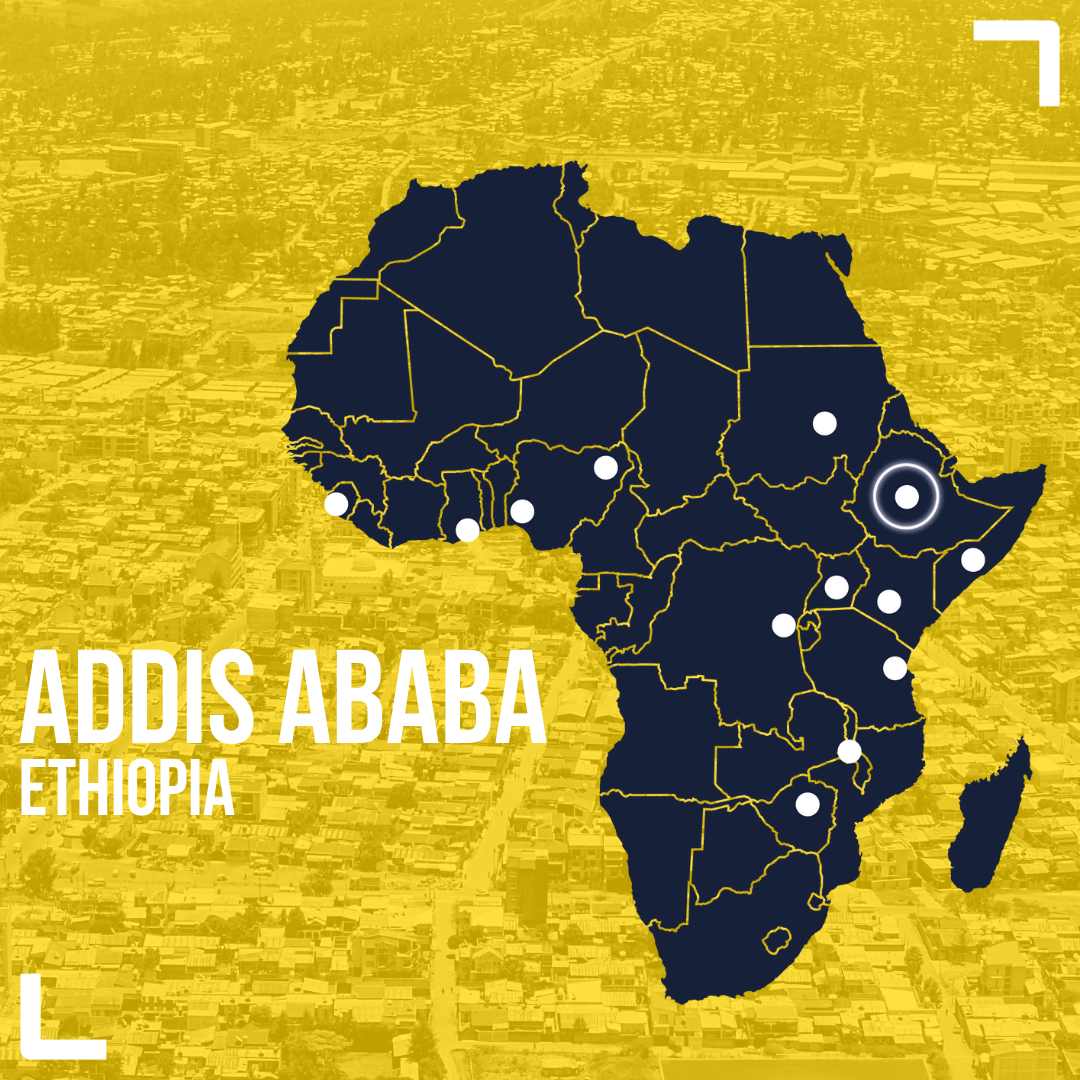
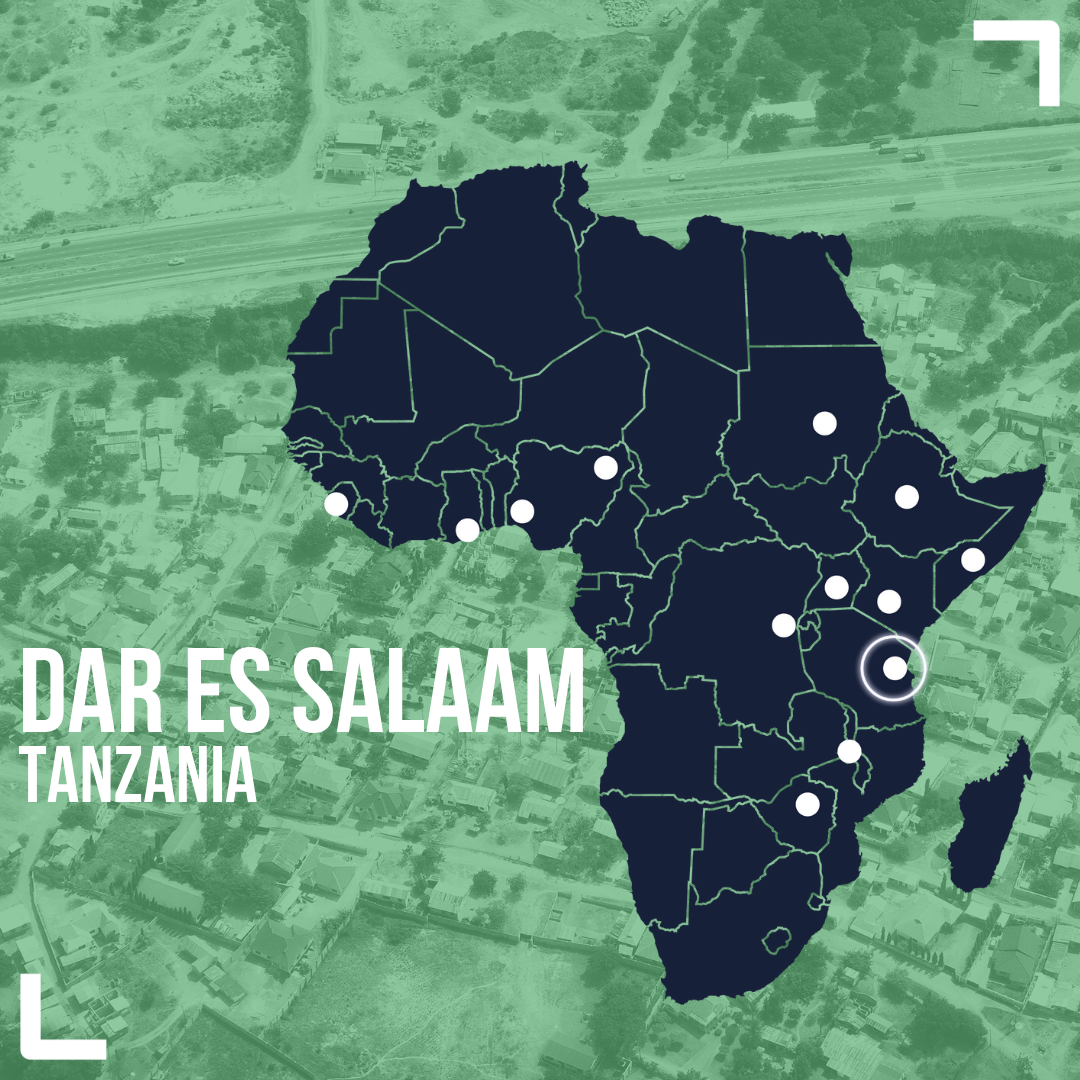
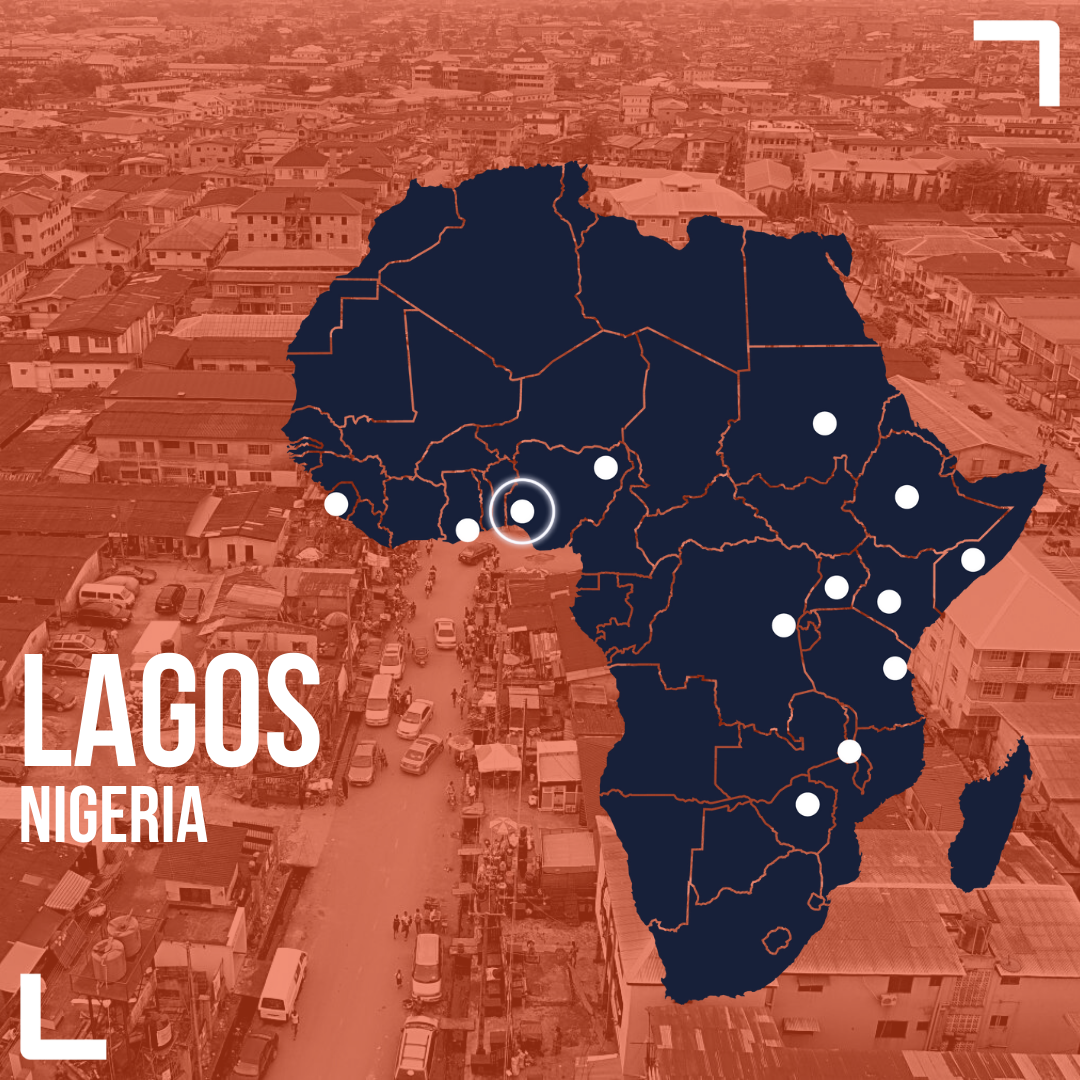
Within the housing domain, we are focusing on the following cities:
LATEST NEWS from ACRC
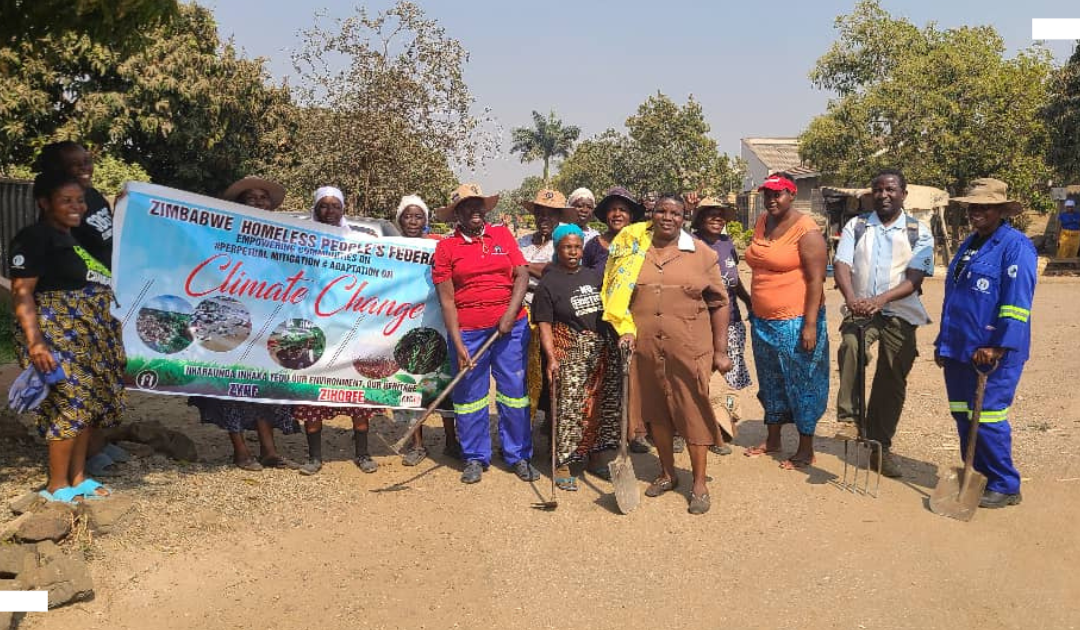
Grassroots power: What does community climate action look like in Harare’s informal settlements?
As part of a miniseries covering progress in the ISCCA project in Harare, this third blog post spotlights grassroots activities taking place in different communities.
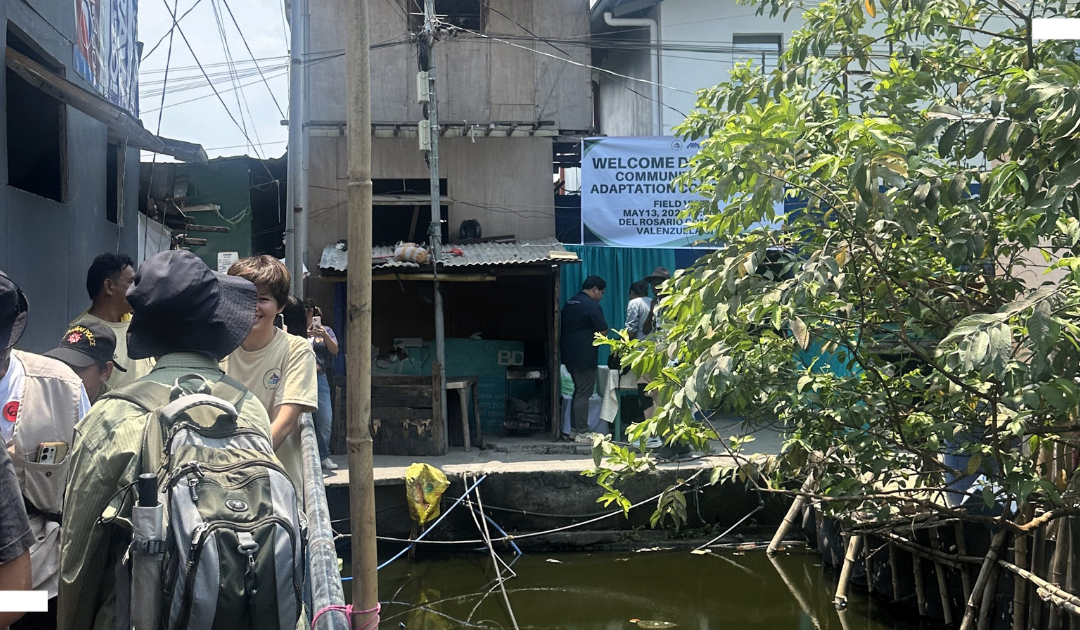
Reimagining urban climate finance: From global commitments to community-led resilience
This blog post presents reflections from a recent session at CBA20, which explored the issue of urban climate finance through two key lenses: breadth of finance availability and depth of finance delivery.
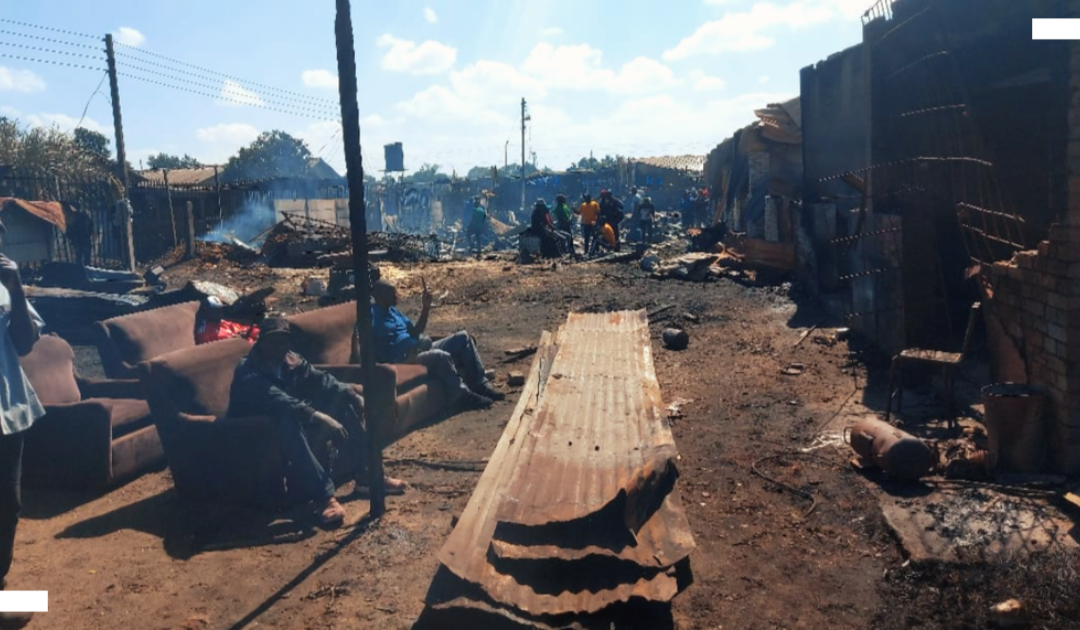
Beyond “firefighting”: Tackling disaster risk at Harare’s urban markets
In this blog miniseries looking at urban markets in Harare, this second post outlines priority actions for tackling fire risks in markets.