Safety and security
Many residents of African cities are vulnerable to widespread crime and violence. Perceived and real threats of violence or exposure to crime can limit mobility – particularly for women and girls, children and minority groups – with a knock-on effect on education, livelihoods and general wellbeing.
Notably, in conflict-affected African states, violence, armed insurgency and terrorism might unfold in cities or generate an exodus of refugees and internally displaced people (IDPs) into urban areas. Crime, violence and conflict undermine economic growth and deepen mistrust of governance, security and justice institutions – frequently leading to vigilante organisations and “street justice”.
Enhancing safety and security in African cities requires pulling together various city systems, such as transport, road networks, policing, land ownership, water and sanitation, and electricity. ACRC will analyse the interplay of these systems – along with how the political economy of safety and security is reflected within city power dynamics – to identify measures that reduce violence and crime, and address the perception and fear of harm. We will also explore conflict resolution and how the integration of IDPs can be better facilitated within conflict-affected states.
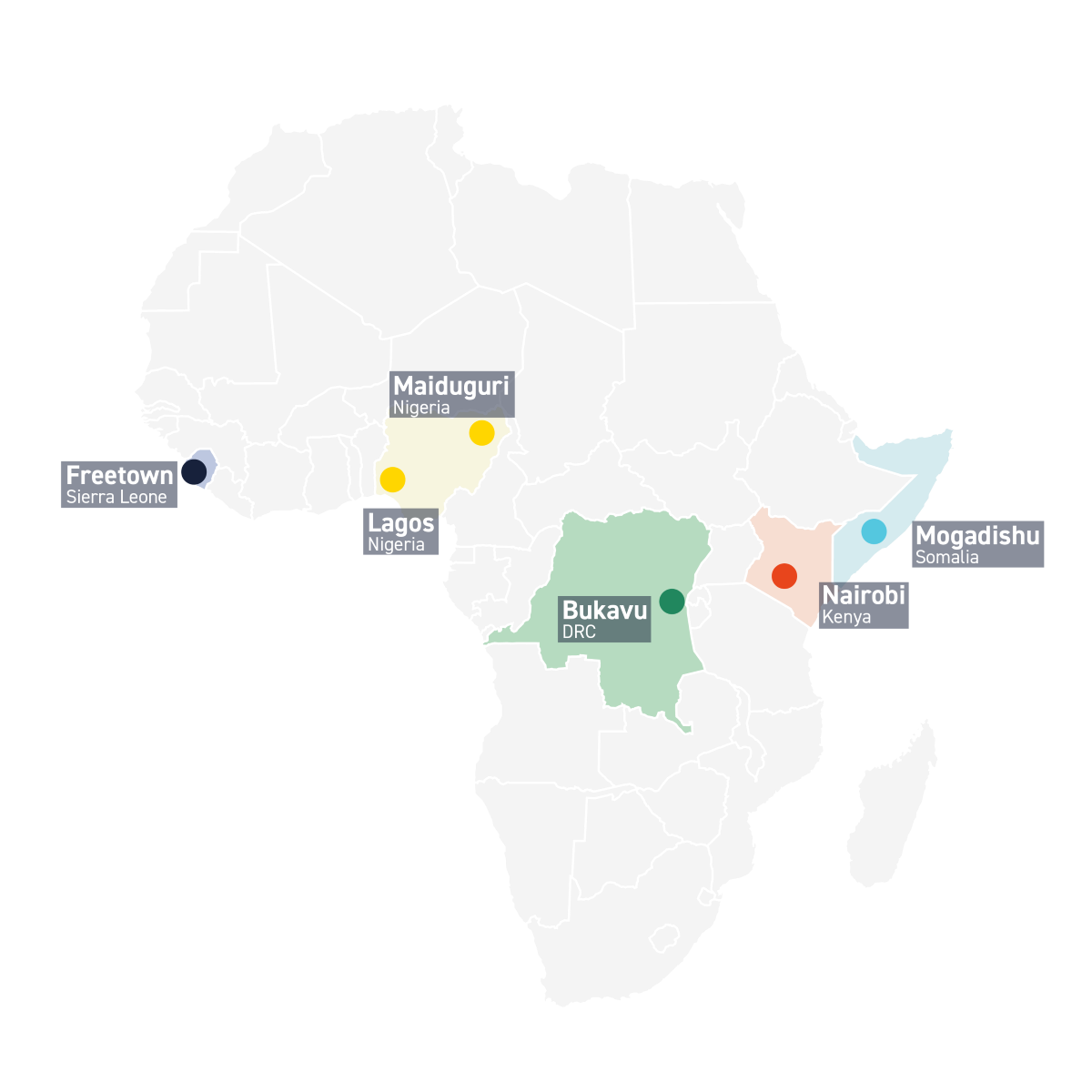
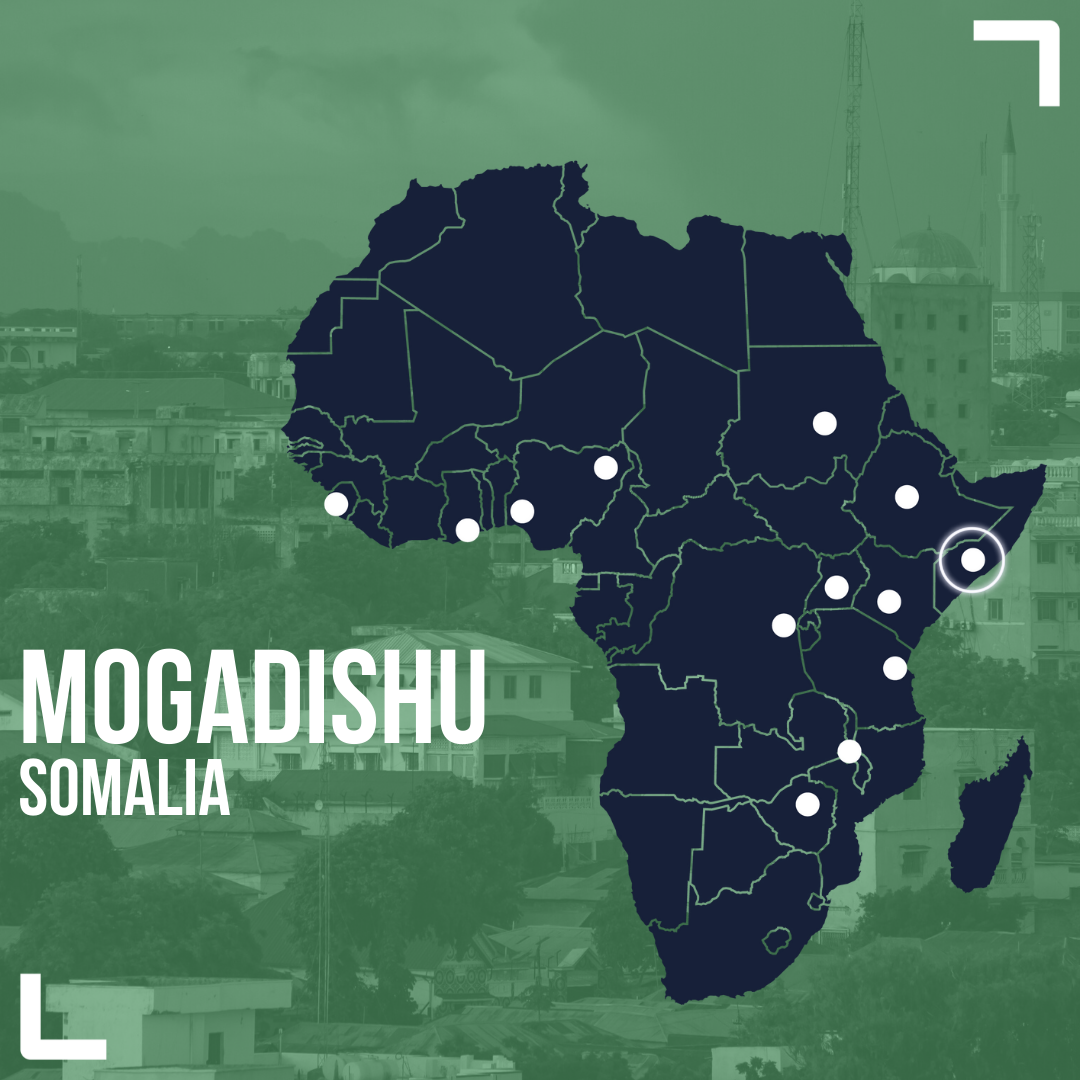
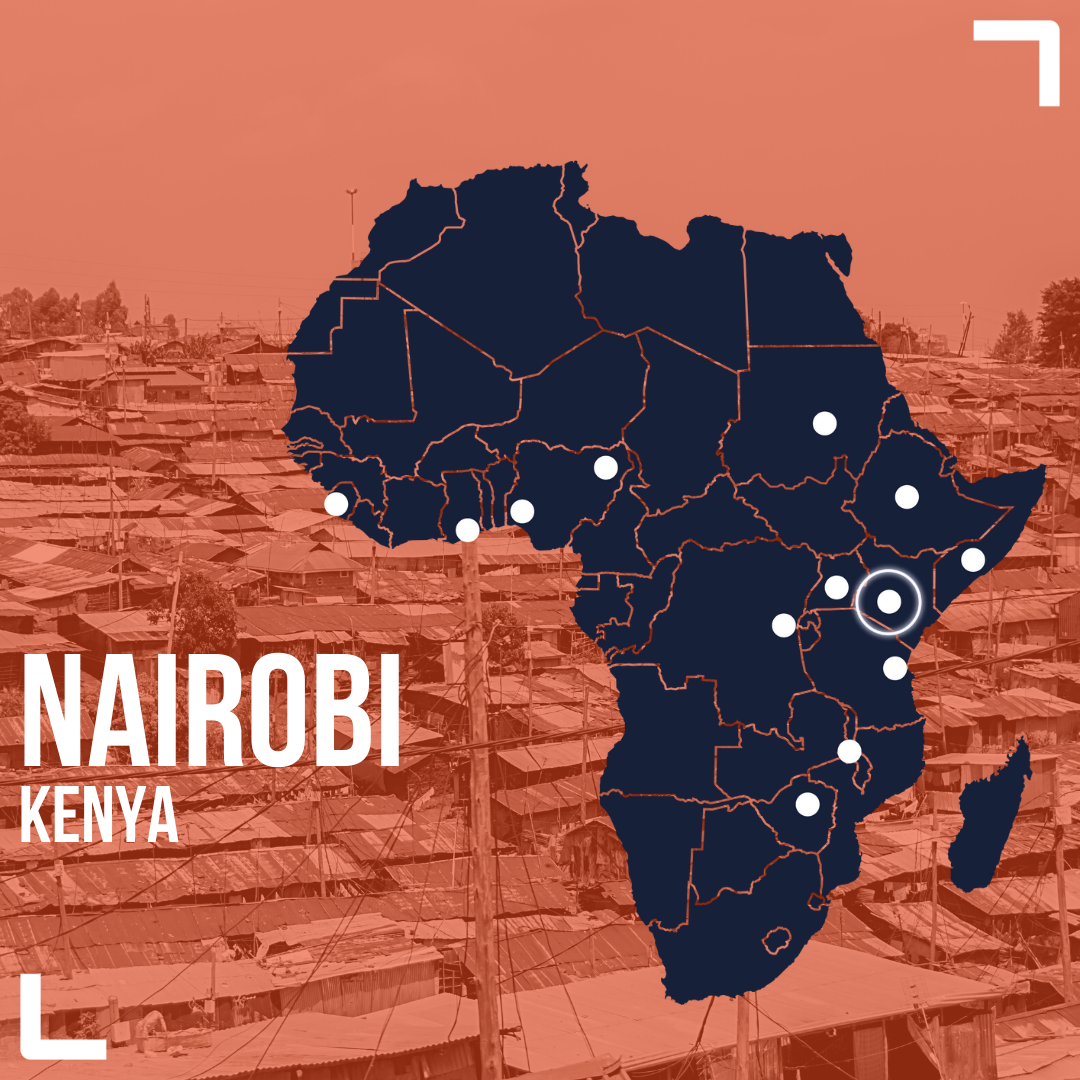
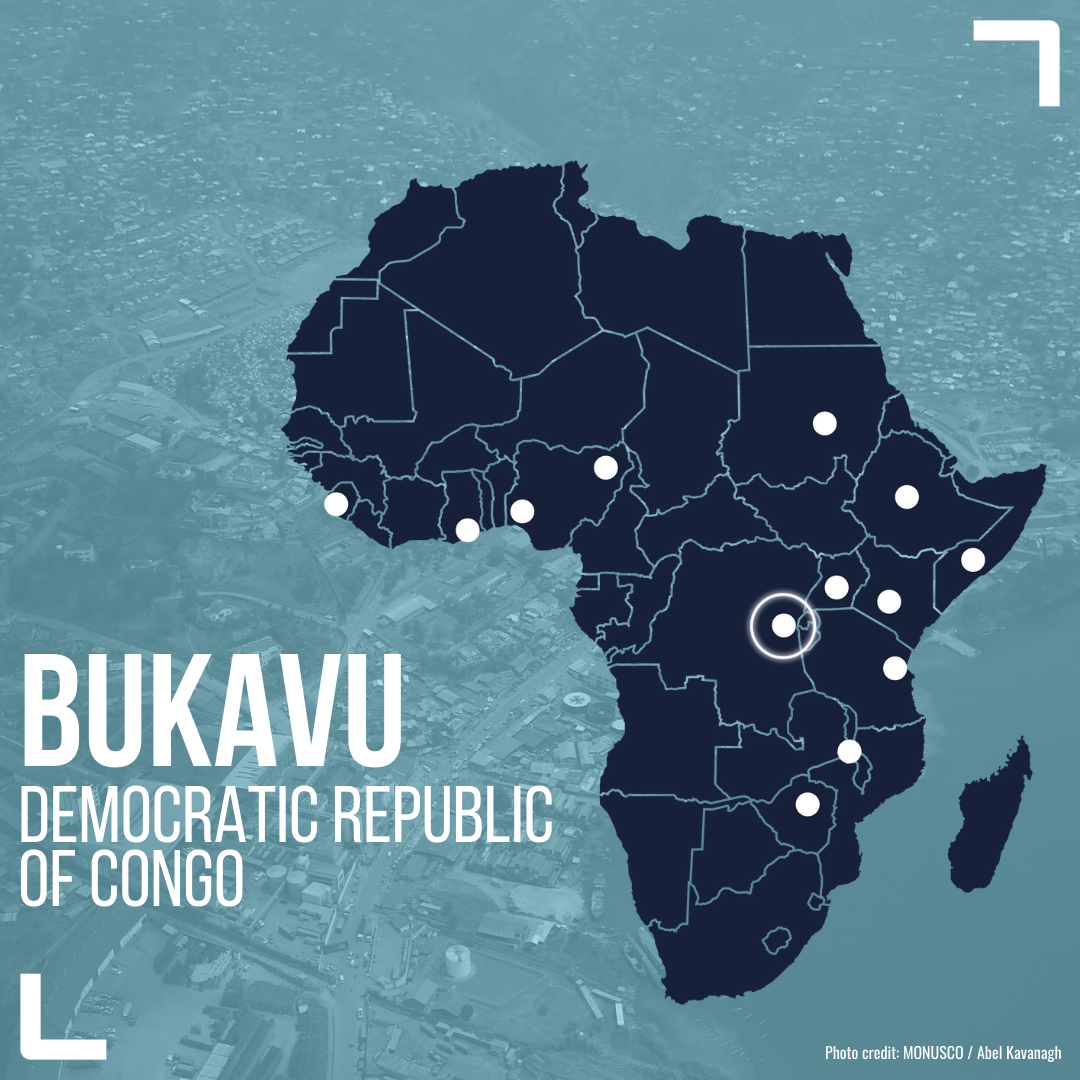
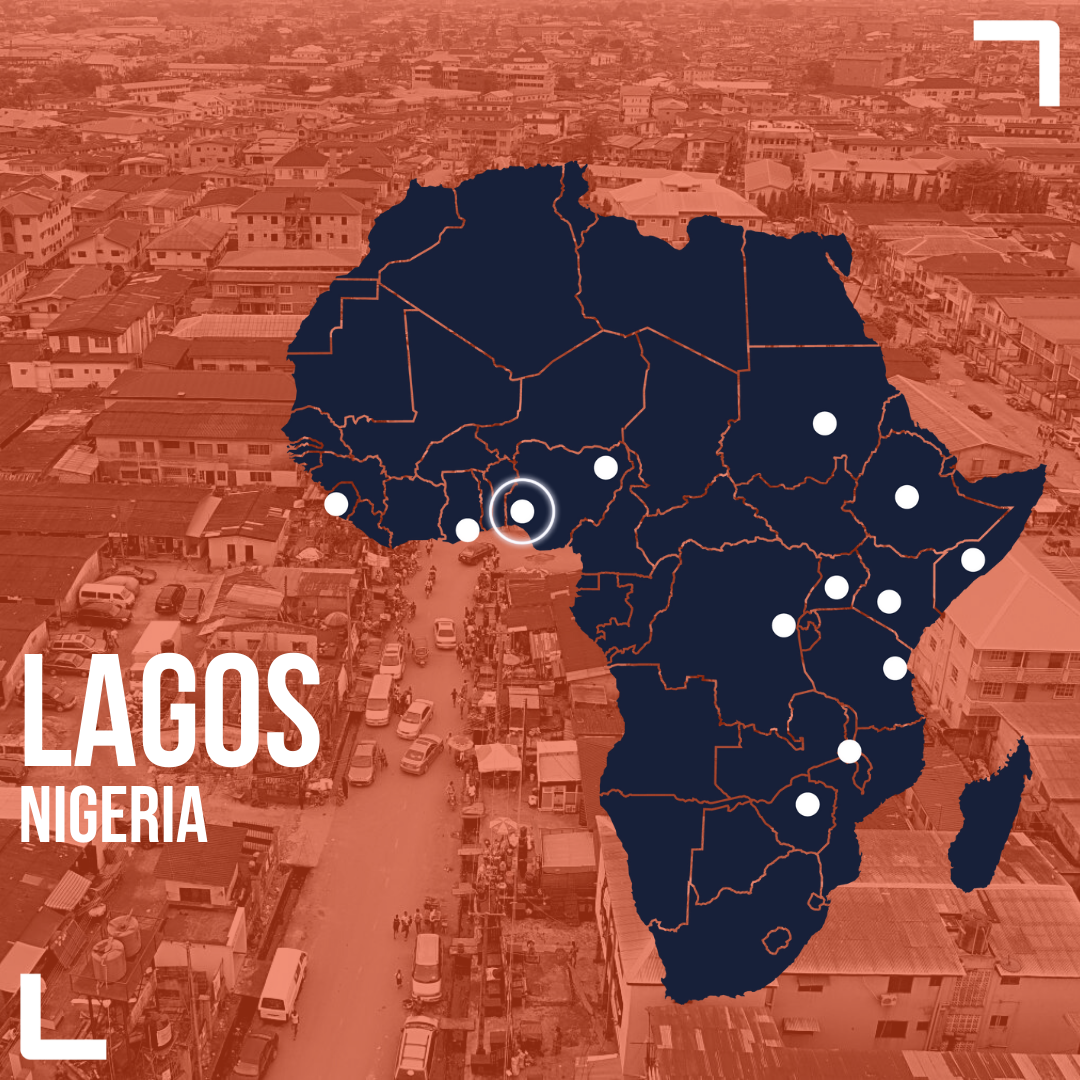
Within the safety and security domain, we are focusing on the following cities:
LATEST NEWS from ACRC
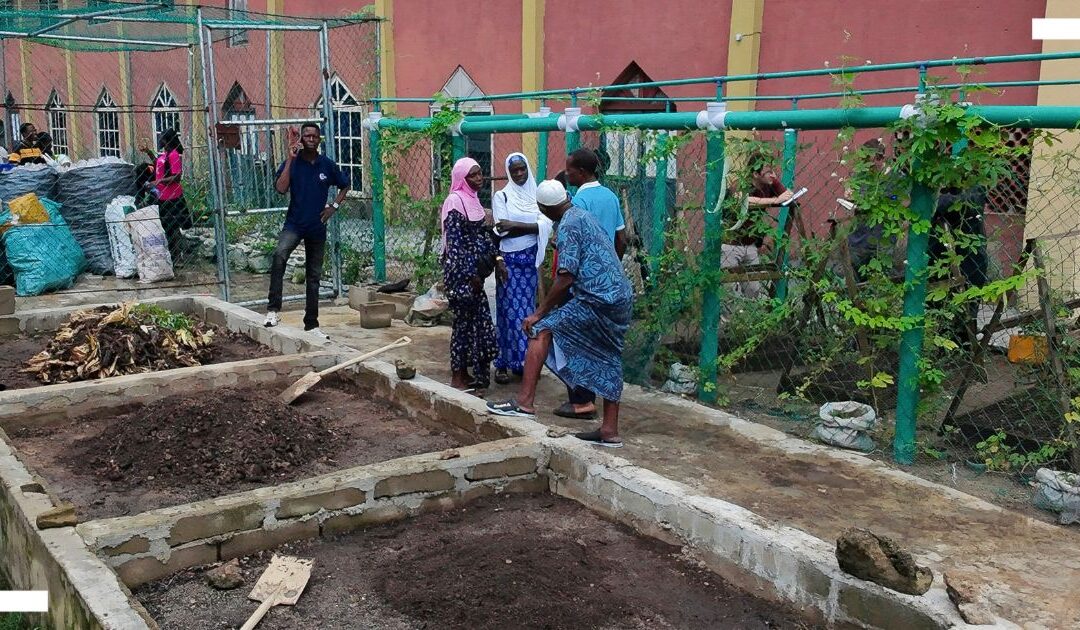
From Black Spot to Green Hub: Community Waste Management in Ajegunle-Ikorodu
What actually happens to the waste generated by households and vendors in an informal community where formal collection services do not consistently reach? Community members in Lagos answered that question by creating a community waste hub.
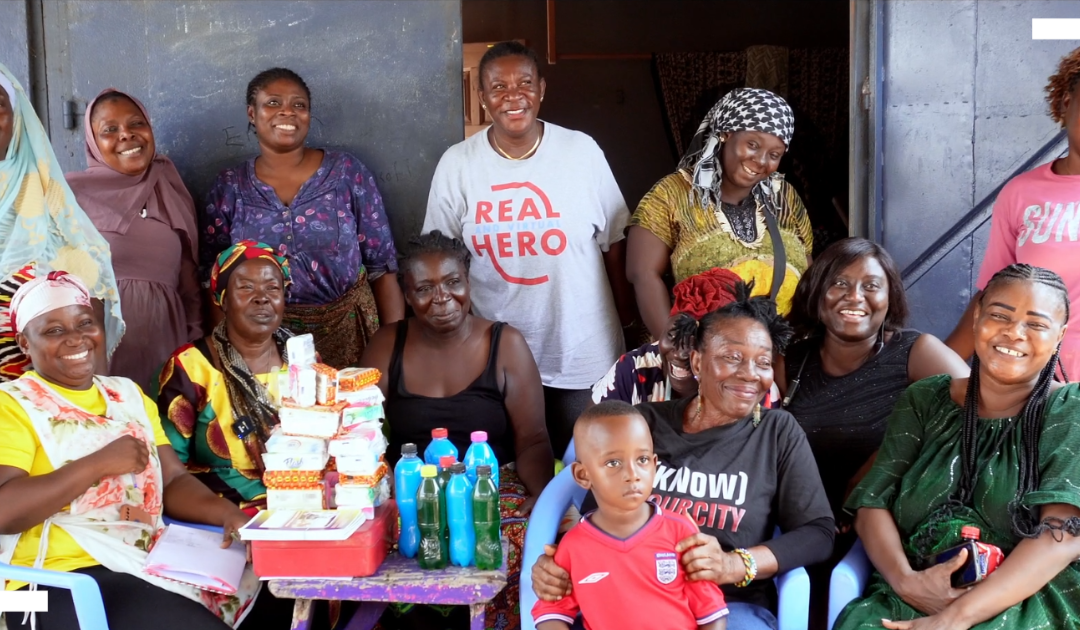
Waste, work and organising in Old Fadama, Accra
A new film, produced by the Know Your City TV team at SDI, gives a personal insight into the experiences of Hawa Dauda and her neighbours as they navigate daily life in Old Fadama, Accra.
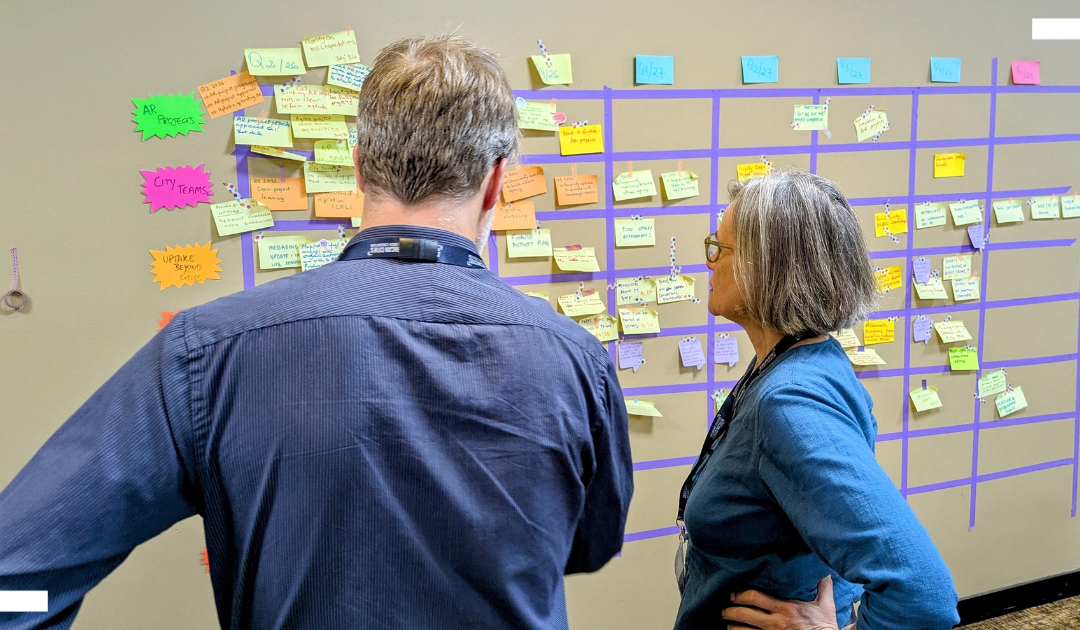
Get to know… Tom Goodfellow
Hear from ACRC’s CEO, Tom Goodfellow, as he tells us about how he got into urban development, what he finds most interesting about the ACRC approach, what African cities can do to drive progress, and more.