By the Heritage Institute for Policy Studies, as part of the ACRC Mogadishu transition project
An estimated 70% of Somalia’s population is under the age of 30. Young people living in the country’s capital city, Mogadishu, face a multitude of challenges – as explored in recent ACRC research.
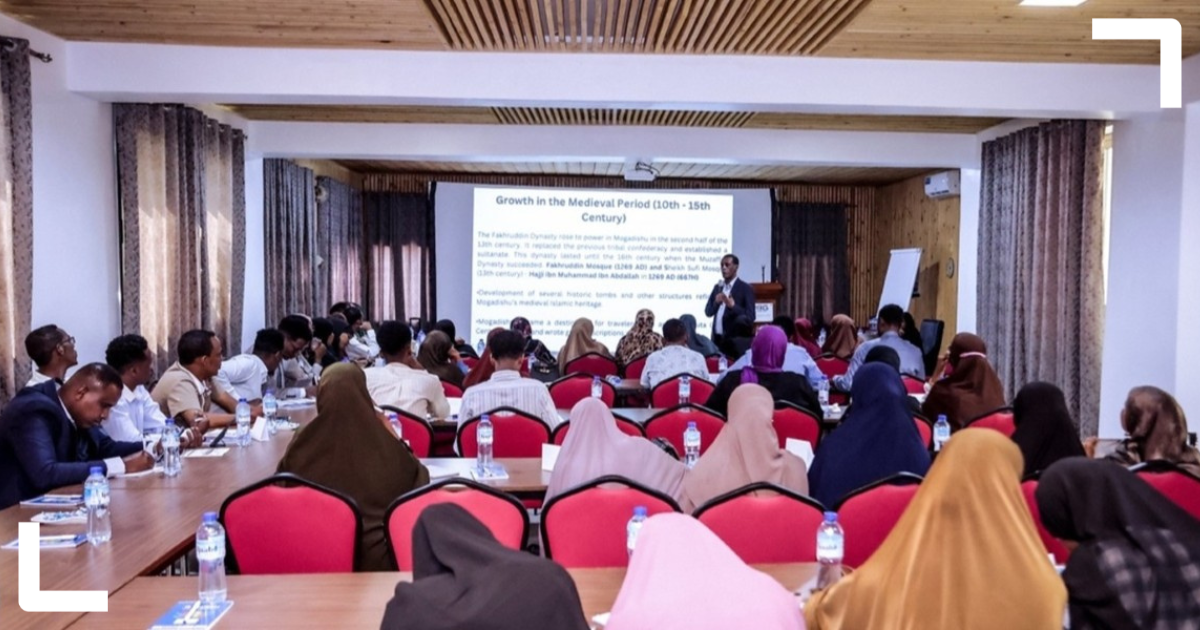
Building on ACRC’s research in the city, the Heritage Institute for Policy Studies organised a three-day workshop on “Empowering youth for civic activism and urban citizenship”, in collaboration with ACRC and the Somali Gender and Equity Movement (SGEM). It aimed to equip young civic activists with the skills and knowledge to become influential leaders and advocates for positive change in their communities.
Unpacking the challenges facing young people in Mogadishu
There are a number of systemic, structural and cultural drivers behind the challenges facing young people in Somalia’s capital. Generations have endured chronic violence and limited access to justice, with this prolonged exposure to violence having lasting impacts on young people. Conflict between the Somali state and al-Shabaab since 2006 has left young people frustrated that while the involvement of youth in violence is often highlighted, their potential as agents of peace is rarely spotlighted yet equally significant.
According to a survey conducted by the Heritage Institute for Policy Studies (HIPS), over 70% of respondents believed that unemployed youth are highly vulnerable to recruitment by violent groups. Notably, nearly 70% of survey respondents were themselves unemployed, citing the lack of job opportunities and inadequate skills as the primary reasons.
The HIPS report also found that unemployment rates are disproportionately higher among young women and girls, driven by a range of factors, including persistent socio-cultural norms that confine women primarily to domestic roles.
ACRC’s youth and capability development domain research in Mogadishu found there to be very limited political participation and empowerment of young people in the city, with a lack of frameworks, laws or designated seats to guarantee involvement or representation at any level of government – federal, regional or local. A scarcity of national youth organisations, advocacy groups or coordinated movements was also highlighted.
Young people – especially women – are often sidelined during crucial political discussions and decision-making processes, while traditional governance models – dominated by clan elders – also tend to exclude youth and women from participating.
Empowering young leaders in the city
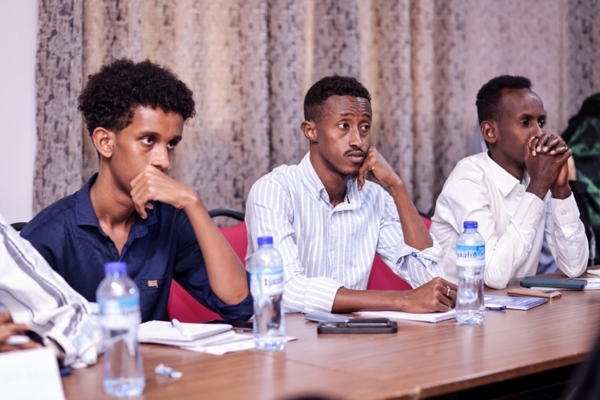
The “Empowering youth for civic activism and urban citizenship” workshop brought together more than 50 youth leaders, civic activists and volunteers, with a focus on leadership, advocacy, urban governance and digital activism. The organisers prioritised interactivity and inclusivity, with panel discussions, open Q&As, breakout sessions, group work and role-play exercises fostering opportunities for the youth participants to share knowledge and experiences. Expert speakers from institutions and organisations including HIPS, the Somali Public Agenda and SGEM led the sessions.
Each day of the workshop centred on a core theme: foundations of urban citizenship and governance; developing civic activism skills; and advocacy, lobbying and durable solutions.
Day 1: Foundations of urban citizenship and governance
The workshop opened with remarks from Deka Abdullahi, deputy director of management and operations at HIPS. She outlined the key objectives of the workshop and highlighted the importance of equipping young people with valuable skills, knowledge and insights to contribute to their personal and professional development.
The first two sessions of the workshop were then delivered by Professor Afyare Elmi, former executive director of HIPS, who led ACRC’s research in Mogadishu. Beginning with a focus on the city’s history and governance, he shared insights into Mogadishu’s historical and political significance with the participants, instilling a sense of pride in the city’s rich heritage.
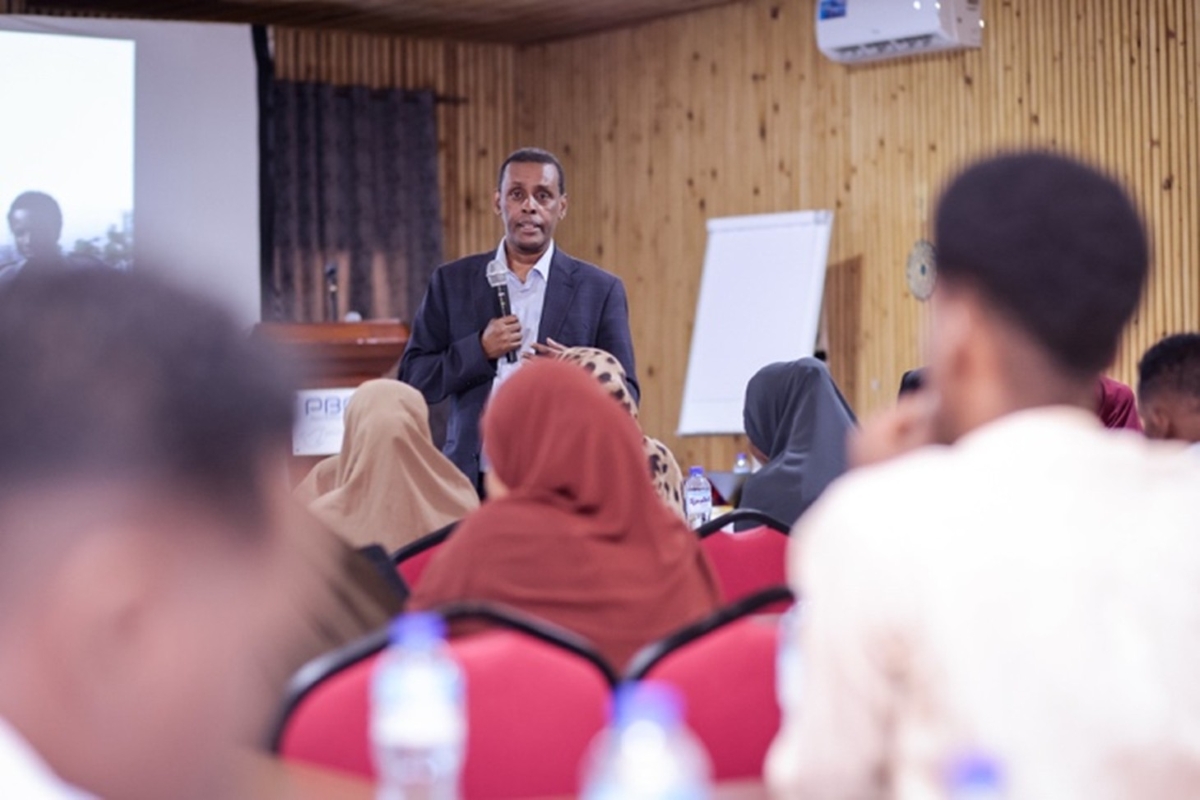
Afyare highlighted Mogadishu’s significant democratic shifts, along with some of the major challenges facing the city today – including corruption. He emphasised the need for reform and transparent systems to address issues with stalled developmental progress, governance, inefficiencies and a lack of trust in leadership.
During the session’s interactive components, the youth participants shared concerns around their lack of representation under the 4.5 clan power-sharing model, as well as their perspectives on the role of young people in upcoming elections. Along with expressing a strong sense of responsibility and excitement about the potential of proposed election reforms, they discussed how youth can contribute to ensuring transparency, accountability and fair representation during the electoral process.
The final session of the first day was delivered by Mohamed Hajir, political pillar coordinator at the Ministry of Interior, Federal Affairs and Reconciliation, who emphasised the importance of equipping youth leaders to contribute meaningfully to the city’s governance. He explained the different city systems, such as water, electricity, housing and education. He highlighted that by equipping young people with knowledge and skills, and enabling them to understand and actively engage with social systems, they could play a more meaningful role in shaping Mogadishu’s future.
Day 2: Developing civic activism skills
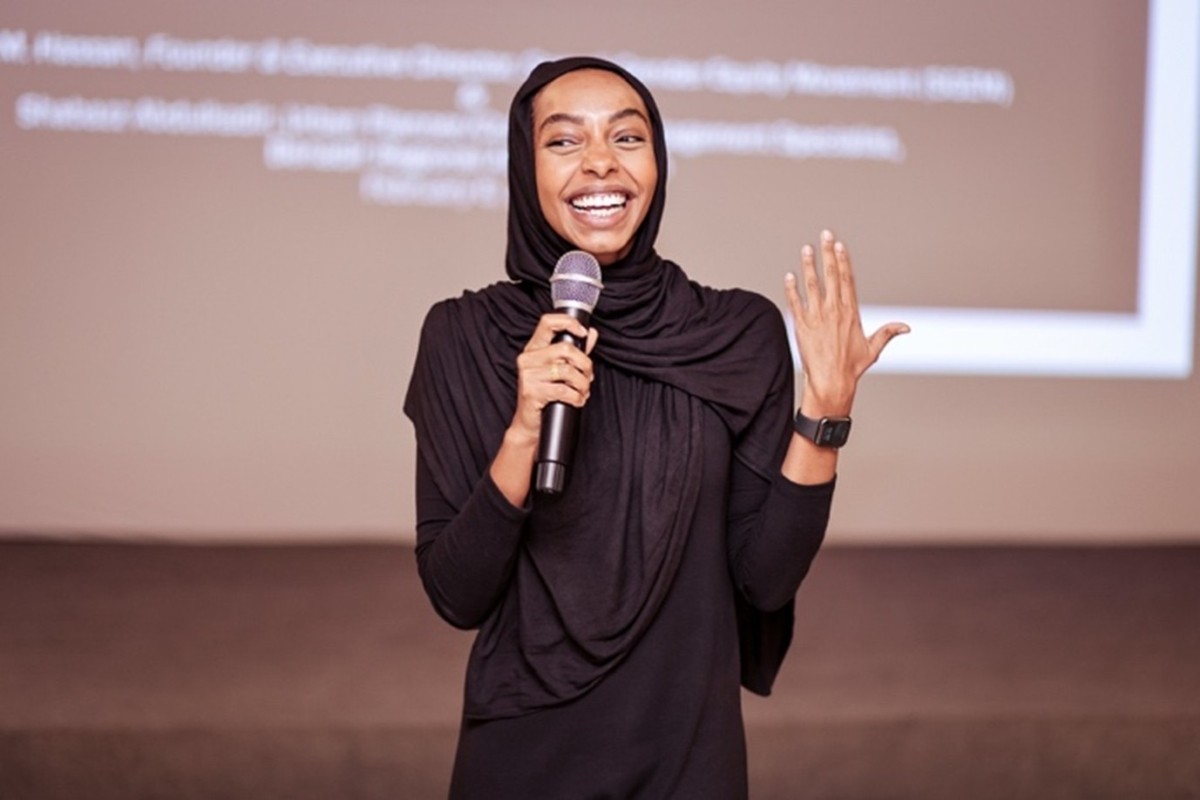
After an introductory exercise that encouraged participants to consider what type of leader they are, Zainab Hassan, founder and executive director of SGEM, and Afyare Elmi led the group in exploring key aspects of leadership. Highlighting the significance of self-reflection, integrity and responsibility, they shared insights and real-life examples with participants about the skills and mindset needed to become future changemakers.
“Before this, I didn’t think about what kind of leader I am. When I see my personality result, I understand more how I can help my community. Maybe I don’t talk too much, but I listen, and that entails leadership.”
– Female participant
Social media specialist Ali Nur Salad then led a session on leveraging media for digital activism. Sharing his personal experience of being arrested for using social media to challenge government narratives and influence policymaking, he talked about how digital activism can amplify voices, raise awareness and influence sociopolitical outcomes. An interactive discussion then covered a range of practical strategies – such as crafting compelling messages and building online coalitions to engage with diverse audiences. Participants also presented their own ideas on how to use platforms like TikTok to share the perspectives of underrepresented communities.
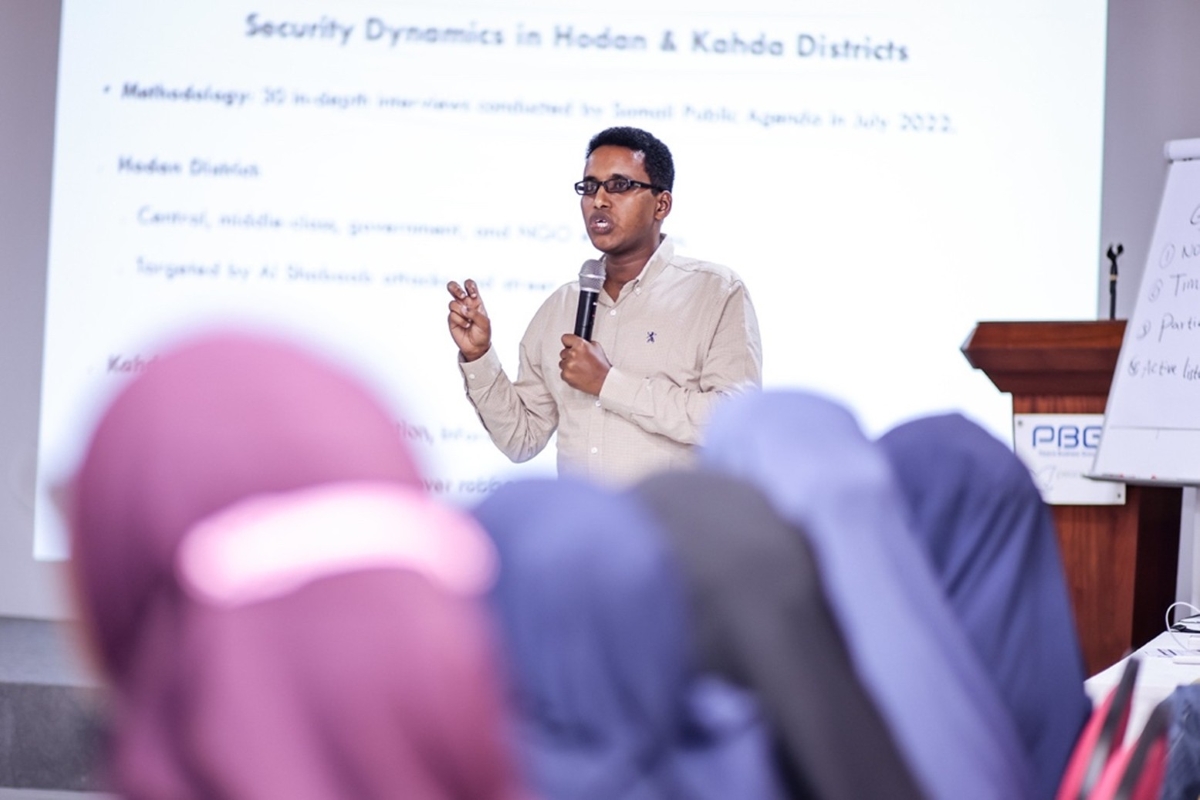
The day closed with a presentation from Mahad Wasuge, director of the Somali Public Agenda, who provided a detailed analysis of the security situation in Mogadishu and specifically youth gangs, followed by a summary of the key takeaways from Zainab Hassan.
Day 3: Advocacy, lobbying and durable solutions
The final sessions were designed to help the youth participants develop their knowledge and practical skills in civic engagement, advocacy campaigns and durable solutions for internally displaced people (IDPs). After a review of the discussions so far by Afyare Elmi, Zainab Hassan presented on civic rights and responsibilities – emphasising the role of young people in advocating for change, the importance of civic duty, and how effective leadership can drive social transformation.
Zainab Hassan and Shabaz Abdulqadir, a planning and development specialist, then led a session on advocacy and lobbying, examining core principles and practical strategies, and highlighting the importance of well-structured campaigns in influencing policy decisions. Building on the strategic framework provided by the facilitators, the youth participants then applied these strategies in their own group exercises, crafting policy proposals and practicing persuasive communication techniques.
“Shabaz’s session made me realise I can be a role model in my neighbourhood by educating others about their rights.”
– Female university student
Abdi Ismail Samatar, a Somali scholar and current senator in Somalia’s Upper House, also delivered a lecture on the role of youth in state-building and the critical contributions young people can make in a volatile region.
Mohamed Hajir led the final session of the workshop, looking at the challenges faced by people living in informal settlements and IDP camps in Mogadishu. Four young researchers who have conducted research among the city’s IDP communities also shared their insights and reflections.
The workshop ended with closing remarks from Abdirashid Ismail, deputy director of research, development and innovation at HIPS, who emphasised the crucial role that urban citizenship and civic activism play in shaping Mogadishu’s future. He also highlighted how the skills developed during the workshop would help empower the young leaders to take on active roles in their communities.
Beyond the workshop
All in all, the workshop provided an effective platform to increase civic awareness and provide a stronger sense of responsibility among the youth participants – particularly regarding their rights and roles as young, urban citizens. They were not only supported in developing advocacy, leadership and digital activism skills, but also in fostering stronger networks among other young people, youth organisations and community stakeholders – laying the groundwork for ongoing collaboration.
Beyond the workshop, the organisers identified a need to create ongoing engagement platforms where young people in Mogadishu can build their skills and knowledge – such as online forums or mentorship programmes. In addition, strengthening partnerships with local authorities could help to ensure that youth initiatives align with broader governance reforms and have a lasting impact on the community.
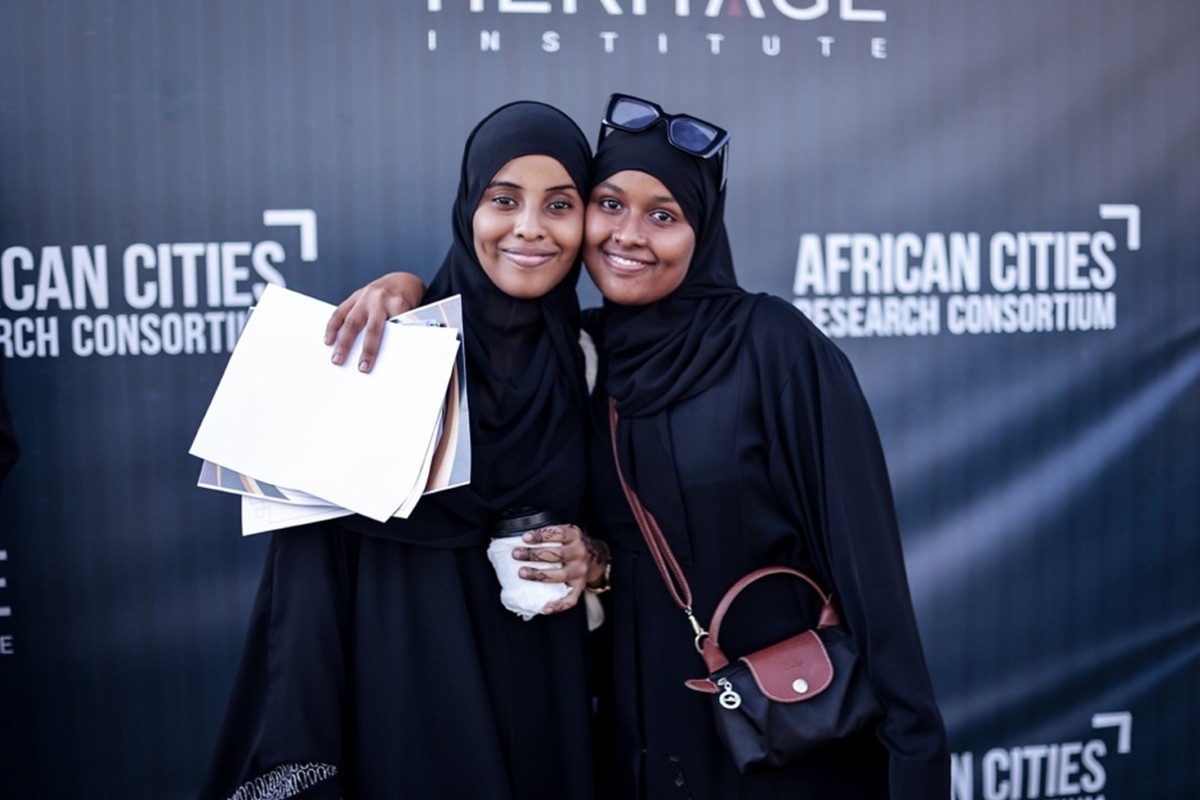
Photo credits: Zakariya Abdulkadir
Note: This article presents the views of the authors featured and does not necessarily represent the views of the African Cities Research Consortium as a whole.
The African Cities blog is licensed under Creative Commons Attribution-NonCommercial-NoDerivatives 4.0 International (CC BY-NC-ND 4.0), which means you are welcome to repost this content as long as you provide full credit and a link to this original post.
