By Farouk Braimah, Robert Afutu-Kotey and Hamza Bawa Mahama
Around 60% of Accra’s residents live in informal settlements characterised by inadequate infrastructure for solid waste management. Rapid urbanisation has outpaced the city’s ability to deliver essential services, resulting in a waste crisis that is both visible and extensively documented.
This manifests in accumulated heaps of discarded textiles, stockpiles of hazardous electronic waste, widespread plastic pollution, and a rising incidence of urban flooding due to blocked drainage channels. At the same time, thousands of informal workers remain economically dependent on the collection, sorting and processing of this waste for their livelihoods.
City‑wide, Accra generates roughly 1,500 tonnes of solid waste per day, yet only about 55% of this is collected. The unplanned nature of informal settlements makes it difficult for formal waste collection and city authorities to provide them with waste collection infrastructure and services. Waste disposal is often indiscriminate, with large volumes entering the lagoon or being burned in situ.
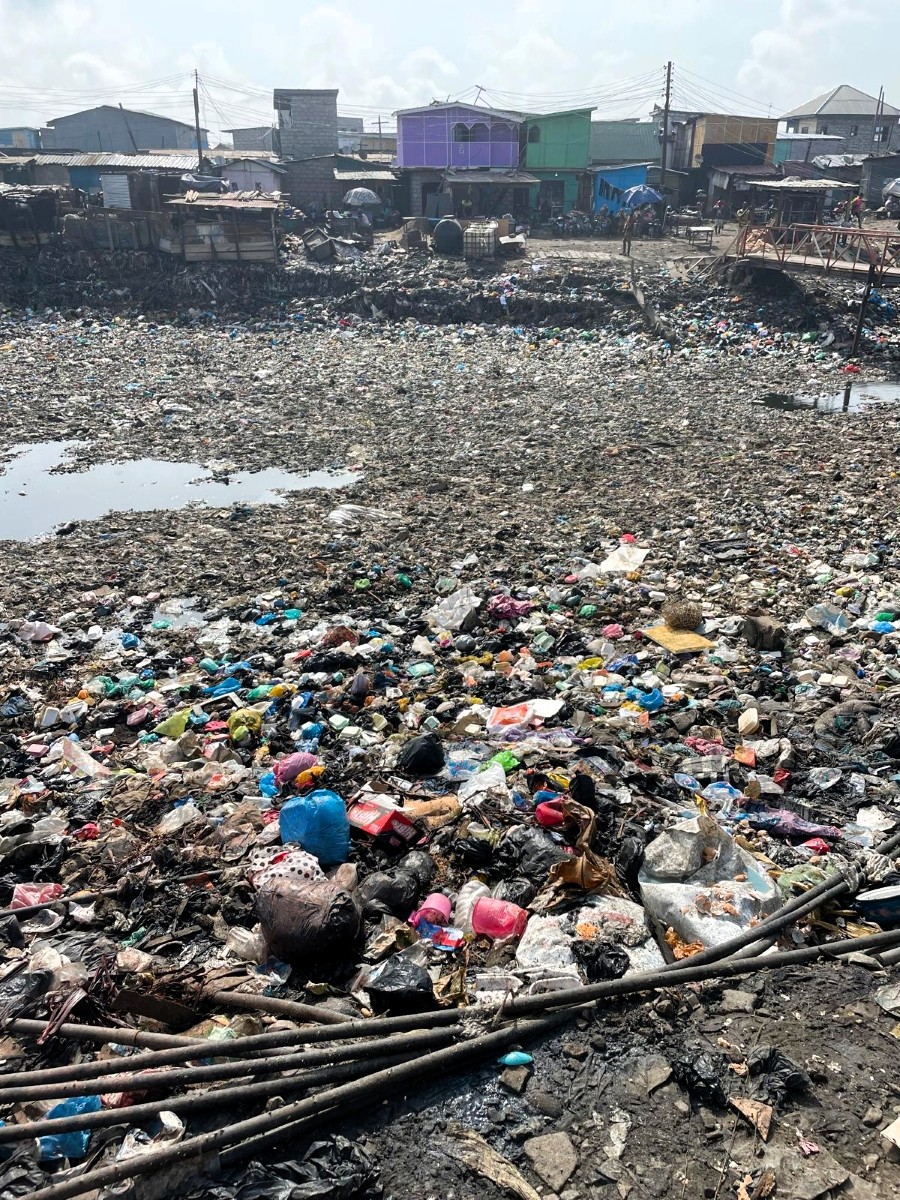
Waste pollution in Accra
In Accra, ACRC is conducting two action research projects aimed at addressing the city’s solid waste management challenges. Led by People’s Dialogue, these initiatives focus on separate but interconnected parts of the city’s waste value chain: establishing a women-led composting facility in Old Fadama and facilitating the formation of a new cooperative of informal tricycle operators to strengthen their capacity.
This blog post explores how these initiatives are seeking not only to improve waste management in Accra, but also to produce organic compost for growing healthy foods, to enable and test frameworks for separating household and market waste at source and, in the process, divert organic waste from landfill (thereby reducing methane emissions). This critical work is also providing livelihoods and opportunities for the informal workers involved.
Women‑led zero waste cooperatives
ACRC’s first waste-focused action research project in Accra is exploring how women‑led zero waste cooperatives can provide a scalable, community‑driven solution to improving waste management in informal settlements, while also creating economic opportunities.
The initiative – a collaboration between the Accra Metropolitan Assembly (AMA), the Ghana Federation of Urban Poor (GHAFUP), People’s Dialogue, community stakeholders and researchers – is in Old Fadama, one of Accra’s largest informal settlements. Situated along the Odaw River, on the upper reaches of the Korle Lagoon, Old Fadama is home to more than 120,000 people. Residents live in densely packed structures with inadequate sanitation, drainage and access routes.
A key part of the project is establishing the Old Fadama Women‑Led Zero Waste Cooperative Society, which is providing women with employment as well as being a pioneering model for community‑run organic composting and circular‑economy entrepreneurship in Ghana.
Why women and why zero waste?
Women already play a major but undervalued role in waste management in Accra. They lead household waste segregation, dominate sorting roles within the informal sector, and provide essential labour across recycling value chains. But their contributions are often overlooked and rarely lead to sustained income.
The women‑led cooperative model aims to directly address this gap. It builds on GHAFUP’s community-led waste management projects (CLEWAMPs) and longstanding women’s savings groups, which are widely recognised as effective platforms for mobilisation, leadership development and community advocacy. In Old Fadama, five such savings groups – each with around 15 members – form the foundation of the new cooperative. The model provides women with opportunities to build entrepreneurial capacity, gain leadership experience and access new income streams.
A community‑driven waste‑to‑compost enterprise
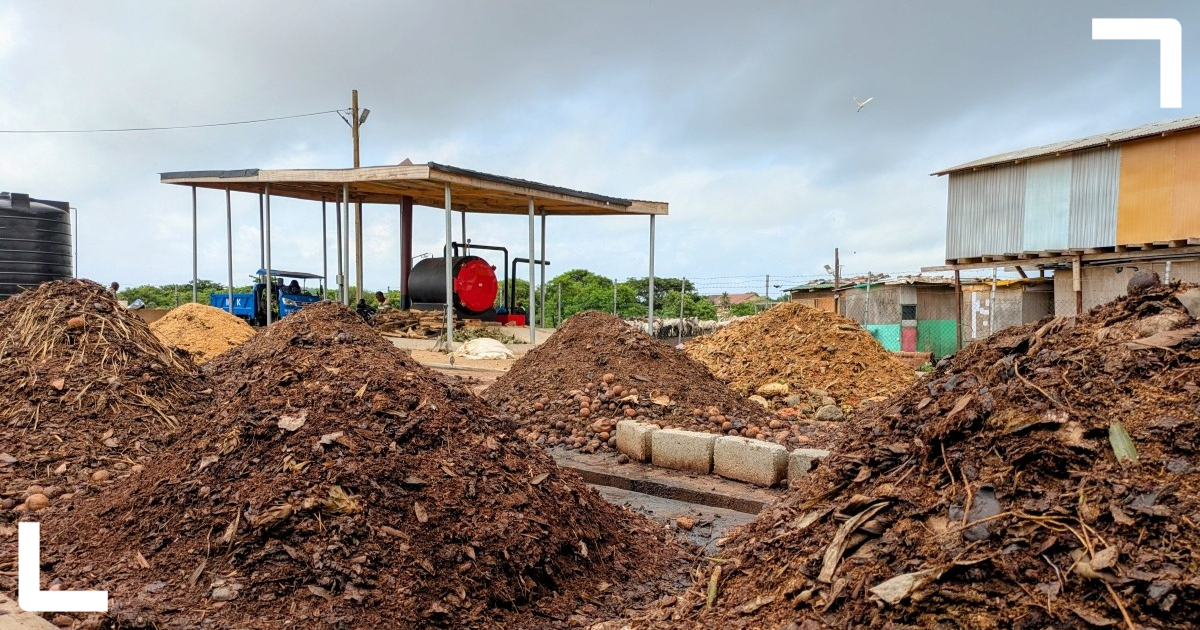
A ten‑tonne‑per‑day community composting facility has been constructed in Old Fadama to house this initiative, in partnership with AMA. Organic waste from households and the adjacent Agbogbloshie market will be collected through locally appropriate systems, including tricycles and door‑to‑door pickups, accompanied by sensitisation campaigns to promote source separation.
Using aerobic digestion techniques and pyrolysis, the facility will convert organic material into high‑quality compost, which will then be sold through a range of channels – including farmer‑based organisations, horticulture and landscaping associations, urban agriculture groups and individual buyers. Additionally, the project is testing the production of premium organic compost through the introduction of biochar into the higher quality organic compost. The initiative is also exploring access to voluntary carbon markets to diversify revenue and reduce methane emissions, thus linking local waste diversion efforts to global climate mitigation.
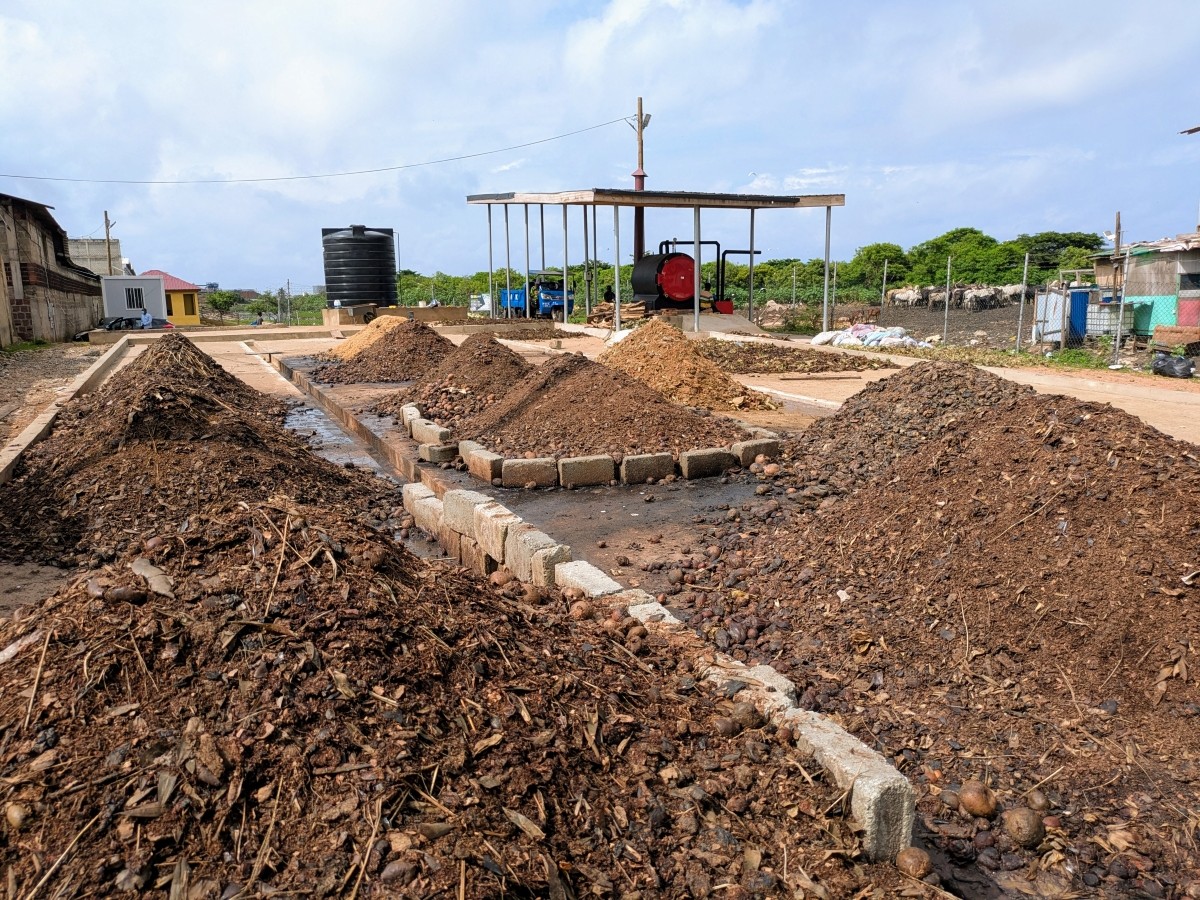
The composting facility in Old Fadama
Building coalitions for urban reform
The initiative is grounded in the ACRC theory of change, which emphasises reform driven by mobilised citizens, strong coalitions, committed political actors and capable state institutions. The project brings together:
> Residents and households, providing segregated organic waste.
> OFADA (Old Fadama Development Association), supporting engagement, advocacy and oversight.
> Informal waste collectors, recognised as critical actors in the value chain.
> AMA, providing land, regulatory support and alignment with city strategies.
> National ministries, including the Ministry of Local Government, Chieftaincy and Religious Affairs, Ministry of Gender and the Environmental Protection Agency, ensuring decentralized waste management, gender‑responsive, environmentally sound governance.
> Farmer‑based organisations, essential for market linkages and uptake of compost products.
These actors will collaborate through learning alliances, stakeholder platforms and advocacy networks aimed at wider policy reform – including pushing for open tendering systems accessible to small‑scale service providers, integrating informal waste workers into formal systems, through waste concessions and securing municipal support for community‑run waste infrastructure.
Action research: Learning through doing
The action research team has conducted a baseline study, analysed regulatory frameworks, evaluated organic composting technologies and is now testing behaviour‑change strategies, developing market pipelines and strengthening cooperative governance. The process is iterative and collaborative, with actors and community researchers playing a central role.
Findings will inform city‑level policy, regulatory reform and future investment in community‑led waste systems, building an evidence base for scalable models across Accra and other urban centres.
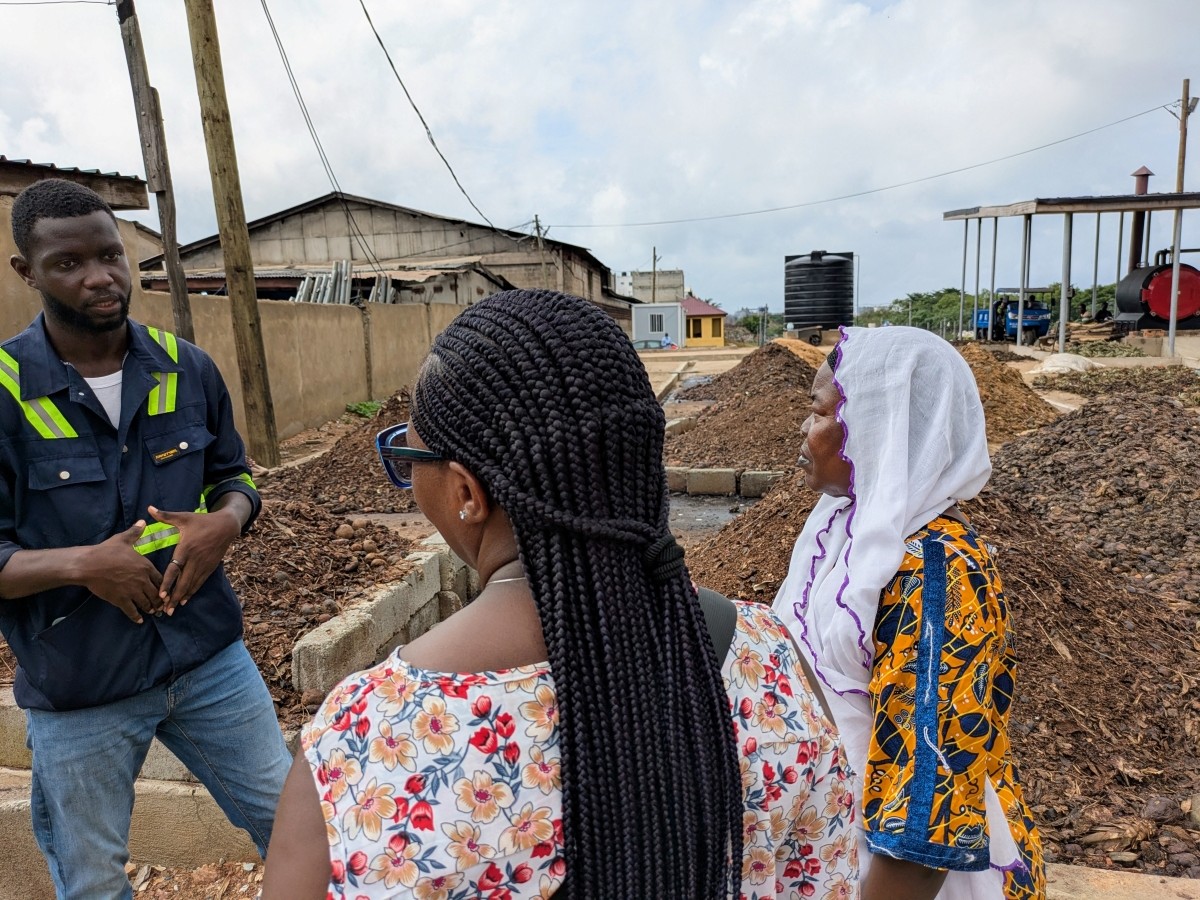
Members of the composting cooperative at Old Fadama
Collectivising informal motorised waste operators
ACRC’s second action research initiative in Accra centres around the need for formal recognition of informal motorised waste operators, to drive a more responsive and decentralised urban waste system.
Accra’s labour force is 80% informal, with and informal workers collecting over half of all urban waste – even higher in informal settlements. Yet institutional arrangements remain exclusionary, as waste contracting requirements are outside the reach of informal and small-scale providers. This mismatch between policy design and urban reality has entrenched inefficiencies and deepened inequalities, leaving low‑income communities underserved.
This action research project has been developed through participatory engagement with young people working in Accra’s informal waste sector. Its goal is to support the organisation of motorised waste operators, strengthen their collective voice and facilitate their integration into an inclusive and decentralised urban waste landscape.
The paradox of the Aboboyaa
Motorised tricycle operators – widely known as Aboboyaa or “Borla taxis” – have become the de facto waste transporters for many of Accra’s informal settlements. In dense neighbourhoods like Nima, Chorkor and Agbogbloshie, where large refuse trucks cannot manoeuvre down narrow streets, tricycle operators provide an essential door‑to‑door service.
Yet these frontline workers operate under precarious and often criminalised conditions. They face regular harassment, lack legal identity within the city’s regulatory framework and are de facto excluded from municipal waste contracts. Many tricycle operators are migrants to the city, which compounds their precarity. Their marginalisation persists in a political economy dominated by a small number of large private waste firms that capture most public resources while informal actors – especially youth – remain peripheral.
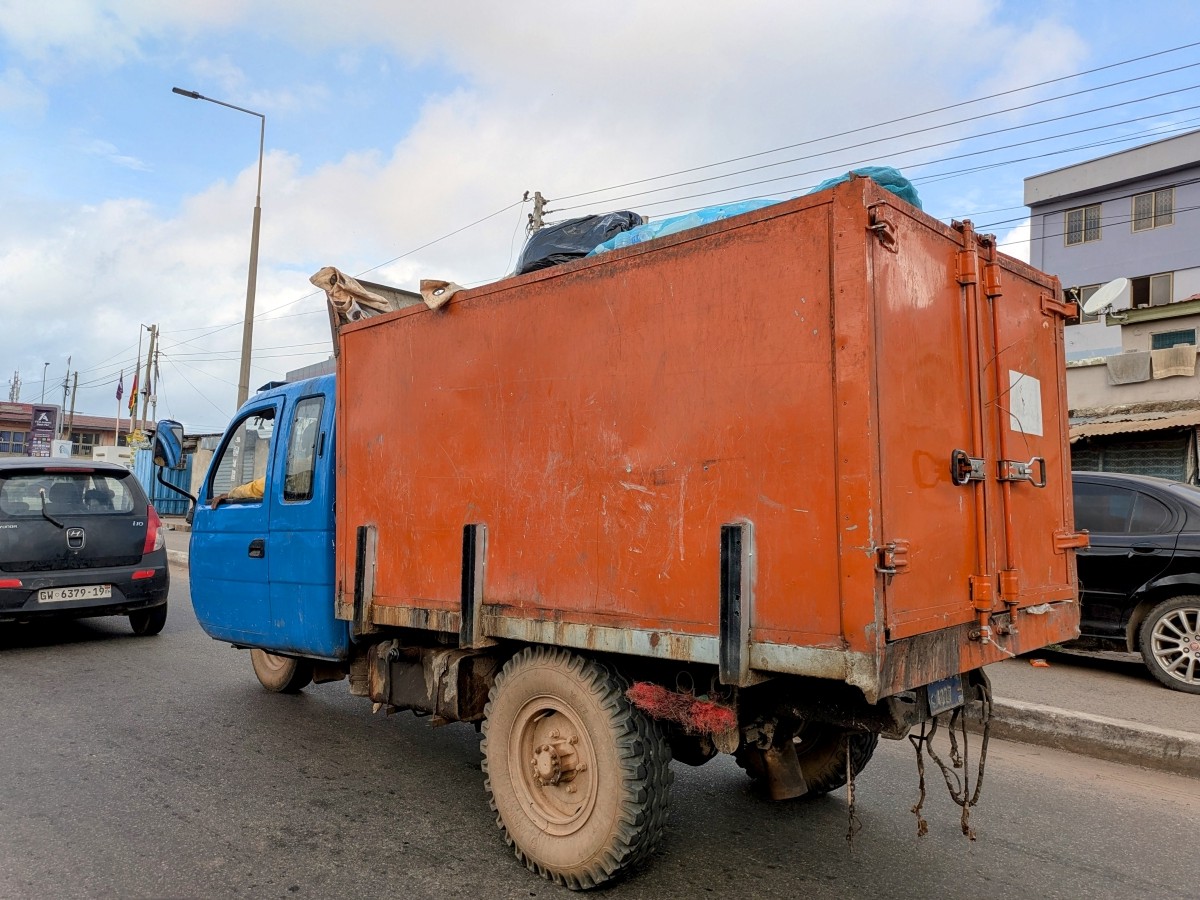
A borla taxi in Accra
Federating as a catalyst for co‑production
The action research project aims to form and build Borla Taxi and Tricycle Cooperatives and collectivise informal waste workers and small-scale service providers as transformative tools for addressing this imbalance. Organising into associations and cooperatives, such as through the Borla Taxi and Tricycle Association (BTTA), can give Aboboyaa operators the collective political power needed to shift entrenched practices:
1. Collective advocacy – An organised workforce can challenge AMA by‑laws, which currently grant de facto exclusive operating rights to a small group of registered large-scale contractors, and advocate for legal reforms that open service zones to embrace cooperatives.
2. Access to resources – Organised groups can leverage their collective identity to access soft financing, fuel subsidies and group purchasing schemes for safety equipment and spare parts – resources currently unavailable to most operators.
3. Co‑production of urban services – Rather than maintaining a top‑down service model, local governments can partner with unionised workers to co‑produce waste services. This allows the city to harness the agility, local knowledge and logistical flexibility of informal operators while providing regulatory oversight.
Expanding Accra’s green economy
Focusing on motorised tricycle operators offers a pragmatic entry point for policymakers interested in expanding Ghana’s green economy. These workers sit at a pivotal point in the waste value chain, often serving as the transport link between households and the women who sort and recover recyclable materials. They also provide employment opportunities for youth, many of whom are already engaged in recycling plastics, metals and organics.
This group also benefits from existing social visibility and well‑established informal communication networks, with the AMA‑supported Borla Taxi and Tricycle Cooperative Society demonstrating the potential of local government partnerships with informal workers, through offering training and logistical support. But for such initiatives to be scaled and sustained, they must extend beyond central Accra and address the bureaucratic barriers and deep‑seated mistrust that keep many operators informal.
Policy pathways forward
To build an inclusive and decentralised system, the study recommends targeted policy interventions, including:
> Procurement reform –Lowering the capital- and equipment-holding thresholds to allow informal cooperatives to bid for municipal waste management zones.
> Capacity building – Strengthening the AMA Waste Management Department’s ability to engage with informal groups and small-scale service providers through partnership, rather than enforcement.
> Legal recognition – Reforming sanitation by‑laws to formally embrace small-scale service providers and recognise motorised operator cooperatives as part of the city’s waste management infrastructure.
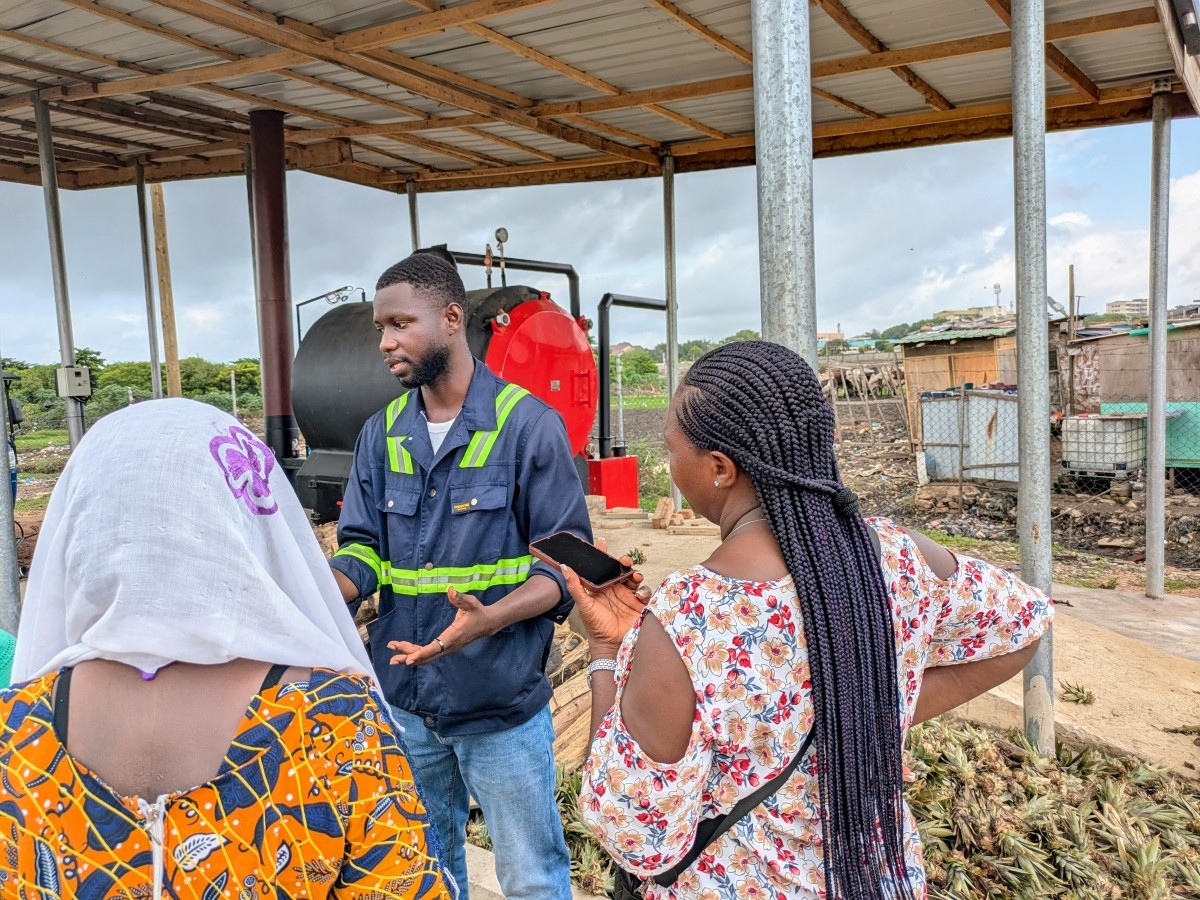
Explaining the biochar production process at the Old Fadama composting facility
Towards a more inclusive circular economy
The waste challenge in Accra is vast. These action research projects present inclusive, scalable and politically grounded approaches to improving waste management in the city’s informal settlements.
By strengthening community agency and bridging formal and informal systems, the organic composting cooperative initiative can transform Old Fadama’s waste challenges into opportunities that improve women’s livelihoods. And by federating Accra’s motorised tricycle operators, informal workers can be recognised and rewarded for the vital work they do.
Improving the city’s waste management is not just a win for communities and the environment, but a step towards a more inclusive and resilient urban future for Accra.
Photo credits: Chris Jordan, Diana Mitlin
Note: This article presents the views of the authors featured and does not necessarily represent the views of the African Cities Research Consortium as a whole.
Generative AI was used to help draft parts of this blog post: Microsoft Copilot was used to summarise key elements from the action research project proposals. These summaries were then reviewed and edited by the ACRC communications team, before being approved by the author.
The African Cities blog is licensed under Creative Commons Attribution-NonCommercial-NoDerivatives 4.0 International (CC BY-NC-ND 4.0), which means you are welcome to repost this content as long as you provide full credit and a link to this original post.
