
Urban markets in Harare
Urban markets are at the centre of life in Harare, providing livelihoods to thousands of people, supplying affordable goods and anchoring the city’s informal economy. Action research in the city so far has looked at improving infrastructure and strengthening trader capacity in the Glen View 8 Furniture Complex (GV8FC). The Pundutso Urban Markets Project (PUMP) is building on learnings from this initiative to support further market improvements across Harare, through creating institutional space for traders and the City of Harare to collaborate meaningfully.
In this blog miniseries looking at urban markets in Harare, the first post explores the City of Harare’s receding role in urban markets, this second one outlines priority actions for tackling fire risks in markets, the third takes a closer look at market sanitation, and the fourth reflects on contested market governance.
By Kudzai Chatiza
Urban markets are the economic heartbeat of Harare. They provide livelihoods to thousands, supply affordable goods and anchor the city’s informal economy. Yet, they are increasingly vulnerable to disasters, especially fires and flooding, whose impacts cascade through households, supply chains and urban governance systems.
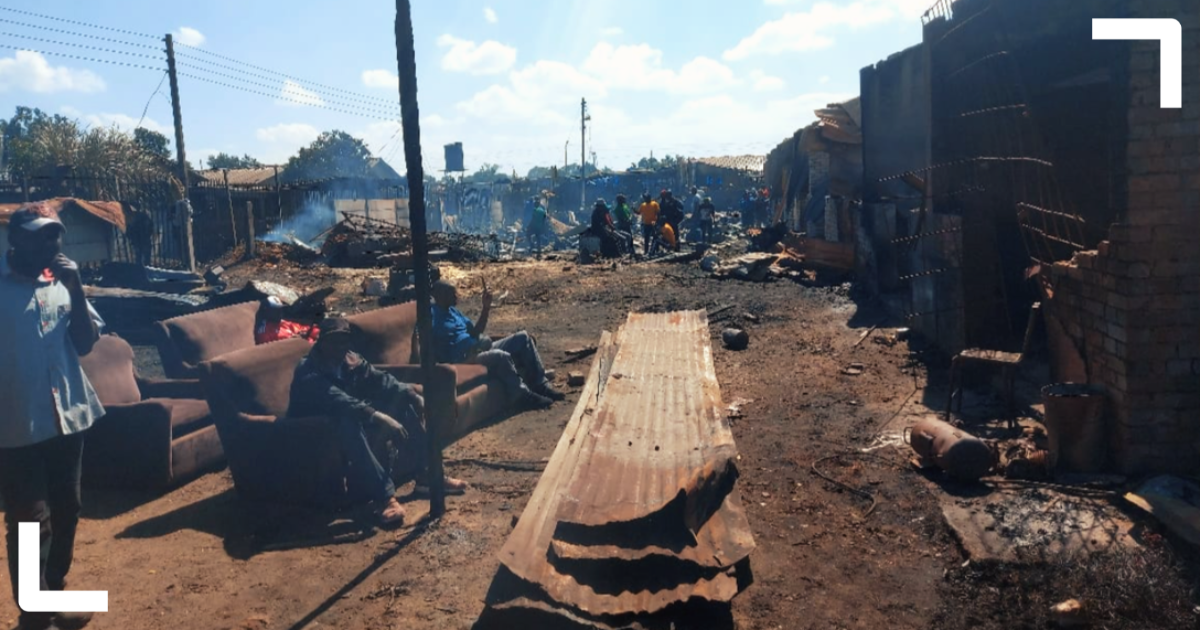
Over the past decade, disasters have become a recurrent feature of Harare’s main urban markets and home industry sites, underscoring the scale and persistence of risk in these critical economic spaces. Recorded data show that 19 fires occurred at just three markets and home industry locations between 29 July 2015 and 29 September 2024. The largest proportion occurred at Glenview 8 Furniture Complex (12 incidents), followed by Mbare Siyaso (five incidents) and Mbare Musika (two incidents).
High risk environments
Urban markets face high fire risk, due to overloaded or faulty electrical wiring, unsafe cooking practices and the presence of flammable materials. These risks are intensified by dense crowds, which can trigger panic, obstruct evacuation and hinder firefighting in emergencies.
Markets also experience regular seasonal flooding and the loss of agricultural and food produce, often linked to poor handling and inadequate infrastructure. These repeated incidents highlight that disasters at Harare’s markets are not isolated or exceptional events, but structural risks embedded in how these spaces are planned, serviced and governed. This raises urgent questions about how to prevent recurrence, rather than merely respond more effectively.
While emergency responses remain necessary, they are increasingly insufficient. Preventing the recurrence of disasters at Harare’s markets requires addressing the deeper governance and technical drivers of risk. This challenge, of managing large informal economic spaces, is one that many other African cities also face.
Understanding the risk landscape
Harare’s markets and home industries are mainly affected by fire and flooding. These hazards interact with exposure and the vulnerability conditions created by dense workspaces, inadequate infrastructure and fragmented management arrangements. Crucially, disasters in these markets are not “natural” events. They are shaped by how land is allocated, how infrastructure is designed and financed, and the everyday governance of these spaces.
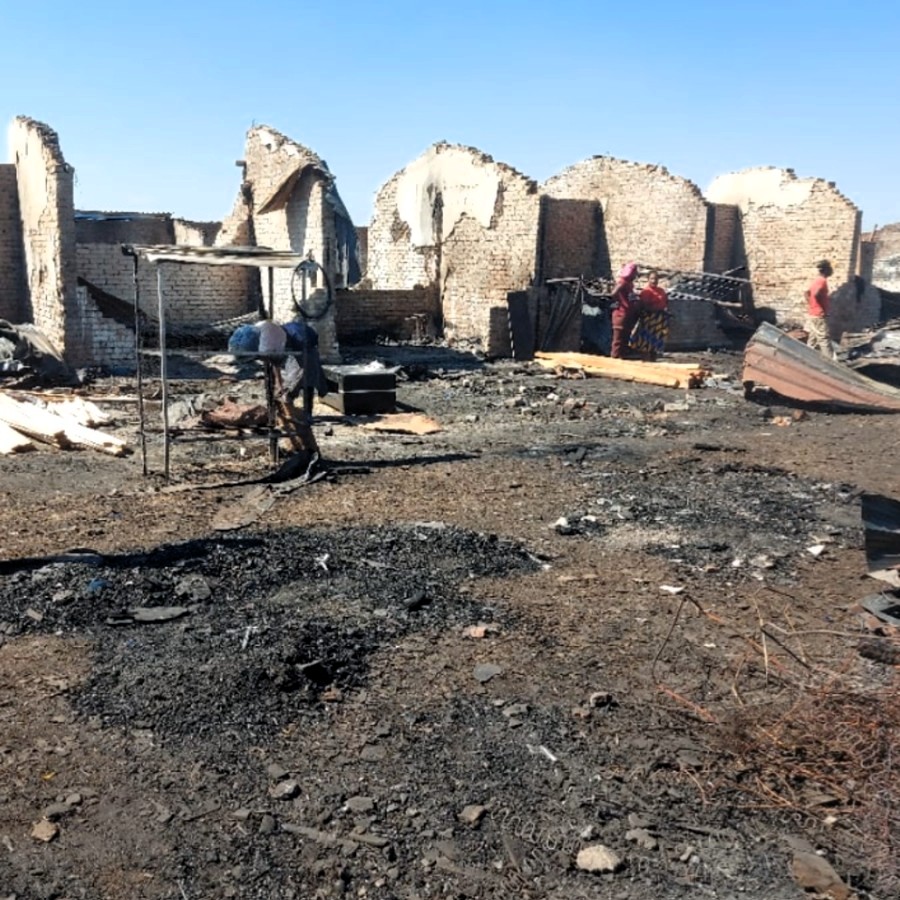
Research evidence shows that framing disaster risk as a policy and governance problem, rather than just a technical one, helps identify several interlinked areas where current arrangements fall short. Land and tenure insecurity is central. Market operators often occupy land through a mix of purchases and leases that do not always translate into secure, long-term rights. This insecurity discourages investment in safer structures and makes enforcement of standards politically and practically difficult.
Fragmented infrastructure responsibility is another problem. Whole markets or portions may have state-designed and built infrastructure, state-designed but trader-funded, built and managed workspaces, or implemented through private contractors. These mixed arrangements tend to dilute accountability for maintenance, compliance with building codes, and disaster safety measures, such as fire access points.
Workspace design and management further compound risk. Where workspaces are state-designed but densely occupied, or operator-built without consistent oversight, congestion and unsafe layouts emerge. These situations hinder evacuation, firefighting access and everyday risk reduction.
Moving beyond emergency responses
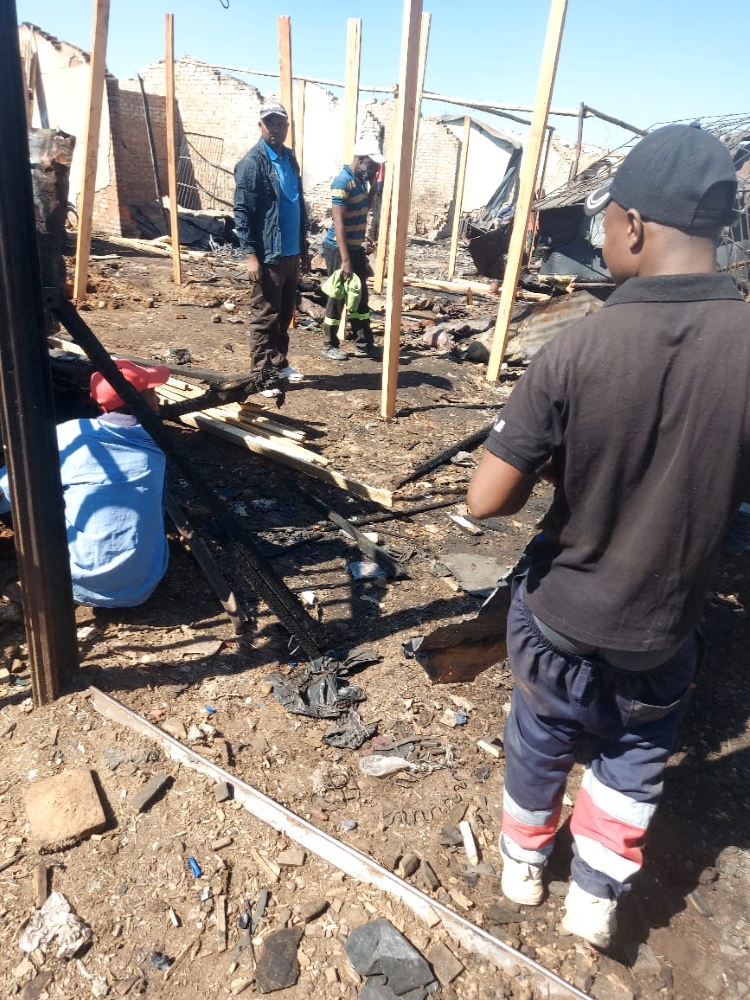
Shifting attention “beyond emergency response”, towards structural reforms that reduce risk before disasters occur, is critical. In Harare’s experience four priority directions stand out:
1. Sustainable tenure and financial models are needed. Clarifying rights and responsibilities, linked to the City’s small and medium enterprise (SME) policy, can create incentives for traders to invest in safer buildings, electricity systems and storage practices.
2. Clear management structures at market and home industry sites are essential. Government ministries, departments and agencies cannot effectively reduce risk without recognised bodies on the ground to work with. Stronger, more accountable market management can improve compliance, monitoring and everyday risk reduction.
3. Land-use planning and rationalisation needs improvement at markets and home industries. Treating these spaces as temporary or peripheral undermines long-term investment in resilient infrastructure and services. A shift at city government level is needed.
4. Resilient infrastructure design and emplacement are crucial. There is a need for relevant building codes, fire safety measures and adequate entry and exit pathways. These technical interventions can directly determine whether hazards escalate into disasters.
From a technical perspective, disaster risk management at markets and home industrial sites involves more than installing fire extinguishers. It includes:
> Designing layouts that reduce congestion and allow emergency access;
> Ensuring that electrical systems are safe and fit for high-demand environments;
> Managing drainage and waste to reduce flood risk and secondary hazards.
However, these measures only work when supported by governance systems that can enforce standards, maintain infrastructure and coordinate multiple actors. These measures require multi-level and multi-actor competences across the local authority (City of Harare in this case), traders and relevant national government agencies.
Lessons for other African cities
Harare’s experience mirrors challenges seen in markets across African cities: rapid urbanisation, informal economic expansion and governance systems struggling to keep pace. Research in Harare on policy framing suggests a transferable lesson: disaster risk in markets is fundamentally a governance issue with technical dimensions, not the other way around.
Cities that invest only in emergency response will remain trapped in a cycle of loss and recovery. Those that align land policy, infrastructure planning and market governance with disaster risk management (DRM) principles stand a better chance of creating safer, more productive urban economies.
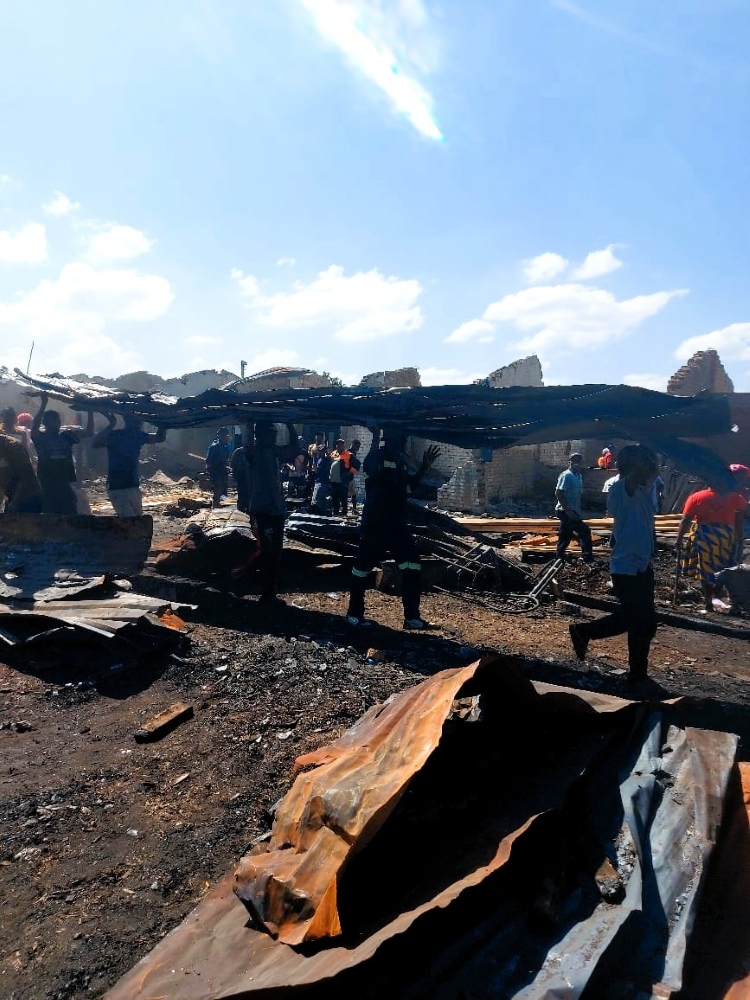
Harare City governs markets but cannot manage them alone. Organised traders also have limits. Through persuasion and collaborative efforts, where City capacities align with better-organised operators, these vital spaces can become safer and more inclusive, and operators more accountable and economically productive. Disaster prevention in Harare’s markets depends on shared responsibility anchored in a capable and responsive City, and organised operators with a stake in safer, more resilient spaces.
In Harare and across African cities, the challenge is clear. The question is whether disaster risk management will remain reactive or evolve into a core part of how urban markets are governed, designed and sustained.
Photo credits: Development Governance Institute
Note: This article presents the views of the authors featured and does not necessarily represent the views of the African Cities Research Consortium as a whole.
Author acknowledgement: This blog draws on ACRC‑supported work but does not represent the views of the consortium or its funder, FCDO (United Kingdom). The contributions of ACRC Harare colleagues are gratefully acknowledged.
Generative AI statement: Copilot was used to process research notes and relevant literature to help prepare an initial draft of this blog post. This draft was then extensively edited by the communications team and approved by the author of the article.
The African Cities blog is licensed under Creative Commons Attribution-NonCommercial-NoDerivatives 4.0 International (CC BY-NC-ND 4.0), which means you are welcome to repost this content as long as you provide full credit and a link to this original post.
