Community-led climate action
Across Harare’s informal settlements, climate change is no longer a distant threat, but a lived reality, manifesting in extreme weather patterns, disease outbreaks and environmental degradation that shape everyday survival. In the face of these challenges, communities are coming together to respond to the impacts collectively. Through ACRC’s Informal Settlements Climate Change Action (ISCCA) project, communities are organising to lead climate resilience efforts.
As part of a miniseries covering progress in the ISCCA project, this second blog post explores the establishment of a community-led climate action network. The first outlines the climate action goals the initiative is seeking to achieve and what’s been happening so far. The second the third spotlights grassroots activities taking place in different communities, the fourth shares lessons on the importance of political alignment from two informal settlements, and the fifth highlights the key role that climate savings groups play in advancing community climate resilience.
By Shiela Muganyi
In the global South, many urban residents live in informal settlements. These communities face higher risks from flooding, heat, water shortages, poor sanitation and environmental damage. Still, they are often left out of formal climate funding, infrastructure investment and planning.
Communities are the first to respond to climate threats, using their local knowledge and early warning systems. They also maintain drainage systems, manage waste where official services are unavailable, and keep informal water sources operational. Their work helps cities become more resilient. So when these communities are left out of official decision making, cities miss the chance to create more inclusive and lasting climate solutions.
From global exclusion to local organisation
In Harare, ACRC is working with informal settlement communities to build reform groups and back local climate action. The Informal Settlements Climate Change Action (ISCCA) initiative is helping communities identify climate risks, organise, work together and shape how resilience solutions are designed and put in place. This approach has laid the groundwork for organised, collective action that goes beyond individual settlements.
As part of this effort, the newly established Informal Settlements Network for Climate Change (ISN) serves as a key platform for community-led climate governance. It brings together informal settlement residents to coordinate climate action, share learning and collectively influence decisions affecting their settlements. This enables communities to engage more effectively with the state and other stakeholders, in line with ACRC’s emphasis on reform coalitions and locally-led change.
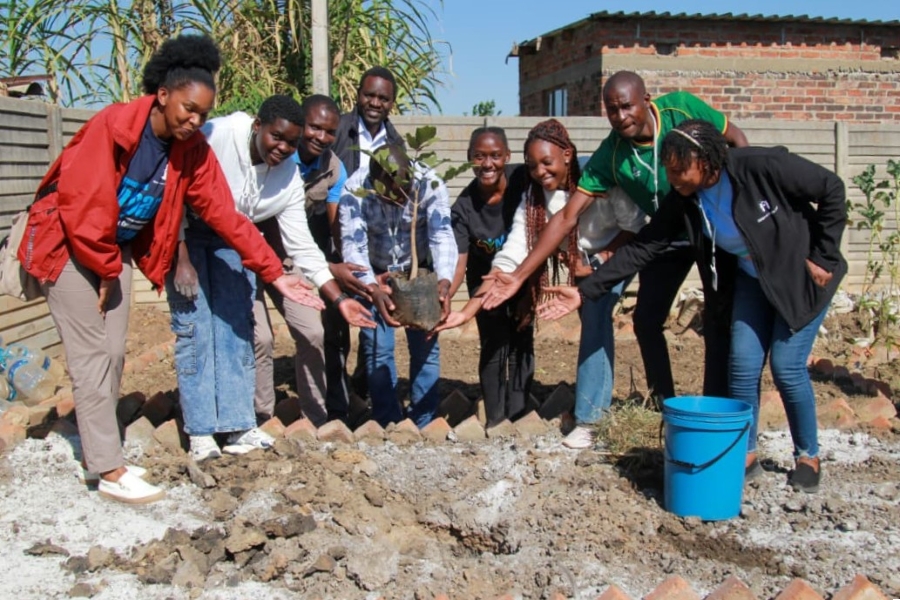
The network started as a partnership between 11 settlements supported by the ISCCA project to assess their own climate risks, review data and develop local climate action plans. It has now expanded to include communities beyond the original group and is becoming a grassroots platform for climate governance in the city.
The local climate action plans highlight practical priorities that are shaped by the community, such as:
> Climate and disaster savings schemes – Community-led savings for emergencies, food security and rapid response to climate shocks;
> Housing construction and retrofitting – Constructing new and strengthening existing structures to withstand flooding, heat and extreme weather;
> Water access and management – Establishing water committees, drilling and maintaining boreholes and improving water governance;
> Waste management and recycling – Organising community waste systems, reducing pollution and promoting recycling initiatives;
> Drainage management – Clearing and maintaining drainage systems to reduce flooding and improve sanitation;
> Climate-resilient livelihoods – Supporting income-generating activities, such as backyard gardening, soil-in-sack farming and small-scale enterprises;
> Nature-based solutions – Tree planting, greening initiatives and soil conservation to reduce heat and manage flooding;
> River riparian restoration – Protecting and rehabilitating riverbanks to reduce erosion, manage flooding and restore ecological buffers;
> Road opening and access improvement – Clearing and establishing roads to improve mobility, drainage flow and emergency access within settlements.
Grounded in local realities, these plans combine everyday survival strategies with longer-term resilience building, forming the foundation for collective action through the ISN.
Connecting communities across shared challenges
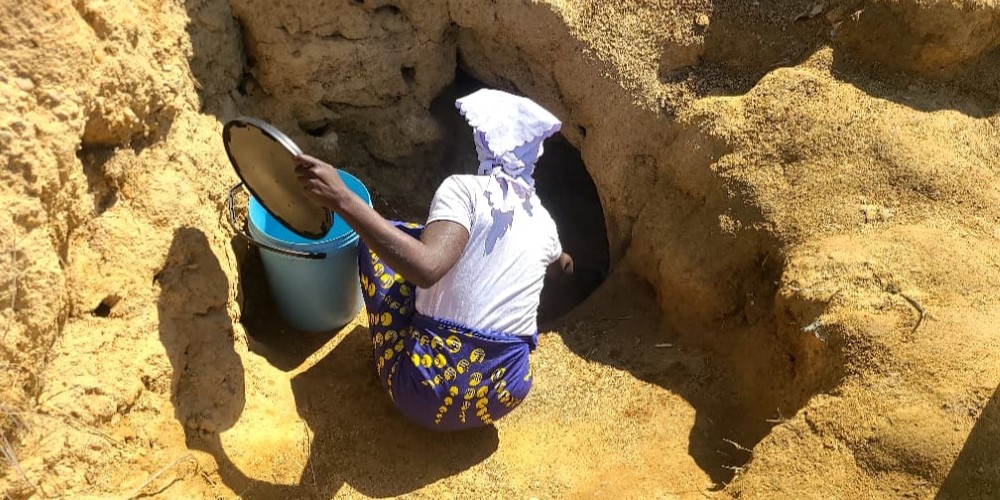
Community-led vulnerability assessments revealed recurring and systemic risks across settlements, including: blocked drainage, leading to recurrent flooding; low-yield or unregistered boreholes and chronic water shortages; heat stress due to overcrowded housing and lack of green infrastructure; illegal dumping, unmanaged waste and pollution; and tenure insecurity, limiting long-term investment.
These problems point to bigger issues in how cities are managed, especially in informal neighbourhoods. Communities had already started addressing them – clearing drains, digging temporary channels, saving money and improving their housing structures. However, they realised that working alone without coordination, shared knowledge and institutional support was not enough. The ISN has supported these efforts to grow and reach more people.
The ISN now connects settlements across the city, including Boko Haram, Dzivarasekwa Extension, Tafara, Chizhanje, Caledonia, Crowborough Paddocks, Churu Farm, Stoneridge, Hatcliffe, Hopely, Budiriro 5B and Crowborough. By establishing clear roles that support coordinated, locally-led climate governance, the network connects members through shared practices and accountability.
Learn more | Local climate adaptation in Dzivarasekwa Extension
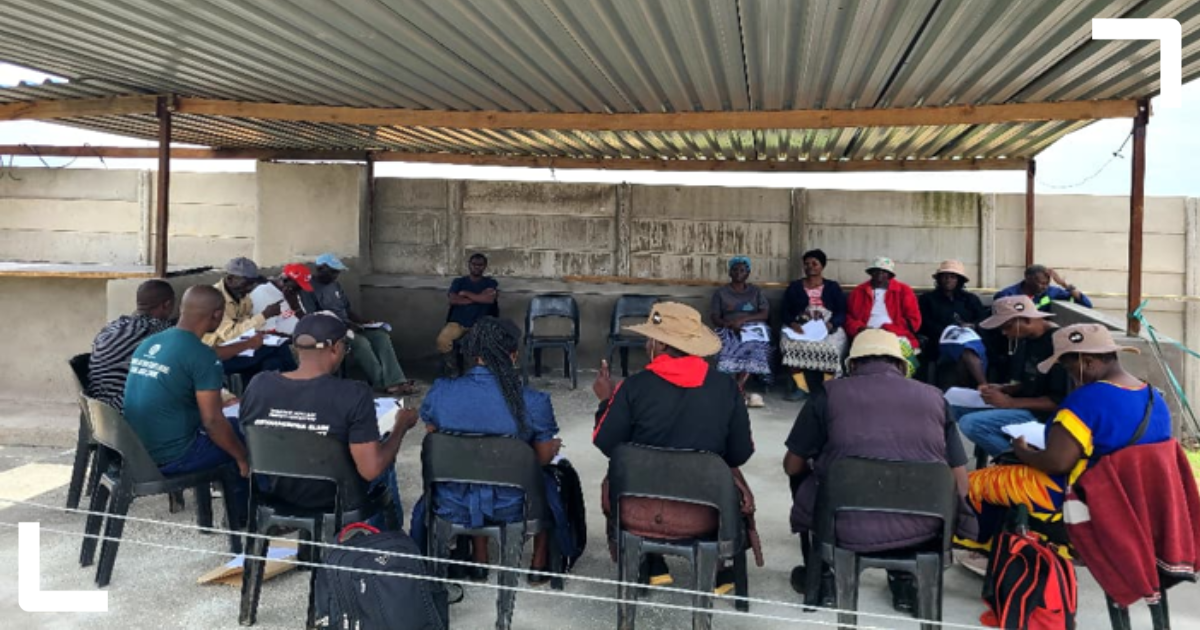
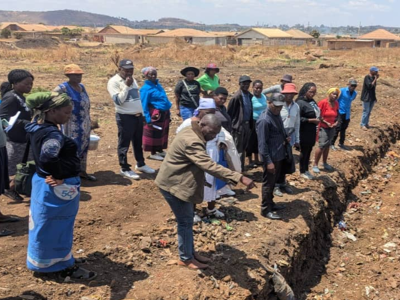
Dzivarasekwa Extension is a strong example of local climate adaptation, with residents working together on actions such as clearing drains and recycling waste. Community teamwork and organisation is key to driving these activities, with 36 people (27 women) attending a recent planning meeting in the settlement. This shows the critical role women play in leading climate action in the area, while young people bring labour, new ideas and energy to cleanup efforts.
The ISN’s support has helped to position Dzivarasekwa Extension as a climate hub, where other settlements can learn, share ideas and see practical examples in action. This has helped other communities – such as Hopley, Stoneridge and Chizhanje – to set up their own borehole committees, waste management systems and savings groups for climate resilience.
The network comprises:
> Community leadership committees – Coordinating and governing at the settlement level, these committees work with local authorities, hold community meetings, help resolve conflicts and ensure that climate priorities align with wider development efforts, such as regularisation and service delivery.
> Savings schemes and solidarity groups – Providing financial support for community-led climate action, these groups gather local resources for projects like housing improvements, drainage, food security and emergency response. They also help build trust, accountability and shared decision making in the community.
> Water and borehole committees – These committees handle water access, including drilling boreholes, maintenance and fair distribution. They are important in dealing with drought and water shortages and support sustainability through community management and cost-sharing.
> Climate champions – These are local leaders who raise awareness, mobilise others and take action on climate issues. They lead community-wide adaptation actions, such as clearing drains, managing waste, planting trees, helping communities to understand risks and use practical ways to adapt.
> The Zimbabwe Homeless People’s Federation members and youth groups – Federation members have experience with savings, mobilisation and working with authorities, and help keep the network organised and active. Youth groups add new ideas, energy and leadership around documenting climate impacts and actions.
Strengths of the network
Learning
The network enables rapid peer-to-peer sharing and learning. When Dzivarasekwa Extension cleared drains and dumpsites and partnered with Geo Pomona Waste Management for weekly waste collection, they shared updates and photos via the ISN WhatsApp group, allowing others to learn and respond immediately. Stoneridge replicated the dumpsite cleanup and is currently arranging waste collection services, while Crowborough Paddocks also struck up a strong partnership with Geo Pomona. As a result, waste reduction is accelerating across settlements, as practical examples spread more quickly than formal training.
Savings
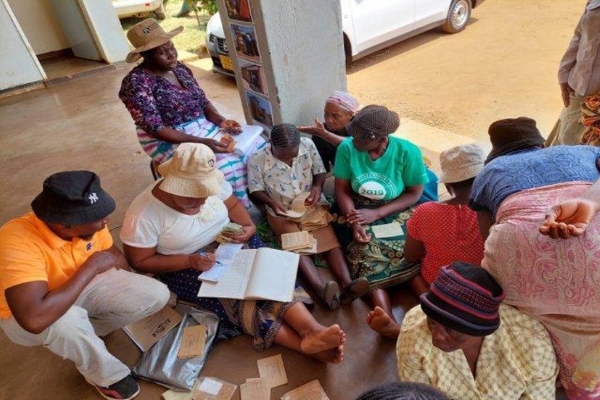
Community savings are not only safety nets, but key to funding climate infrastructure. In Hopley, residents formed water committees and used their savings to drill five boreholes, strengthening their position in negotiations with local authorities. Crowborough adopted a similar approach, drilling one borehole and raising funds for another. Savings groups, such as those using the CashFlow model in Dzivarasekwa Extension, collected USD 1,159 in four months – funding building materials and enabling the group to start a poultry business.
Evidence
The ISN leverages evidence to engage stakeholders. Community-approved vulnerability maps and climate action plans have improved dialogue with city officials, resulting in continued conversations on the approval of technical drawings, registered boreholes and officially recognised drainage work.
The broader reform agenda
Beyond improving services, the ISN also pushes for wider urban reform. By positioning informal settlement communities as co-producers of climate resilience, it is creating a group that can take part in climate finance talks and helping to build stronger partnerships between organised citizens and government agencies. The network’s strength comes from its collective legitimacy, showing that when settlements present evidence together, they can negotiate more effectively.
But there are still major structural barriers. Tenure insecurity continues to discourage long-term investment. A lack of technical support makes it hard to move from short-term fixes to lasting infrastructure. Blended climate finance tools are needed to match communities’ savings. And there need to be ways for ISN plans to become part of city planning cycles.
The next step is to move from demonstration projects to effecting lasting changes in the city system. With the right support, this grassroots platform could attract investment, direct decentralised climate finance to the communities that need it, and turn climate plans into action.
Reshaping the city from bottom up
The ISN shows that climate resilience is not something imposed from outside, but depends on organising, sharing knowledge and managing finances together. Continuing to strengthen these communities’ connections will equip them with the solutions, strategies and influence they need to shape a more climate-resilient future for Harare and their homes.
Photo credits: Know Your City TV Zimbabwe
Note: This article presents the views of the authors featured and does not necessarily represent the views of the African Cities Research Consortium as a whole.
Generative AI statement: ChatGPT was used to help produce a first draft of this summary blog post. This draft was then extensively edited by the communications team and approved by the author of the article.
The African Cities blog is licensed under Creative Commons Attribution-NonCommercial-NoDerivatives 4.0 International (CC BY-NC-ND 4.0), which means you are welcome to repost this content as long as you provide full credit and a link to this original post.
