
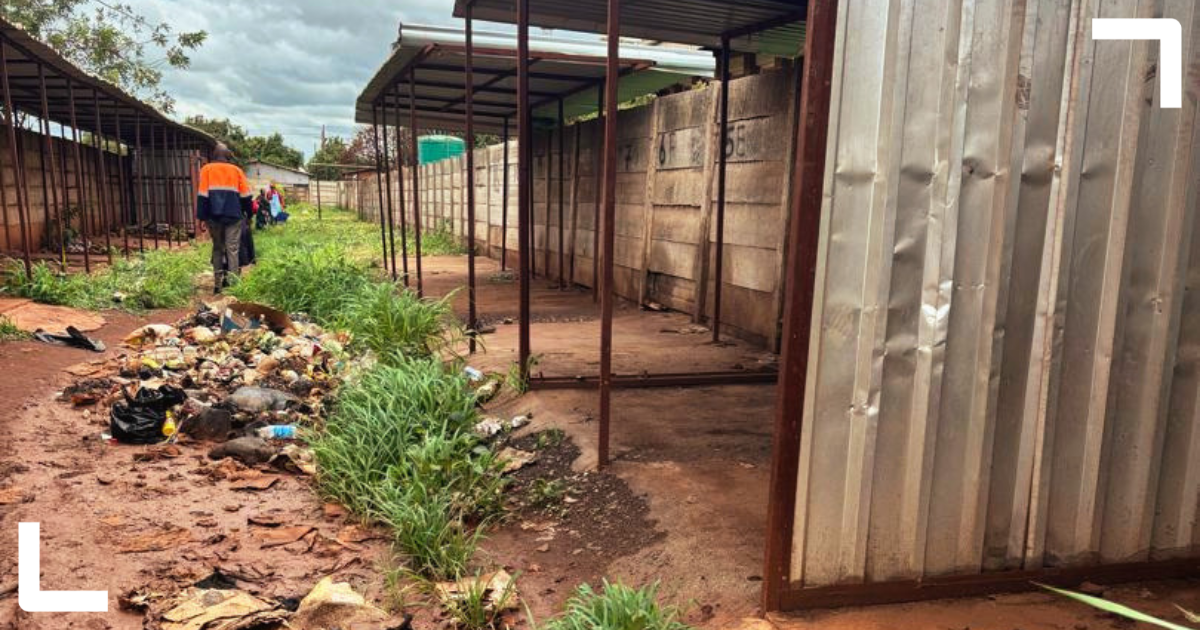
Urban markets in Harare
Urban markets are at the centre of life in Harare, providing livelihoods to thousands of people, supplying affordable goods and anchoring the city’s informal economy. Action research in the city so far has looked at improving infrastructure and strengthening trader capacity in the Glen View 8 Furniture Complex (GV8FC). The Pundutso Urban Markets Project (PUMP) is building on learnings from this initiative to support further market improvements across Harare, through creating institutional space for traders and the City of Harare to collaborate meaningfully.
In this blog miniseries looking at urban markets in Harare, the first post explores the City of Harare’s receding role in urban markets, the second outlines priority actions for tackling fire risks in markets, this third one takes a closer look at market sanitation, and the fourth reflects on contested market governance.
“We pay, but the council isn’t resolving our sanitation issues.”
By Kudzai Chatiza, Hazel Musvovi and Tapiwa Nyamukapa
Kuwadzana 4 Market in Harare is one of the sites for ACRC’s inclusive land tenure and infrastructure financing study. Like many urban markets, it relies on sanitation facilities provided by the City of Harare. Yet the market’s restroom, intended to serve both traders and customers, is frequently non-functional. This persistent failure points not only to operational challenges, but also to deeper governance weaknesses in the way that market services are financed, managed and overseen.
The market at Kuwadzana 4 hosts a diverse range of economic activities, including secondhand clothing sales, vegetable trading, auto repairs, live poultry markets and hardware retail. Over time, trader numbers have far exceeded the market’s original design capacity. Trading activities have spilled into bus stop shelters, service alleys, shop fronts and along the main road.
A locally constituted management committee works with the City to encourage traders to pay monthly subscriptions, in order to address minor maintenance issues. Market traders report paying USD 10 per month and understandably they expect basic services in return.
Strained sanitation facilities
Sanitation, however, remains a critical and unresolved gap. Traders describe repeated failures to repair the restroom facility – a situation that has contributed to open defecation around the market. As one trader put it plainly: “We pay fees, but the council isn’t resolving our sanitation issues.” This sentiment reflects a broader breakdown in the perceived social contract between traders and Harare City.
Even when the facility is operational, it is inadequate for the scale and intensity of use. Registered traders, unregistered vendors, customers for nearby shops and patrons of a municipal beer hall all depend on the same toilets. The absence of clear rules on access, combined with weak enforcement, places excessive strain on already limited infrastructure and accelerates its deterioration.
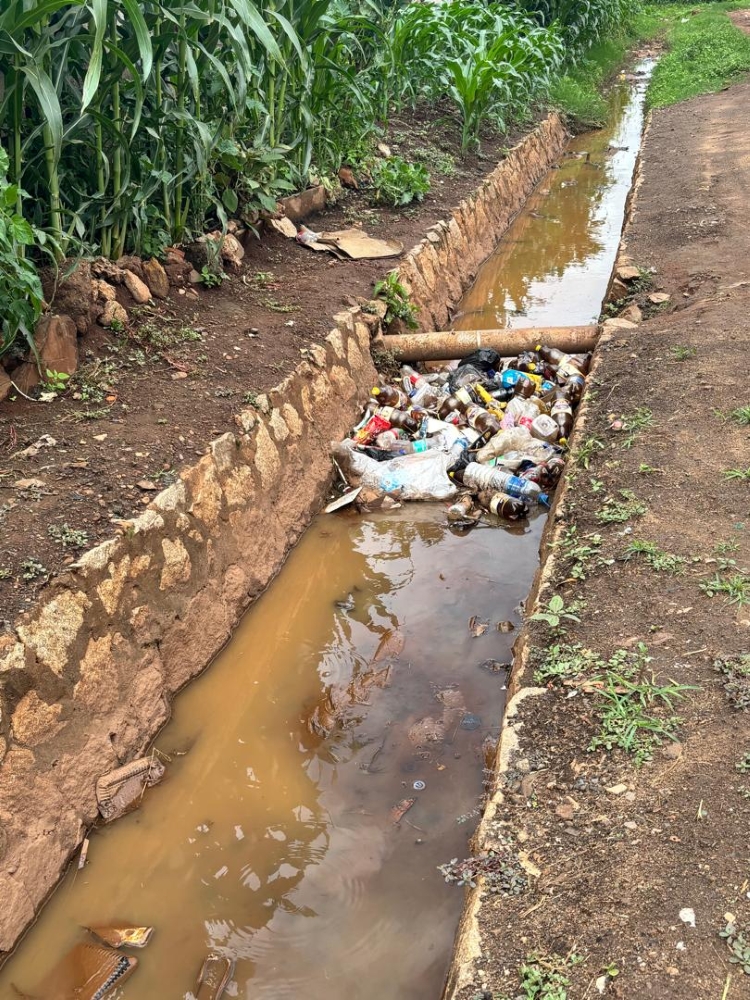
In response, traders have adopted informal coping strategies. When a pipe in the men’s restroom broke, they pooled their own resources to restore one toilet. While this demonstrates initiative and collective action, it also exposes a governance dilemma. These self-help measures operate outside formal municipal systems, raising questions about liability, standards and sustainability. Traders fill gaps left by the City, yet lack the authority to make durable repairs or manage facilities in a way that is formally recognised.
Unclear accountability and financial shortfalls
Underlying these problems is an unclear division of responsibilities. While the City retains formal authority over market infrastructure and WASH services, it appears to lack the financial flexibility, technical capacity or administrative responsiveness to maintain them effectively. Frontline officials closest to the markets often lack the mandate or resources to act quickly, while escalation processes are slow and opaque. For traders, reporting problems rarely translates into timely action.
Financial governance further complicates the situation. Traders pay regular fees, but there is little transparency around how these revenues are allocated or whether any portion is ringfenced for market-level services such as sanitation. Without visible reinvestment, trust erodes and compliance weakens over time. At the same time, theCity faces the challenge of servicing rapidly growing and partially informal markets, using funding and planning models designed for smaller, more controlled trading environments.
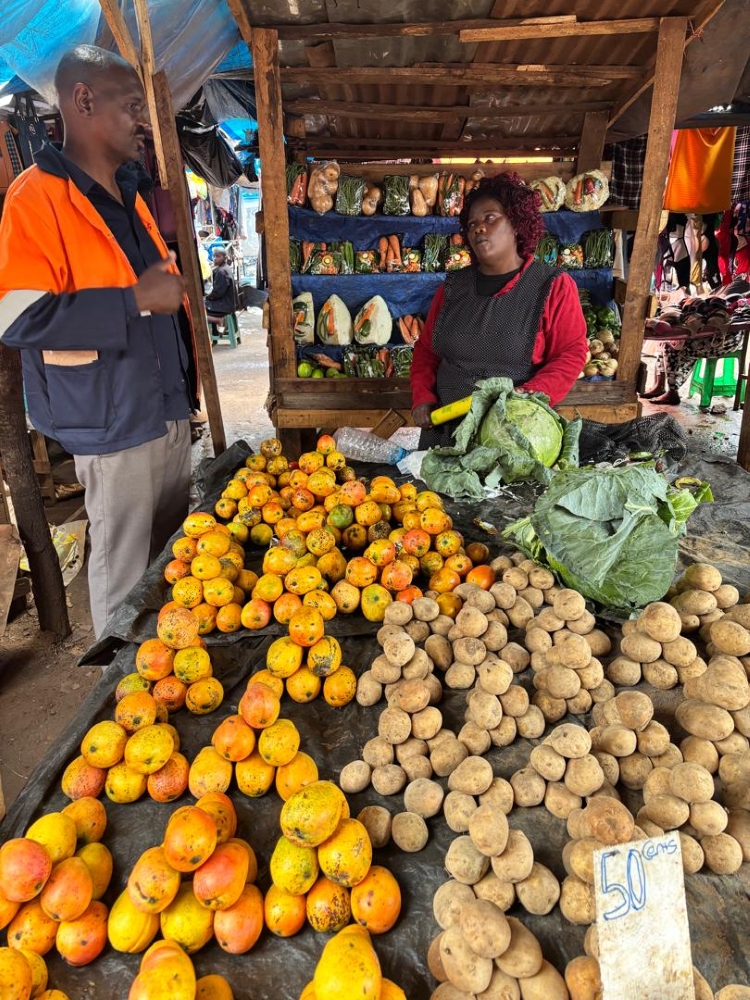
The result is a cycle of underinvestment, informal fixes and declining service quality. From the traders’ perspective, this creates the impression of a City unable or unwilling to perform basic functions. From the City’s perspective, authorising informal solutions may undermine regulatory control and expose it to accountability risks. Both sides are trapped in a governance grey zone, where responsibility is shared in practice but not clearly defined in policy.
The experience of Kuwadzana 4 raises important questions. Why is something as basic as operating market toilets so difficult in Harare? Are existing financial and administrative arrangements fit for the scale and informality of today’s markets? How can trader contributions be governed more transparently to support service delivery? And what mix of policy reform, delegated authority and co-management could deliver auditable, sustainable solutions?
Policy implications
The experience of Kuwadzana 4 Market suggests that market sanitation failures are less about isolated technical breakdowns and more about gaps in urban governance. Addressing these challenges requires policy and administrative responses that recognise how markets function today.
While the detailed study is expected to provide citywide evidence from ten other Harare markets, preliminary insights from Kuwadzana 4 point to a need for the City to:
1. Clarify roles and empower delegated authority – Clearer allocation of responsibilities between municipal departments, frontline market officials and trader committees is needed. Where traders already play an informal maintenance role, policies should explicitly define what forms of delegated authority are permissible, under what conditions and with what safeguards. This would reduce the current grey zone, in which traders act out of necessity but without formal recognition.
2. Improve financial transparency and ringfencing – Trader fees create an implicit expectation of service delivery. Making visible how market revenues are allocated and whether funds are reinvested at market level could rebuild trust and improve compliance. Ringfencing a portion of market fees for routine WASH operations and minor repairs would strengthen accountability and reduce reliance on ad hoc community contributions. A policy on reinvestment of market fees exists, but its practical implementation appears lacking.
3. Adapt service models to scale and informality – Existing sanitation standards and maintenance models appear misaligned with the scale and density of contemporary markets. Policy frameworks need to account for mixed formal–informal usage, high foot traffic and shared facilities that serve surrounding businesses. Flexible service standards, combined with realistic maintenance plans, are essential for sustainability. The case of Kuwadzana 4 shows this to be a serious deficit.
4. Strengthen frontline response mechanisms – Market-level officials require clearer mandates, quicker escalation pathways and access to small operational budgets to address routine failures before they escalate. Without empowered frontline governance, reporting systems alone will continue to frustrate traders, without delivering results.
5. Institutionalise co-management arrangements – Rather than treating trader-led solutions as temporary or problematic, policy could formalise co-management models for market infrastructure. Well-defined partnerships, supported by basic oversight, auditing and technical guidance, could harness trader initiative while maintaining public accountability.
Market sanitation is not merely a technical issue. It is a test of urban governance – of how cities recognise informal economic actors, manage shared resources and deliver everyday services with dignity. Policy responses that bridge the gap between formal authority and everyday practice will be critical if markets are to remain viable economic and social spaces.
Photo credits: Development Governance Institute
Note: This article presents the views of the authors featured and does not necessarily represent the views of the African Cities Research Consortium as a whole.
Author acknowledgement: This blog draws on ACRC supported work but does not represent the views of the consortium or its funder, FCDO (United Kingdom). The contributions of ACRC Harare colleagues – especially George Masimba, Stephan Tafireyi (City of Harare, SMEs Division), Thomas Karakadzai and Tapiwa Nyamukapa, who took part in a meeting at the city’s Housing and Community Services Offices to discuss the Kuwadzana 4 issue following a field visit – are gratefully acknowledged.
Generative AI statement: Copilot was used to process research notes and relevant literature to help prepare an initial draft of this blog post. This draft was then extensively edited by the communications team and approved by the author of the article.
The African Cities blog is licensed under Creative Commons Attribution-NonCommercial-NoDerivatives 4.0 International (CC BY-NC-ND 4.0), which means you are welcome to repost this content as long as you provide full credit and a link to this original post.
