Community-led climate action
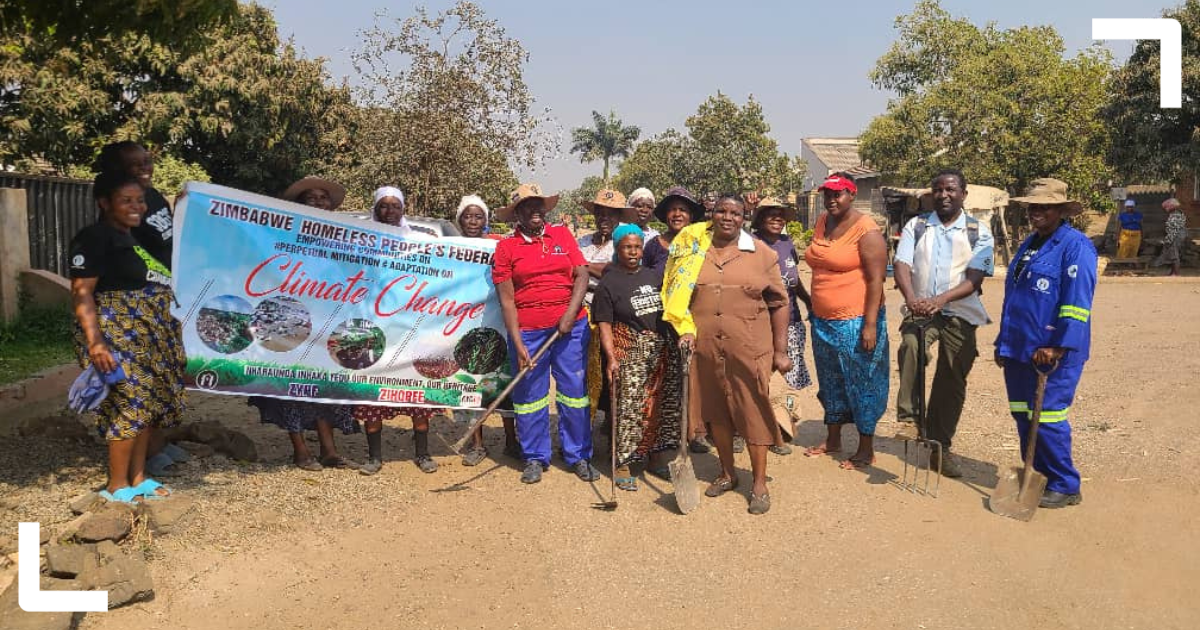
Across Harare’s informal settlements, climate change is no longer a distant threat, but a lived reality, manifesting in extreme weather patterns, disease outbreaks and environmental degradation that shape everyday survival. In the face of these challenges, communities are coming together to respond to the impacts collectively. Through ACRC’s Informal Settlements Climate Change Action (ISCCA) project, communities are organising to lead climate resilience efforts.
As part of a miniseries covering progress in the ISCCA project, this third blog post spotlights grassroots activities taking place in different communities. The first outlines the climate action goals the initiative is seeking to achieve and what’s been happening so far, the second explores the establishment of a community-led climate action network, the fourth shares lessons on the importance of political alignment from two informal settlements, and the fifth highlights the key role that climate savings groups play in advancing community climate resilience.
By Shiela Muganyi
As explored in a previous blog post, the city-wide Informal Settlements Network for Climate Change (ISN), established by ACRC’s Informal Settlements Climate Change Action (ISCCA) project, has become a powerful peer-to-peer platform, where communities collectively analyse climate impacts, share practical solutions and take action.
The network’s main innovation is its structure, which brings informal settlements together as a united force for change. By sharing experiences and learning from each other, ideas spread quickly from one settlement to the next. A solution that works in one place can inspire others elsewhere.
The ISN has redefined climate adaptation in Harare by demonstrating that organised informal settlement communities are not only capable of leading resilience efforts, but also of shaping a shared urban response that is inclusive, scalable and grounded in lived experience.
This blog post explores how communities involved in the network have learned from each other and taken action to advance climate resilience in their own settlements.
Improving waste management in Dzivarasekwa Extension – and beyond
“If we wait for the city, the waste will keep piling up around us. We decided to act with what we have.”
After identifying blocked drains as a major flood risk in their settlement, local climate change champions in Dzivarasekwa Extension launched a cleanup campaign, collectively dedicating one hour each day to clearing garbage and waste. Rather than waiting for municipal intervention, the community took responsibility for itself, reducing flood risks and showing how community-led action can protect lives and property.
Their efforts extended beyond just physical cleanup. They forged strategic partnerships with the local clinic and with a waste management company, Geo Pomona. The clinic provided personal protective equipment (PPE) and technical support. With Geo Pomona, families devised an affordable rotating payment model for waste collection services.
To address PPE shortages, the community pooled savings to buy durable gloves and supplies, reinforcing the community resilience-through-savings model.
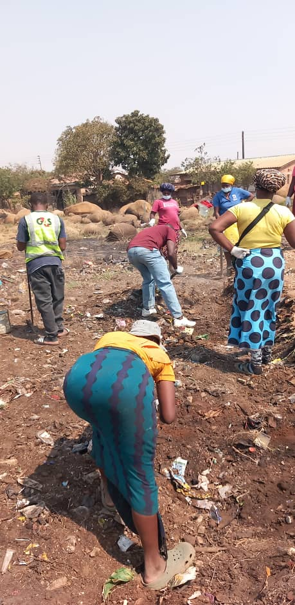
Importantly, this knowledge spread beyond Dzivarasekwa Extension. Through documentation and the ISN WhatsApp group, lessons are being shared across settlements, enabling replication without requiring physical movement. Crowbrough settlement quickly adopted the cleanup campaign, mobilising even non-Federation members.
Tafara, Dzivarasekwa Extension and Crowbrough also established community hubs, which are living laboratories of locally-led adaptation. These hubs host community gardens, recycling initiatives and serve as training grounds to institutionalise resilience skills.
The Dzivarasekwa Extension case shows how networking and sharing can strengthen adaptation beyond single settlements – whether through face-to-face collaboration or digital platforms – ensuring disparate communities can learn, replicate and scale resilience together.
Waste as a resource to transform women’s livelihoods
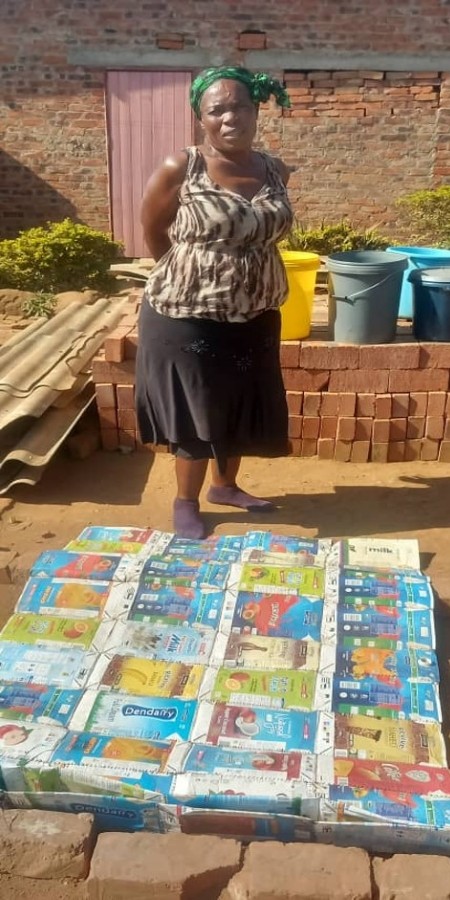
Beyond risk reduction, communities are also turning climate challenges into livelihood opportunities. Across Harare’s informal settlements, waste picking, separating, sorting and recycling have become vital sources of income.
In Dzivarasekwa Extension, a group of women have been using their earnings from recycling to pay school fees, put food on the table and even construct resilient houses. As one waste picker proudly shared:
“We can now drink cold water from the refrigerator in this hot season. Because of our hard work, we now eat good food. Waste is seen as a burden, but to us it is a resource.”
This shift has had profound social impacts. By generating income, women have reduced household tensions that often fuel gender-based violence. Couples are no longer fighting over money for upkeep, as women’s contributions through recycling have eased financial strain.
Complementing these efforts, backyard gardens are flourishing across settlements – strengthening food security and helping families withstand climate shocks. Alongside recycling initiatives, these gardens show how that adaptation is not only about survival but about building sustainable, thriving communities.
Similarly, in Tafara, women’s efforts to manage waste are creating livelihood opportunities, alongside playing a critical role in their environmental stewardship. Waste recycling has started to generate income, supporting families to pay for school fees and buy food.
At the same time, savings groups are making a big difference in the community. Eight savings groups have saved USD 44,000 for water security in Stoneridge Informal Settlement and more than USD 32,000 for resilient housing construction. In Tafara, resilience is something people build every day with their own hands.
One woman participant from Tafara reflected:
“Savings are no longer about money only. They help us survive the challenges of climate change and beyond.”
Strengthening food security in Hopley
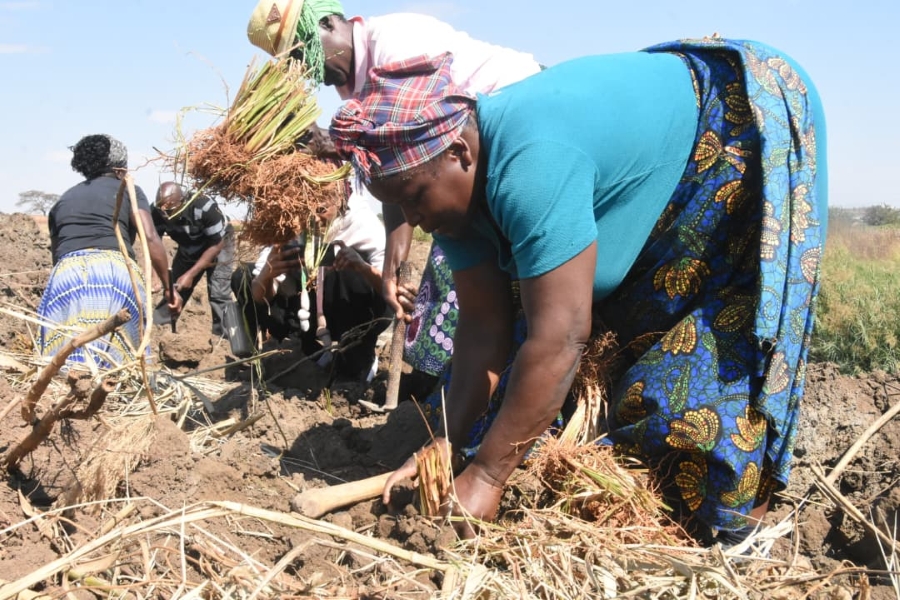
Hopley is a settlement located in the south of Harare without electricity. Building resilience in this settlement began with something simple: saving for food. More than 50 savings groups came together to help families get through tough times.
Over time, as savings increased, so did the community’s ambitions. Four groups, with just 40 members, managed to pool around USD 60,000. Instead of using it just to get by, they invested in solar systems and refrigerators. Now, those refrigerators are helping small businesses in the community to fight climate change challenges. Families store and sell perishable food, earn income and create their own energy solutions where there were none before.
A Hopley woman savings group member pointed out:
“We have passed through the phase of buying each other pots and pans. Now we have started saving for refrigerators to reduce the impact of high temperatures in Hopley.”
The road ahead
By coming together, communities are demonstrating that climate change resilience is built through collective action, strategic partnerships and innovative financial models. While challenges remain – such as securing adequate protective equipment and stronger support from city authorities – the way ahead is well defined.
To further scale resilience in Harare’s informal settlements, communities must be recognised and welcomed as legitimate actors in city-wide climate planning. The ISCCA experience shows that peer-to-peer learning platforms, community-driven finance and strategic partnerships can transform everyday actions into systemic adaptation.
By investing in community hubs, supporting savings groups and embedding local innovations into the city’s frameworks, organisations and city officials can ensure that resilience is not only replicated but institutionalised. Through empowering communities and enabling grassroots leadership, a sustainable urban future can be built by and for the residents of Harare’s informal settlements.
Photo credits: Know Your City TV Zimbabwe
Note: This article presents the views of the authors featured and does not necessarily represent the views of the African Cities Research Consortium as a whole.
Generative AI statement: ChatGPT was used to help produce a first draft of this summary blog post. This draft was then extensively edited by the communications team and approved by the author of the article.
The African Cities blog is licensed under Creative Commons Attribution-NonCommercial-NoDerivatives 4.0 International (CC BY-NC-ND 4.0), which means you are welcome to repost this content as long as you provide full credit and a link to this original post.
