
Community-led climate action
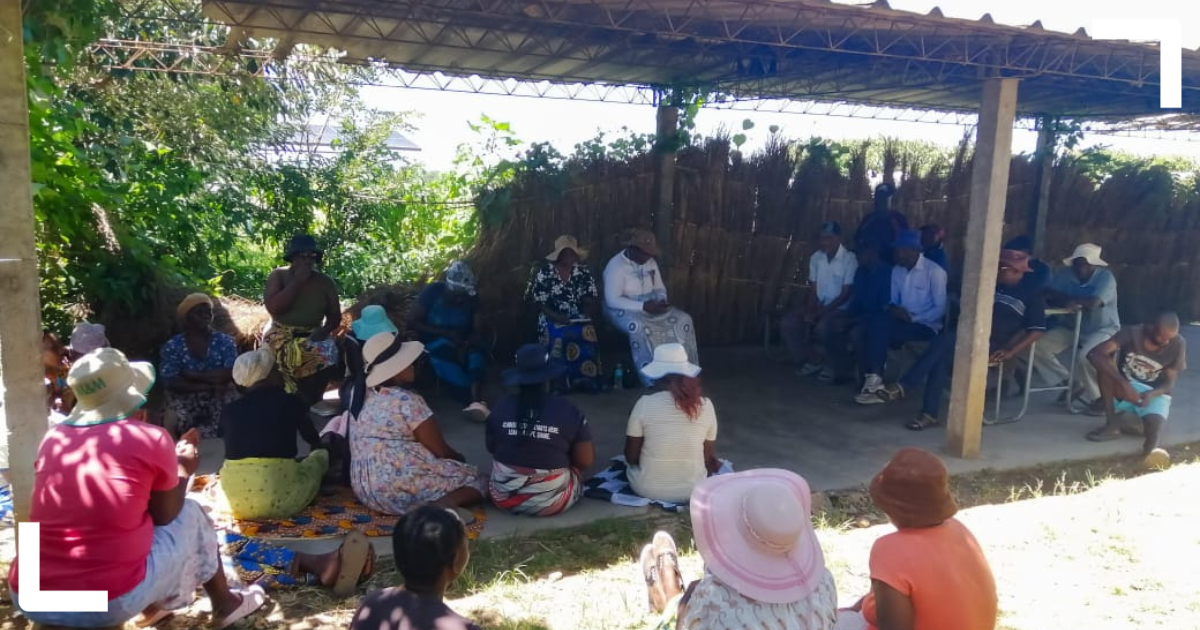
Across Harare’s informal settlements, climate change is no longer a distant threat, but a lived reality, manifesting in extreme weather patterns, disease outbreaks and environmental degradation that shape everyday survival. In the face of these challenges, communities are coming together to respond to the impacts collectively. Through ACRC’s Informal Settlements Climate Change Action (ISCCA) project, communities are organising to lead climate resilience efforts.
As part of a miniseries covering progress in the ISCCA project, this fifth blog post highlights the key role that climate savings groups play in advancing community climate resilience. The first outlines the climate action goals the initiative is seeking to achieve and what’s been happening so far, the second explores the establishment of a community-led climate action network, the third spotlights grassroots activities taking place in different communities, and the fourth shares lessons on the importance of political alignment from two informal settlements.
By Shiela Muganyi
In Harare, climate change is reshaping lives, livelihoods and local environments. But while every community feels these impacts, informal settlements face the harshest realities. Weak infrastructure, limited services, insecure land tenure and high levels of poverty make them exceptionally vulnerable to climate shocks.
Yet, within these same communities, effective solutions are emerging – rooted in collective action, local knowledge and community savings for climate resilience.
Barriers to accessing climate finance
Despite the urgency of climate impacts, communities in Harare’s informal settlements face barriers in accessing formal climate finance. International and national funds often require documentation, credit histories or proof of land tenure that they cannot provide. Large-scale financing mechanisms are designed for governments or institutions, not small, community-driven initiatives.
Even when funds are available, lengthy bureaucratic processes delay access, leaving communities unable to respond quickly to shocks. Women, who often lead adaptation at household and community levels, are excluded from formal finance systems, despite being central to resilience-building.
Community climate savings: A local solution
Community climate savings groups are helping informal settlement residents deal with these challenges. For years, federations of the urban poor have mobilised savings groups to support housing, basic services and emergency needs. As climate impacts intensify, these groups are deliberately saving for climate resilience. Federation members set aside funds specifically to prepare for and respond to climate shocks, pooling local resources to strengthen their own capacity to adapt.
Through the Informal Settlements Climate Change Action (ISCCA) project, this approach has been scaled across Harare’s informal settlements and beyond. Communities are not only saving for emergencies, but proactively investing in adaptation measures that reduce risks and build long-term resilience.
Solidarity in action in Dzivarasekwa
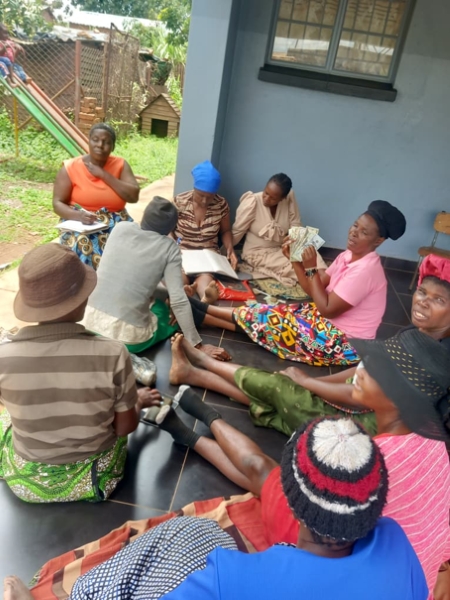
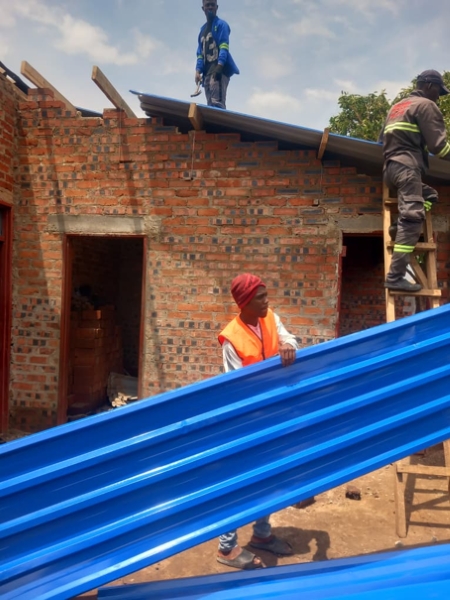
In Dzivarasekwa Extension, community members formed a solidarity savings group for climate adaptation. Members pooled their contributions and shared the funds at the end of the year to purchase building materials for retrofitting flood-damaged houses and constructing permanent, resilient homes.
They also used their savings to start a poultry project, designed to cushion households against the impacts of drought by diversifying food and income sources. Some groups saved for food, ensuring families would not go hungry during the festive season, while others prepared for school fees, protecting children’s education from climate-related financial shocks.
Saving for water security in Hopley
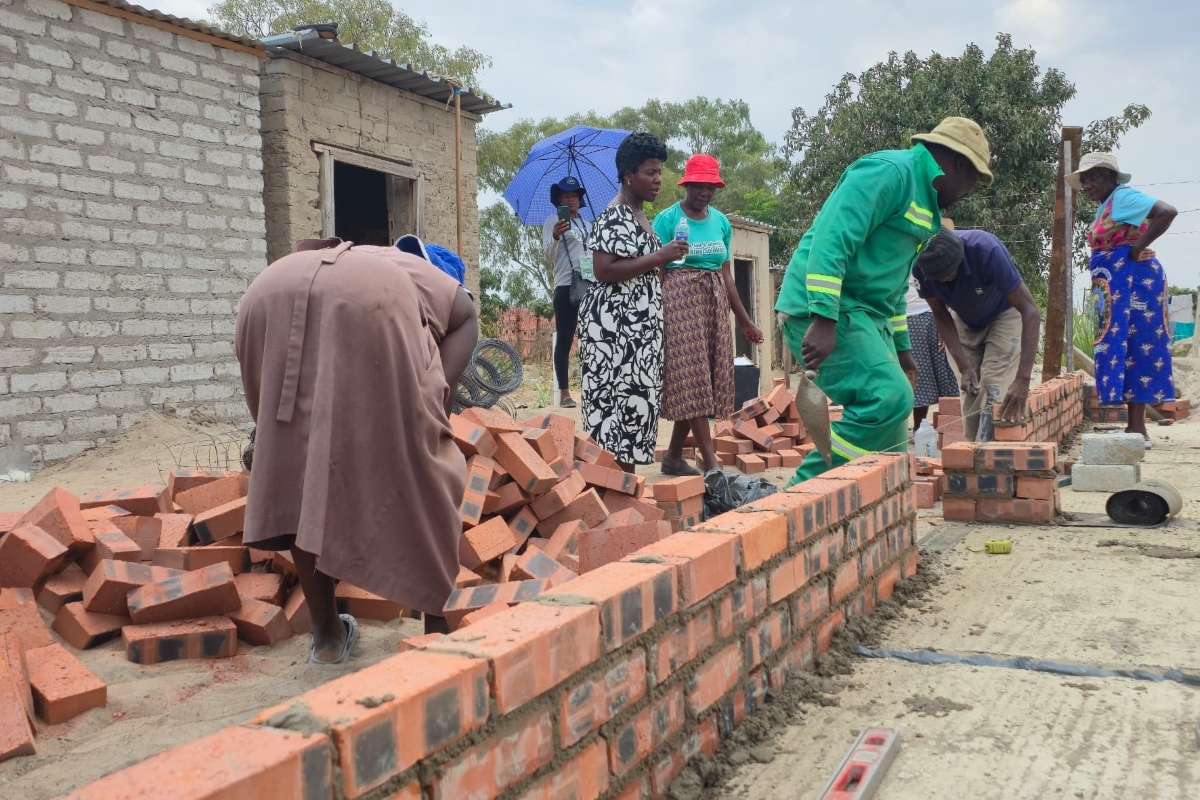
In Hopley settlement, savings groups have tackled one of the most pressing climate challenges: water scarcity. Through their collective savings, residents have financed and drilled five boreholes. This achievement underscores the power of local finance to deliver critical infrastructure where formal systems have failed.
Building long-term climate resilience
Going beyond supporting emergency responses and short-term infrastructure projects, community climate savings build commitment, solidarity, confidence and long-term resilience among group members. They strengthen social cohesion, foster collective responsibility and empower residents to plan for the future, rather than react to disasters.
Key lessons learned
These two examples reveal some clear lessons:
> Collective action is not just about participation – it depends on aligned leadership, shared vision and the ability to navigate power.
> If local leaders are not united and there is no smart approach to working with those in power, even the most well designed projects might not succeed.
To scale these efforts, significant barriers must be overcome. Savings groups must be acknowledged as legitimate actors in climate finance systems. Stakeholders should co-invest in community-led initiatives, leveraging local finance as a foundation. Climate finance mechanisms must be simplified and tailored to reach grassroots actors directly. And women-led savings groups should be prioritised, given their proven role in driving resilience.
Photo credits: Know Your City TV Zimbabwe
Note: This article presents the views of the authors featured and does not necessarily represent the views of the African Cities Research Consortium as a whole.
Generative AI statement: ChatGPT was used to help produce a first draft of this summary blog post. This draft was then extensively edited by the communications team and approved by the author of the article.
The African Cities blog is licensed under Creative Commons Attribution-NonCommercial-NoDerivatives 4.0 International (CC BY-NC-ND 4.0), which means you are welcome to repost this content as long as you provide full credit and a link to this original post.
