By Oluwaseun Muraina and Rasheed Shittu, ACRC Lagos action research project co-leads
When a key character in Game of Thrones tells Queen Cersei that “knowledge is power”, her immediate response is to order his death, with the retort that “power is power”.
We can draw a lesson from this. Knowledge alone does not determine outcomes – authority, institutions, enforcement and the ability to shape decisions do. The tension between knowledge and power is not confined to fictional kingdoms. It plays out daily in African cities, particularly in informal settlements, where communities possess deep knowledge of their realities but often lack formal authority to influence their preferred realities over land, infrastructure and services.
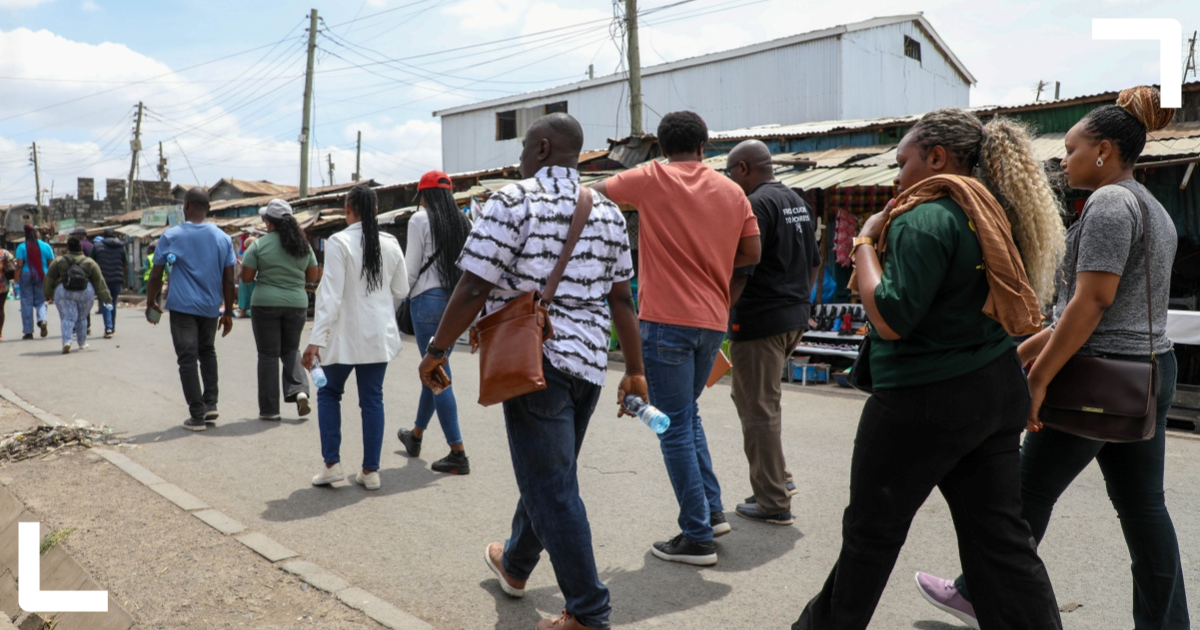
When the ACRC Lagos water and sanitation (WASH) team visited Mukuru in Nairobi, for a learning exchange, we carried a simple question: how do informal settlements secure dignified water and sanitation access in cities that often overlook them? What can Lagos learn from Nairobi in the struggle for equitable water and sanitation?
What we observed in Mukuru was not just community innovation, but well-organised influence. Alongside the improved water and sanitation provision, we witnessed how communities convert knowledge into structured bargaining power. In Mukuru’s informal settlements, the presence of community data, organised committees, transparent billing systems, and strategic engagement with city authorities has transformed lived experience into negotiating strength.
What we returned with was a series of more difficult questions: Is knowledge really power? How does a community move from understanding its deprivation to shaping the systems that govern it? And how does information translate into institutional authority?
Using data as a tool for community advocacy
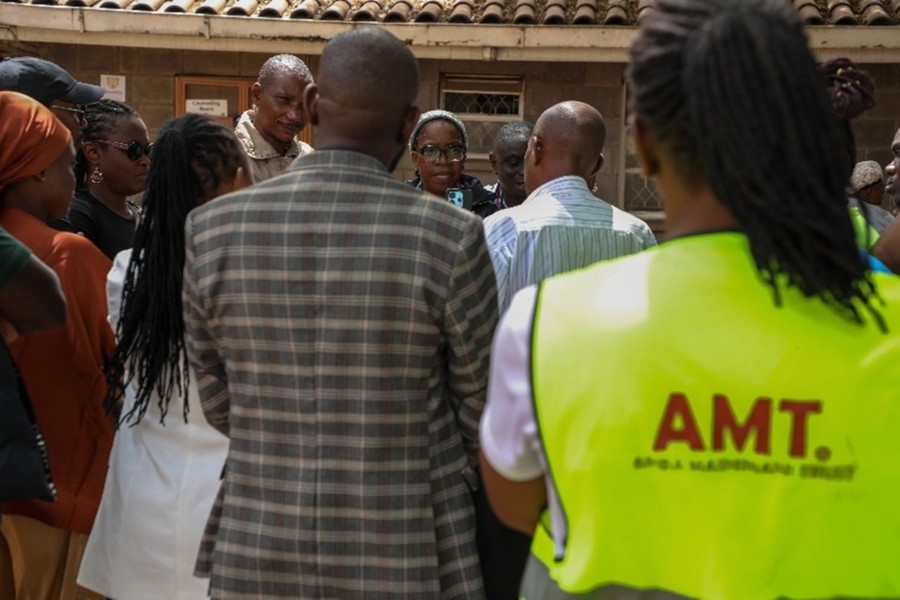
Our visit began with Akiba Mashinani Trust (AMT), which hosted the delegation and is a central protagonist of the Mukuru Special Planning Area (SPA) story. AMT revealed a critical insight: communities that are not counted are easily ignored. Through systematic profiling, mapping and documentation, AMT and Mukuru residents have strengthened their engagement with county authorities, in some cases contributing to more structured responses to displacement and upgrading.
In many of Nairobi’s informal settlements, communities document their conditions, map households, profile residents, and generate credible data. Yet data alone does not constitute power. Formal authority continues to reside in planning offices, budget committees and political institutions. But as we saw in Mukuru, communities can build negotiating power by forming alliances, demonstrating competence, and formalising their role in service delivery. In this way, data moves beyond information and becomes a tool for securing planning recognition, resisting eviction, and demanding inclusion in formal urban processes.
Building public trust, one sewer line at a time
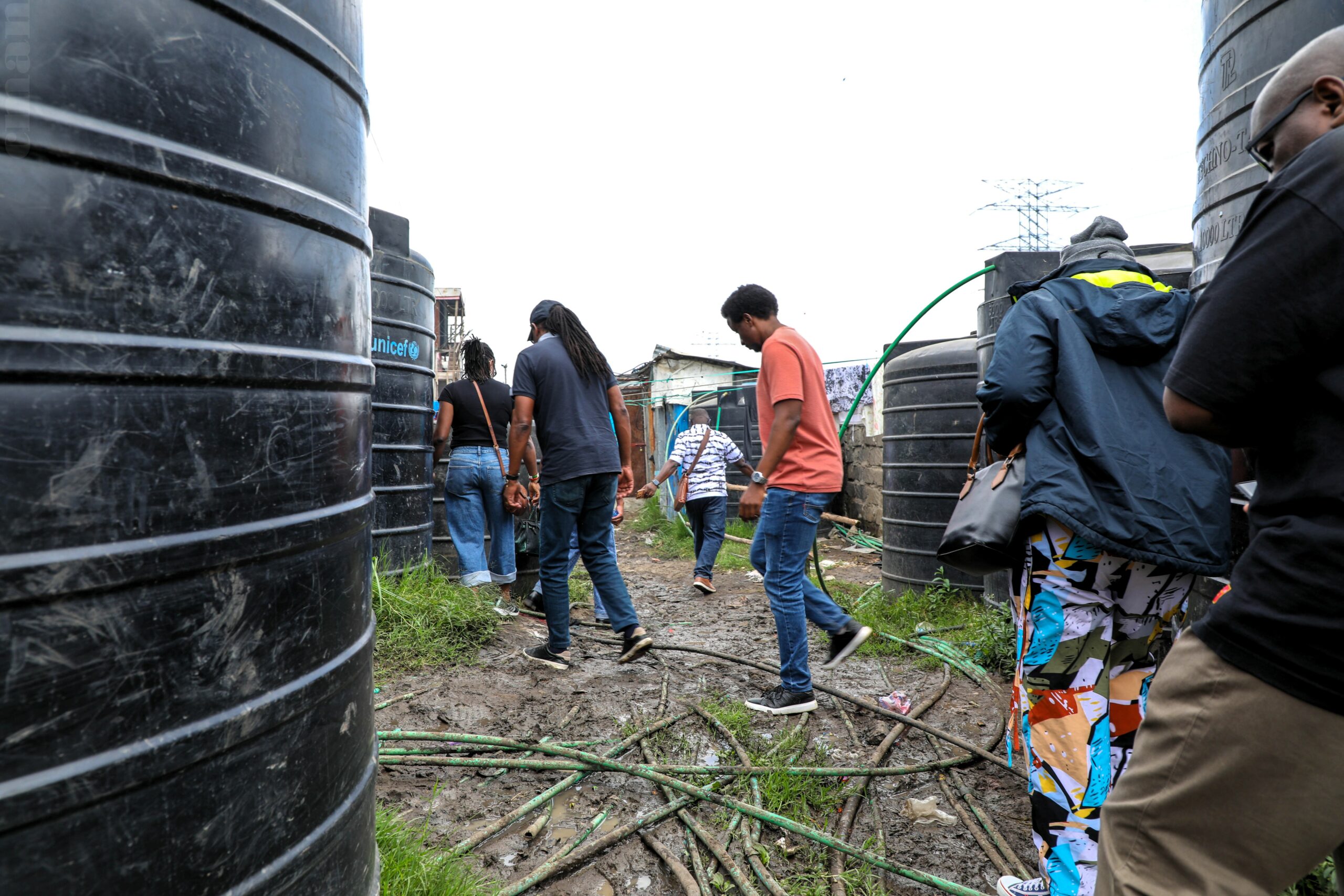
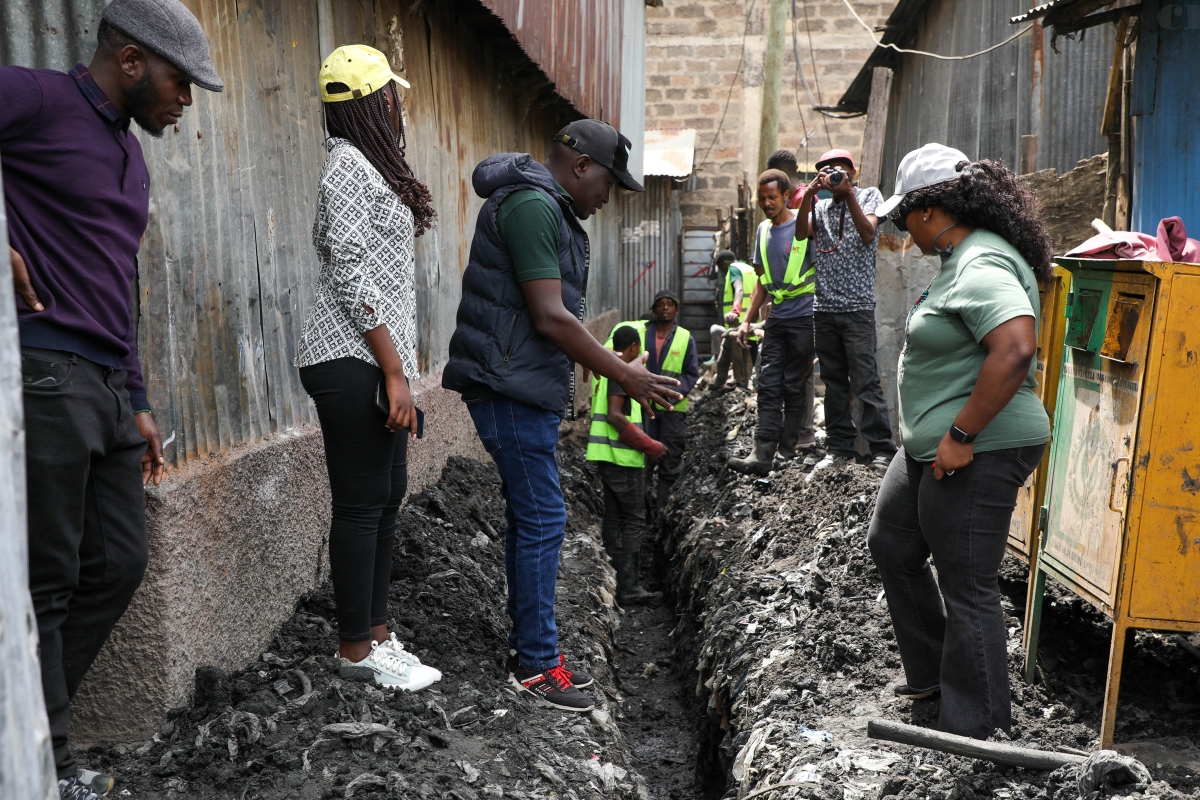
Mukuru’s simplified sewer systems, facilitated by the state-owned Nairobi City Water and Sewerage Company, serve hundreds of households through cost-effective design. Pre-paid water dispensers operate through token-based billing, reducing disputes and increasing transparency. These are technical solutions, but their deeper value lies in governance. Clear billing systems, defined management structures and accountable committees build trust. Trust strengthens legitimacy. Legitimacy strengthens negotiating authority.
What this means for Lagos
For Lagos, particularly in Okerube, where ACRC’s WASH project is ongoing, this lesson is critical. infrastructure must be accompanied by systems that institutionalise community governance. Without this, even the best technical model remains fragile.
The Lagos WASH team returned with clear actions to follow up on:
> Strengthening community data collection for advocacy.
> Deepening engagement with government and political office holders.
> Adapting proven solutions from Mukuru to improve service access, transparency and sustainability in Lagos informal settlements.
The broader insight is this: information without influence is vulnerable. Knowledge without organisation is limited. Power is the structured capacity to shape outcomes – built through committees, data systems, alliances, transparent management and sustained engagement with institutions.
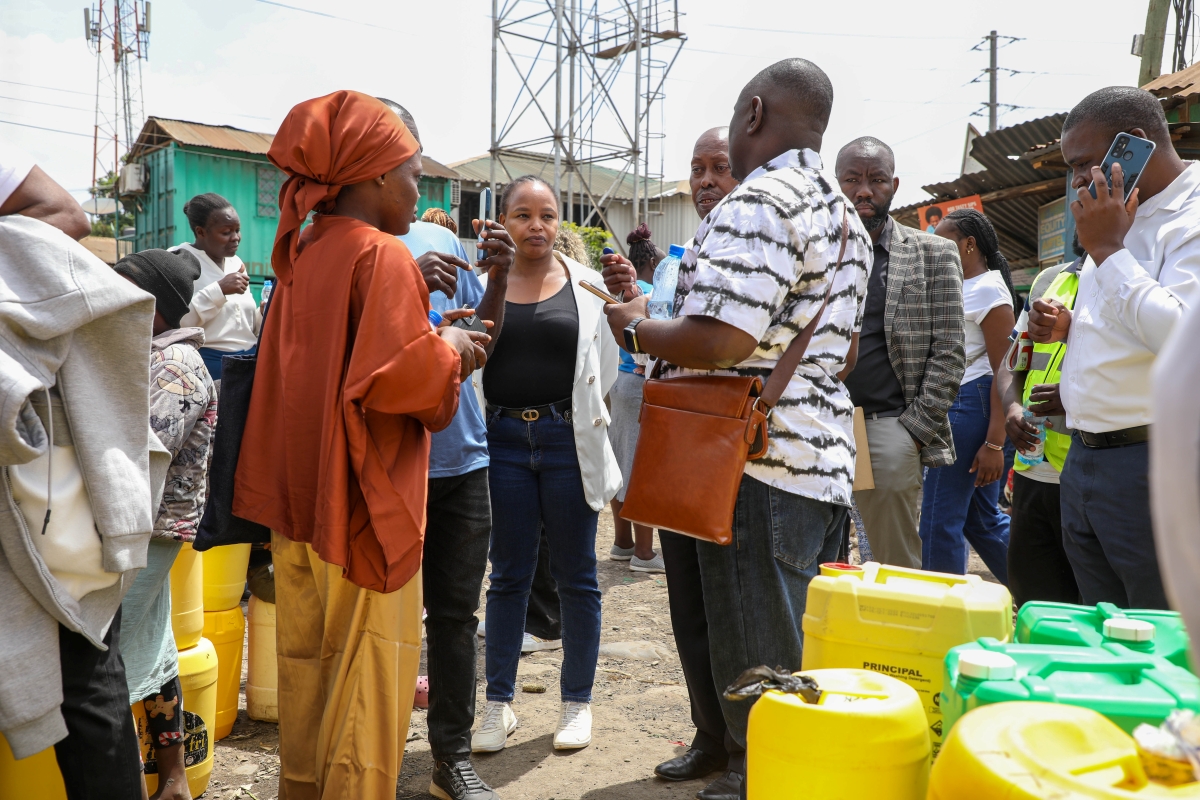
In Mukuru, we witnessed how mobilised communities are combining all of these to deliver results – one water point, one dataset, and one negotiation at a time. The approach to WASH provision there demonstrates that when communities combine technical knowledge with collective organisation and strategic political engagement, they can move from surviving the city to shaping it.
Ultimately, power is the ability of ordinary citizens to influence how the city works. This is what we want to build.
Read more:
- Nairobi to Naija: Inclusive service delivery in African cities is not a pipe dream
- From Mukuru to Okerube: Reflections from the Nairobi–Lagos WASH exchange
Listen:
Photo credits: Akiba Mashinani Trust
Note: This article presents the views of the authors featured and does not necessarily represent the views of the African Cities Research Consortium as a whole.
Grammarly was used for grammar checks and to assist with rephrasing selected sections of the first draft for clarity. This version was then reviewed and edited by the ACRC communications team, before being approved by the author.
The African Cities blog is licensed under Creative Commons Attribution-NonCommercial-NoDerivatives 4.0 International (CC BY-NC-ND 4.0), which means you are welcome to repost this content as long as you provide full credit and a link to this original post.
