Latest News + Insights
Partner Spotlight: Partnership for African Social and Governance Research (PASGR)
The Partnership for African Social and Governance Research (PASGR) is an independent, non-profit organisation based in Nairobi, working with partners across Africa and internationally to produce quality research that addresses public policy and development issues. PASGR is made up of three core programmes: research, education, and professional development and training.

Africa’s fastest growing cities
It is striking how few of the world’s fastest growing cities are also among the largest. This is also the case for Africa. But the largest cities must have been among the fastest growing cities in the past, otherwise they would not be among the largest cities today.

Partner Spotlight: UNU-WIDER
The United Nations University World Institute for Development Economics Research (UNU-WIDER) provides economic analysis and policy advice with the aim of promoting sustainable and equitable development for all. UNU-WIDER’s 2019-2023 programme focuses on the interlinked development challenges of transforming economies, states and societies, that are central to achieving the United Nations’ Sustainable Development Goals (SDGs).
Partner Spotlight: International Institute for Environment and Development (IIED)
The International Institute for Environment and Development (IIED) is a policy research institute, working for more equitable and sustainable development. Through partnerships with local organisations in cities in Africa, Asia and Latin America, IIED works to gather evidence, support advocacy, and influence key actors. IIED has four research areas: climate change, human settlements, natural resources, and shaping sustainable markets.
Partner Spotlight: ICLEI Africa
ICLEI Africa is the regional office that serves African cities, towns and regions, as part of ICLEI – Local Governments for Sustainability, a global network of more than 2,500 local and regional governments committed to sustainable urban development. Active in more than 125 countries, ICLEI influences sustainability policy and drives local action for low emission, nature-based, equitable, resilient and circular development.
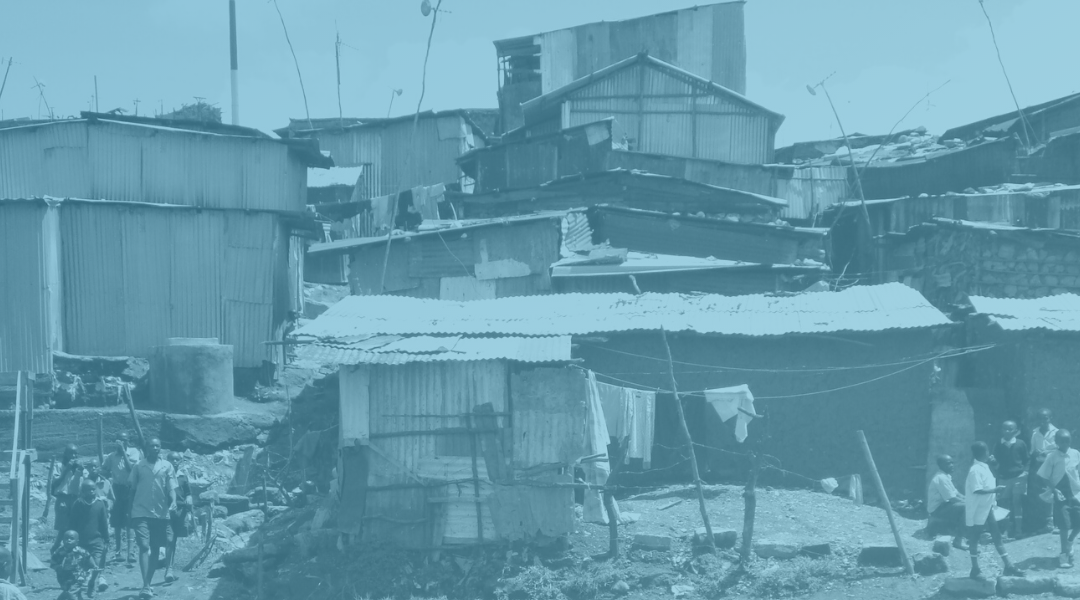
Alternative data sources for cities and communities
Following on from our previous discussion on the deficiencies in official data needed for planning and governing cities, this blog looks at how city governments and community organisations are turning to other data sources.
Partner Spotlight: International Rescue Committee (IRC)
The International Rescue Committee (IRC) is a global humanitarian aid organisation that helps people whose lives and livelihoods are impacted by conflict and disaster to survive, recover and regain control of their future. The IRC’s dedicated innovation arm – the Airbel Impact Lab – combines on-the-ground expertise with disciplines including research, human-centred design, costing analysis and behavioural insights.
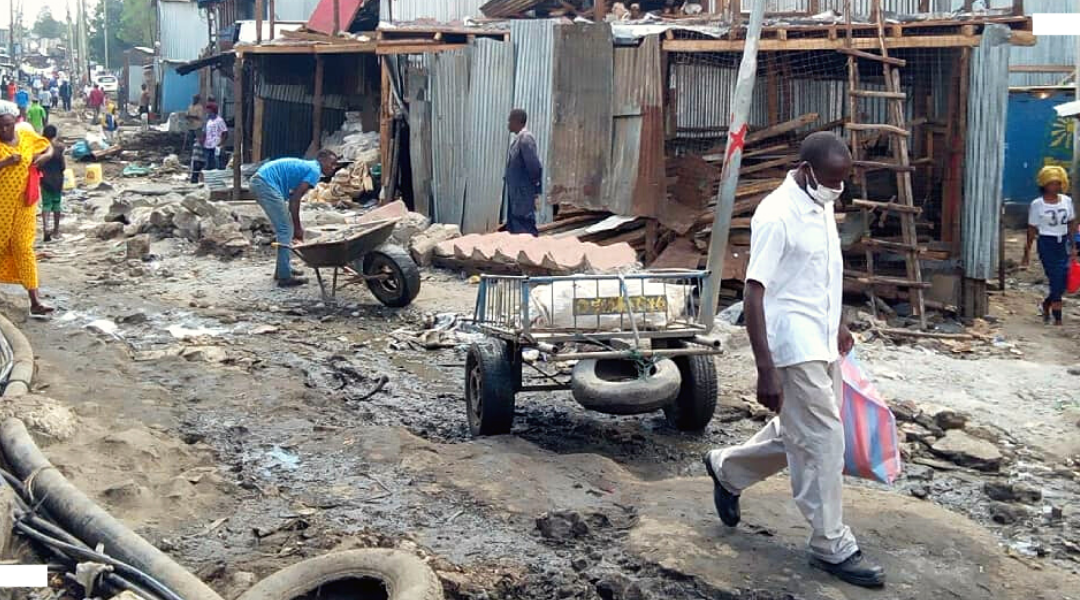
The political opportunities and obstacles associated with Africa’s urban challenges
As part of the Development Studies Association Annual Conference, the African Cities Research Consortium (ACRC) hosted a roundtable discussion exploring ‘The political opportunities and obstacles associated with Africa’s urban challenges’.
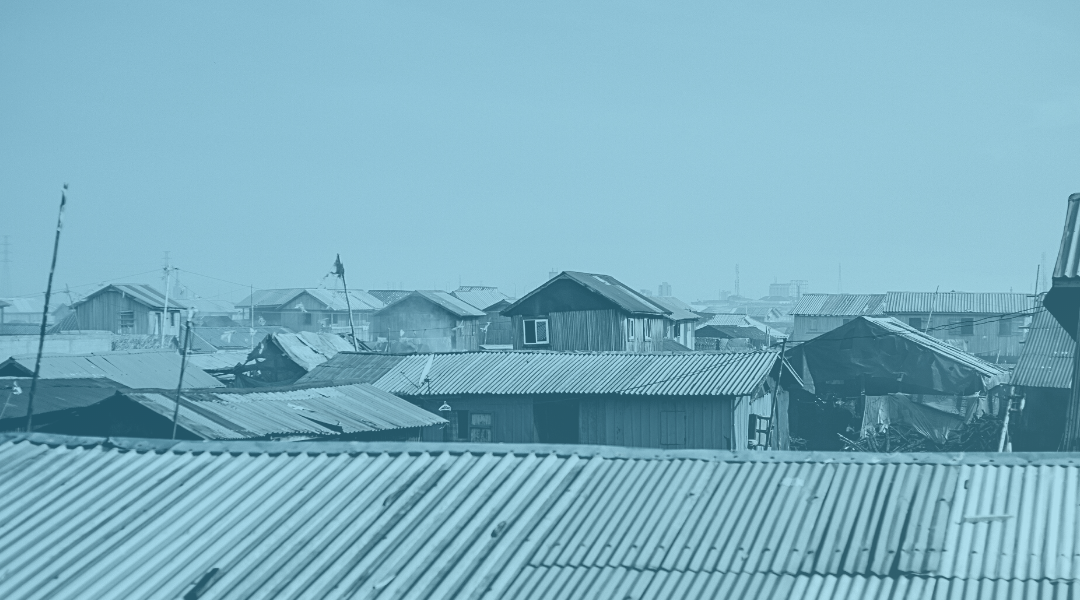
Invisibilising African cities and their populations
How do you plan, manage and govern a city with no data about most of the population, most enterprises, most workers, most housing and often most land transactions and land use changes?
Partner Spotlight: The University of Manchester
One of the world’s leading research institutions, The University of Manchester is dedicated to advancing the sustainable development goals through its research, education, public engagement and responsible campus operations. The University is the lead partner in the African Cities Research Consortium, with operations based out of the Global Development Institute (GDI), part of the School of Environment, Education and Development (SEED).
Sign up to our newsletter
Keep up to date with all the latest news and insights from the African Cities Research Consortium.