
Latest News + Insights
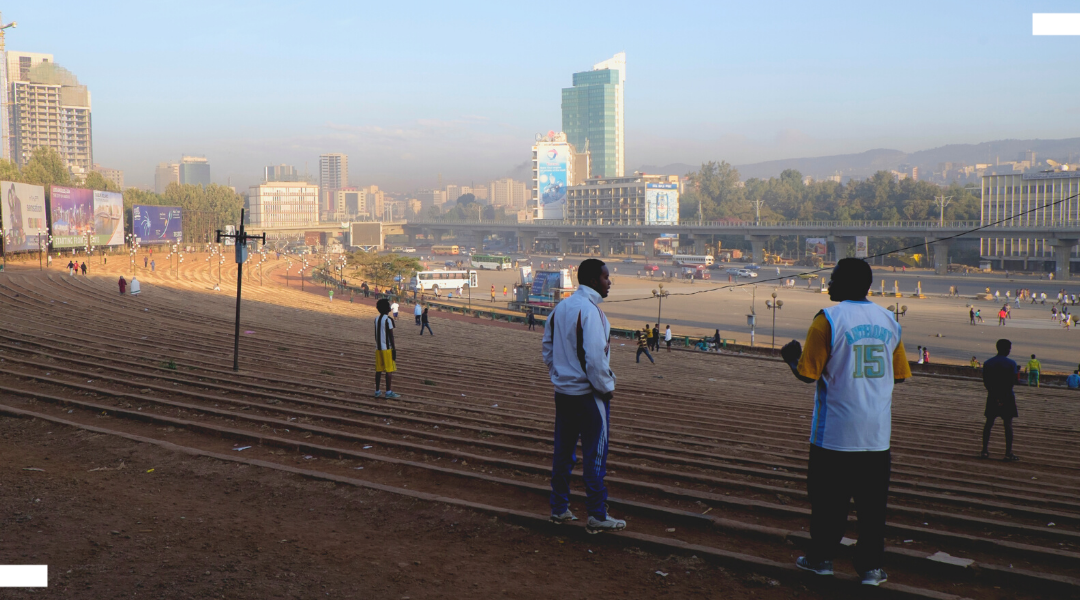
Youth empowerment and development in African cities
Young people are central to the opportunities, challenges and crises facing African cities. With 70% of sub-Saharan Africa under the age of 30, urban youth is set to play a potentially game-changing role in development outcomes across African cities in the coming decades.
Postdoc Profile: Miriam Maina
Miriam Maina talks about her background in urban planning, her interest in how towns and cities come together and the different actors involved, and why she is excited to be part of ACRC’s multisectoral community.

Urban land and connectivity
Land is a highly political and emotive issue, given its economic, social, environmental and cultural value. Campaigns for redistribution of land rights have often been central to government legitimation efforts across Africa, although these have often focused on rural land.
Breaking the cycle of housing deprivation in Freetown’s informal settlements
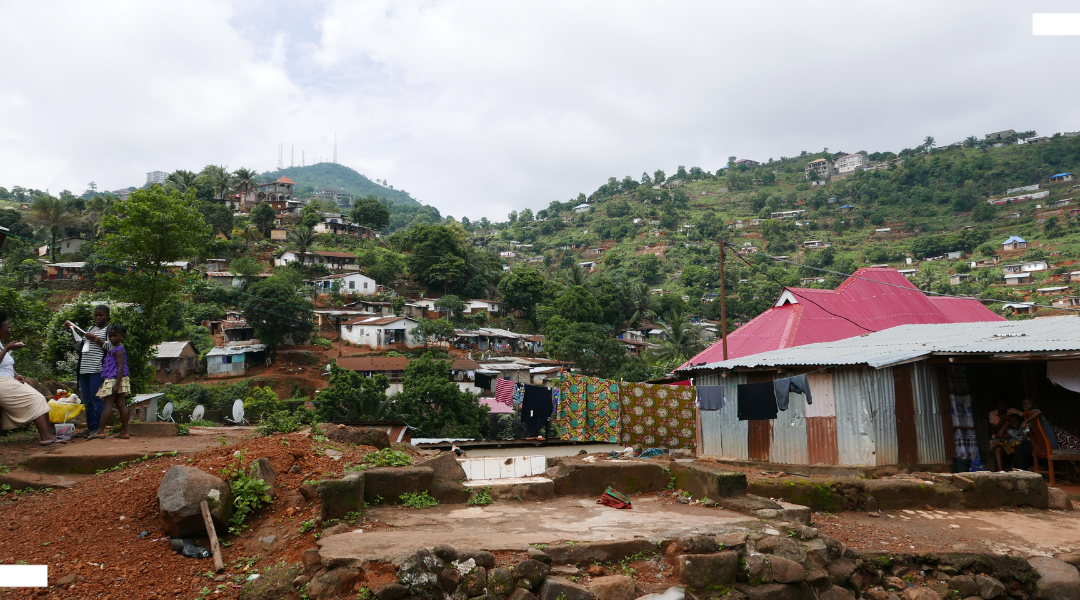
For more than 30% of Freetown households, access to housing takes place in one of its 60 informal settlements. The most likely scenario for those looking for a place to live in one of Freetown’s informal settlements is that they will end up living in a “panbody” shack, which is a small room made of zinc.
Postdoc Profile: Abdifatah Tahir
Abdifatah Tahir talks about his professional and research background, his work on urban land conflicts in Mogadishu, and why he sees critical infrastructures and management regimes as key to improving urban development in African cities.

Securing the right to adequate housing in African cities
A lack of adequate housing is one of the most prominent challenges facing urban Africa. Housing – whether in the form of informal or formal dwellings – is a basic human right, yet remains only an aspiration for most of Africa’s urban population.

Grant awarded for land value study in Kigali
We are pleased to announce that ACRC postdoc Matthew Sharp has been awarded a Young Researcher’s Grant by the International Growth Centre, worth £7,950.
Postdoc Profile: Elizabeth Dessie
Elizabeth Dessie talks about her research background, her interest in rural–urban youth migration and how people experience urban life differently, and why she is excited to be a part of ACRC.

Urban Action Lab founder Shuaib Lwasa joins ACRC
We are delighted to welcome Shuaib Lwasa, founder of the Urban Action Lab at Makerere University, to the African Cities Research Consortium’s senior management team.
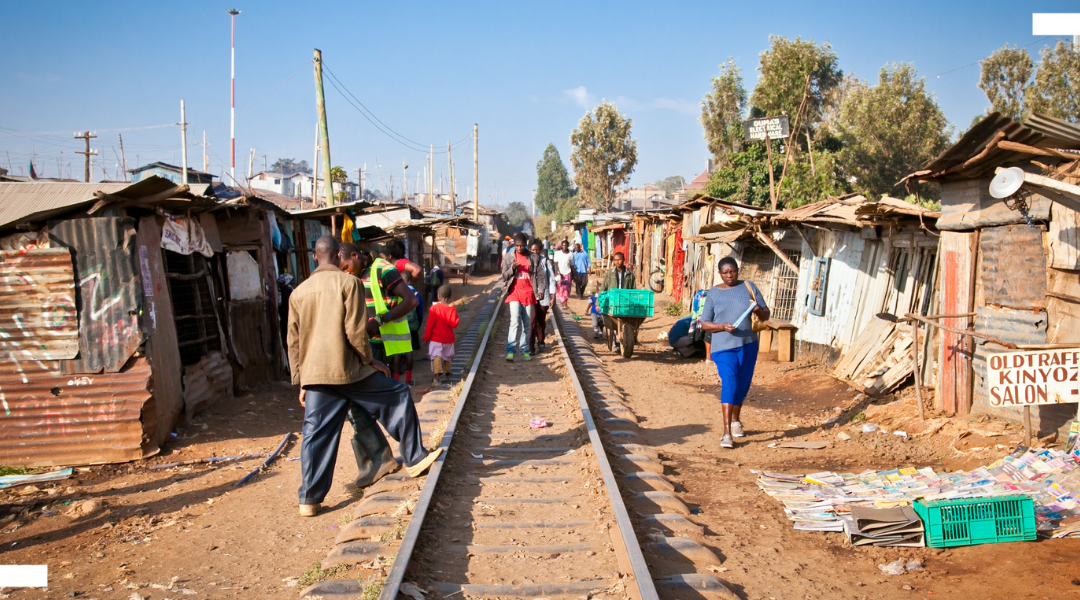
Upgrading informal settlements in African cities
In most African cities, more than half of the population live in informal settlements. Residents of such settlements often lack basic services and infrastructure, also facing unsafe housing and insecure tenure.
Sign up to our newsletter
Keep up to date with all the latest news and insights from the African Cities Research Consortium.